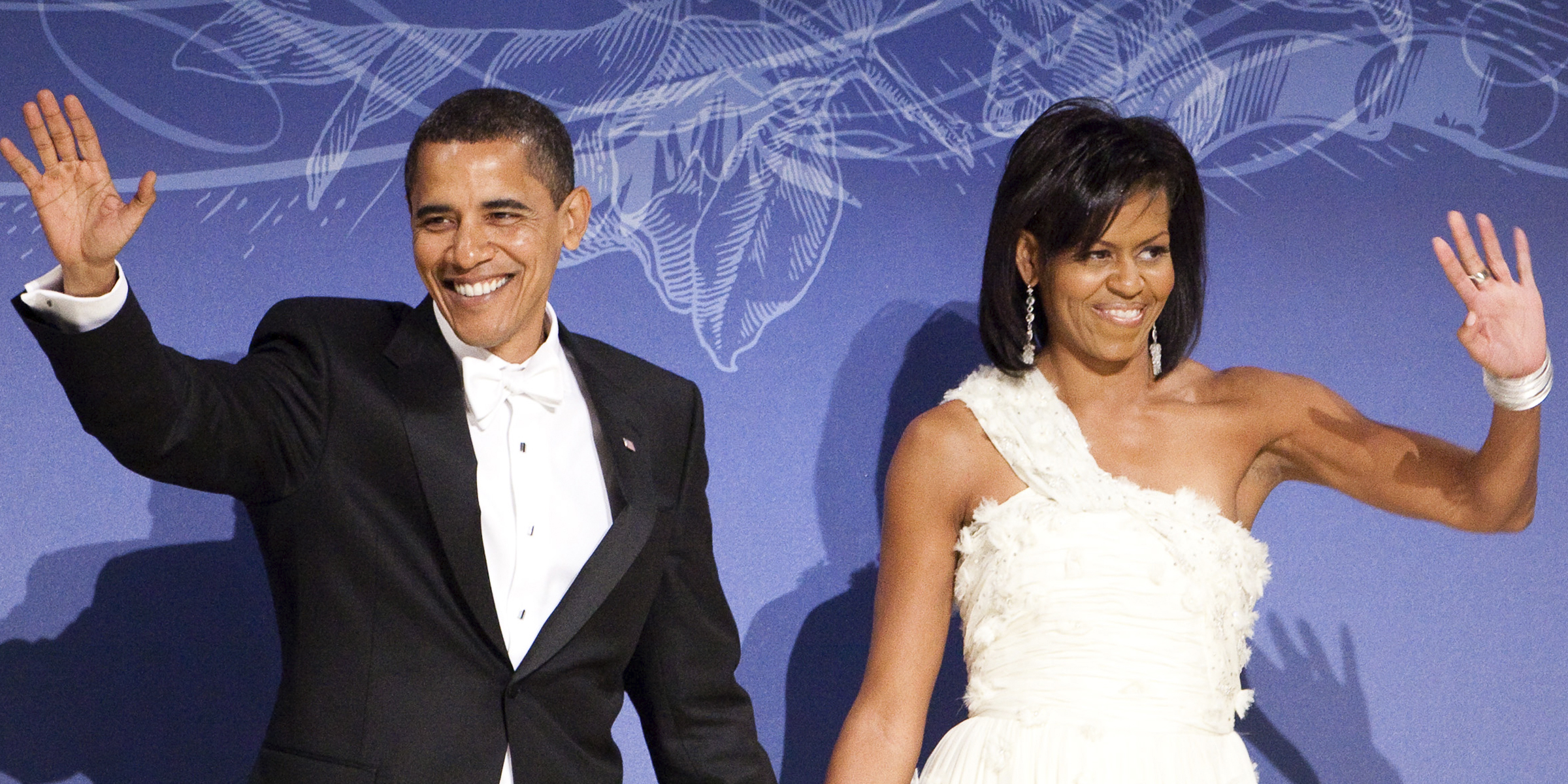
When former First Lady Michelle Obama released her memoir Becoming, she did something unexpected for a global public figure: she shattered the quiet isolation surrounding fertility struggles. Her public admission of a miscarriage and subsequent use of In Vitro Fertilization (IVF) to conceive her daughters reframed how society talks about reproductive health. This transparency created a watershed moment in modern cultural history, stripping away the shame that so often accompanies fertility roadblocks.
For decades, political figures maintained a polished, seamless facade regarding family planning. Obstacles were hidden behind closed doors, leaving the public with the impression that pregnancy and childbirth happen effortlessly for everyone. By admitting that her body felt like it had failed her, Michelle Obama gave millions of people permission to acknowledge their own grief. Her journey wasn't just a personal hurdle; it exposed a massive gap in public health education and emotional support systems.
The Reality of the Biological Clock
One of the most striking elements of Michelle Obama's disclosure was her frank discussion about the biological clock. She noted that she was 34 and 35 years old when she realized natural conception was not working the way she expected. In her book, she pointed out a fundamental truth that many young adults fail to realize: egg production is finite, and biology does not always bend to career timelines.
Many professionals prioritize building stable careers before starting families, often assuming modern medicine can completely bypass biological limits at any age. When reality hits, the shock can be devastating. Michelle Obama highlighted this pressure, explaining how easy it is to feel blindsided when natural conception fails. For another angle on this development, see the recent coverage from Reuters.
- The Expectation Trap: Society teaches women to plan their education and careers meticulously, but reproductive biology rarely follows a neat schedule.
- The Silent Struggle: Couples often isolate themselves during fertility treatments, fearing social judgment or professional fallout.
- The Turning Point: Acknowledging limits forces a shift from passive waiting to proactive medical intervention.
Breaking the Stigma of Miscarriage
Before Michelle Obama spoke out, pregnancy loss was treated as a private sorrow to be endured behind closed curtains. People rarely talked about how common miscarriages actually are, which meant individuals experiencing losses usually assumed they were unique anomalies.
When someone prominent shares that they sat in the pain of a lost pregnancy, the cultural dialogue changes. It challenges the toxic narrative that a miscarriage is a personal failure rather than a common medical occurrence. According to data from the American College of Obstetricians and Gynecologists, known miscarriages occur in about 10 to 20 percent of recognized pregnancies. Yet, the emotional weight often leaves survivors feeling entirely isolated.
By detailing her own experience, Michelle Obama showed that grief respects neither status nor power. Her words dismantled the myth that privilege shields anyone from biological heartache.
The Decision to Turn to IVF
When natural attempts fell short, the Obamas chose to utilize IVF to conceive Malia and Sasha. At the time they underwent the procedure, fertility treatments carried an even heavier social stigma than they do today. Choosing IVF meant navigating a complex maze of physical discomfort, financial strain, and emotional uncertainty.
IVF is not a guaranteed quick fix; it is a demanding medical process involving hormone injections, egg retrieval, fertilization in a laboratory setting, and embryo transfer. For many, the two-week wait between transfer and pregnancy test results is an exercise in intense anxiety. By openly admitting that she needed a medical assist to start her family, Michelle Obama normalized fertility clinics as a standard pathway to parenthood rather than a taboo last resort.
For more details on reproductive health and family planning resources, visit the Office on Women's Health.
Why This Moment Reshaped Modern History
The cultural impact of these revelations extends far beyond celebrity gossip. It altered public discourse in three distinct ways:
- Policy and Workplace Conversations: Greater openness about IVF and fertility treatments has trickled into corporate wellness policies, with more companies beginning to offer fertility benefits.
- Medical Advocacy: Patients are now more likely to advocate for themselves earlier, asking doctors about ovarian reserve testing and reproductive options before time runs out.
- Cultural Empathy: Public figures discussing their medical vulnerabilities help dismantle the unrealistic perfection demanded of political spouses and leaders.
History is often measured by legislation passed, economic shifts, or geopolitical treaties. However, cultural milestones matter just as much because they change how humans treat one another. By sharing her private pain, Michelle Obama created a permanent shift in how society views reproductive health.
Frequently Asked Questions
Did Michelle Obama write about her fertility struggles in Becoming?
Yes. In her 2018 memoir Becoming, she dedicated sections to discussing her miscarriage, her realization about the limits of the biological clock, and her use of IVF to conceive both of her daughters.
Why did her disclosure have such a large impact?
As a former First Lady and a universally recognized public figure, her willingness to discuss failure, grief, and medical intervention broke decades of political and cultural silence, making millions of people feel less alone in their own struggles.
What is IVF and why is it used?
In Vitro Fertilization is an assisted reproductive technology where eggs are retrieved from ovaries and fertilized with sperm in a laboratory. It is frequently used by individuals facing blocked fallopian tubes, male factor infertility, age-related fertility decline, or unexplained reproductive roadblocks.
How common is pregnancy loss?
Medical data shows that roughly 10 to 20 percent of known pregnancies end in miscarriage, though the actual number is likely higher due to early losses that occur before a pregnancy is officially recognized.



