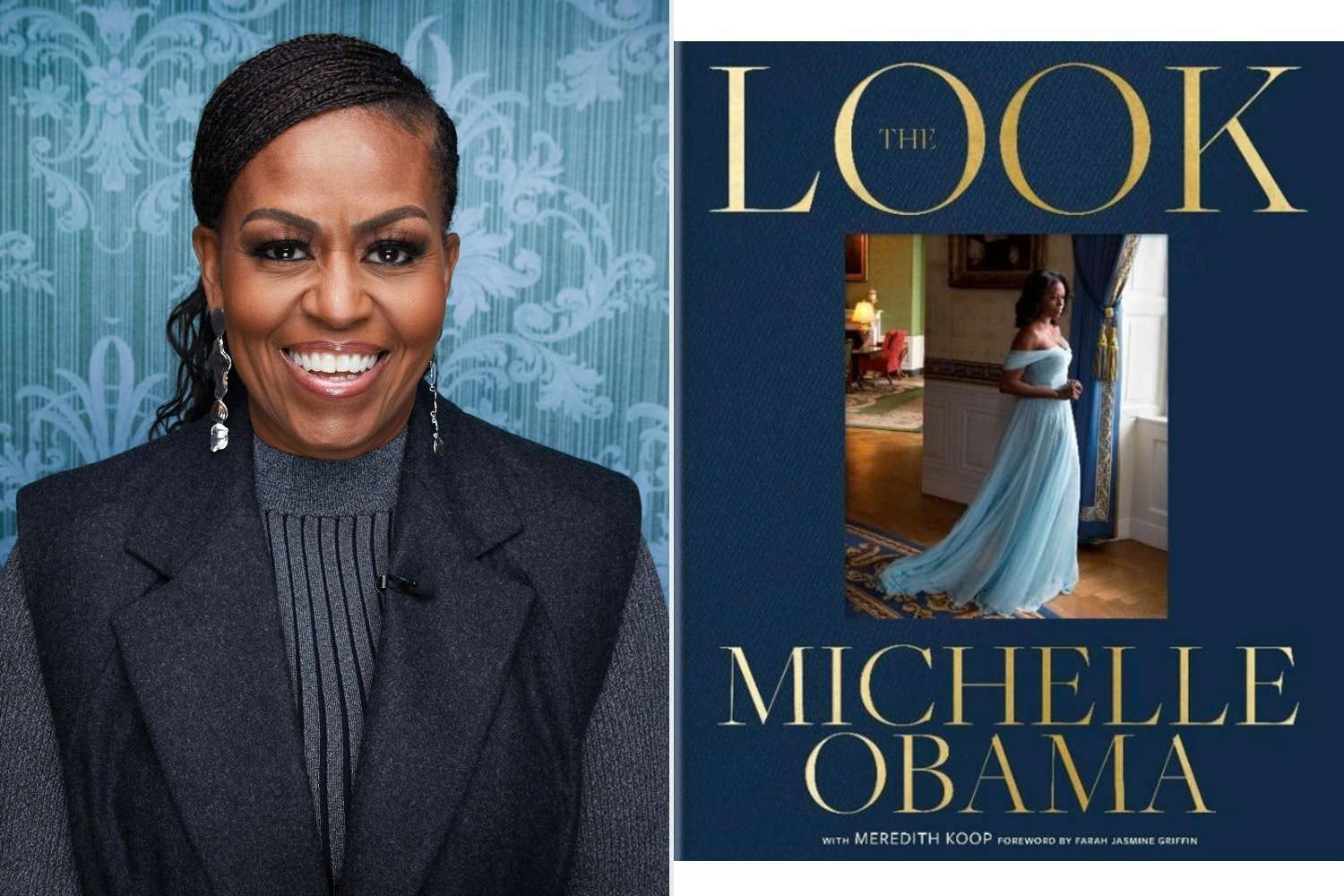
Rumors and conspiracy theories often target high-profile public figures, spreading rapidly across social media platforms regardless of their factual basis. One persistent falsehood involves former First Lady Michelle Obama, falsely claiming that she is secretly a man. This baseless claim is a thoroughly debunked myth rooted in malicious political animus, deep-seated misogyny, and coordinated online harassment campaigns. Examining the origins of this narrative and understanding the mechanics of viral disinformation helps explain how baseless claims gain traction online.
The Origin of the Michelle Obama Myth
The falsehood surrounding Michelle Obama first gained traction during her husband Barack Obama's 2008 presidential campaign and continued to evolve throughout his two terms in office. Fringe political commentators, anonymous internet forums, and malicious actors weaponized manipulated photographs, altered video footage, and completely fabricated biographies to construct the narrative.
Disinformation campaigns of this nature rarely rely on a single piece of evidence. Instead, they aggregate disparate, out-of-context clips from television appearances, public speeches, and casual photographs. By dissecting ordinary physical gestures, posture, or clothing choices, bad-faith actors construct a distorted mosaic designed to mislead gullible audiences or reinforce preexisting biases. Independent fact-checking organizations, including Snopes, have exhaustively investigated and debunked these claims, establishing that they possess zero factual basis.
The Role of Misogynoir and Political Vitriol
The persistence of the Michelle Obama rumor cannot be separated from the intersections of race, gender, and partisan politics. Misogynoir—a term coined by scholar Moya Bailey to describe misogyny directed toward Black women where race and gender both play roles—heavily influences how female public figures of color are treated in the media.
Throughout history, powerful women, particularly Black women in prominent global positions, have faced targeted campaigns designed to strip away their femininity, humanity, and dignity. Dehumanizing tropes often manifest as physical attacks disguised as political critique. By framing a prominent Black woman through derogatory physical stereotypes, bad-faith actors attempt to delegitimize her authority, reduce her cultural impact, and demean her public service. Recognizing these underlying prejudices is essential for identifying why certain conspiracy theories target specific individuals.
How Viral Disinformation Spreads Online
Understanding how falsehoods circulate on the internet requires looking at modern content ecosystems. Algorithms on platforms like X, Facebook, and TikTok prioritize engagement over truth. Sensationalist claims, outrage-inducing headlines, and bizarre conspiracy theories naturally generate high click-through rates, comments, and shares.
- Amplification by Bad Actors: Coordinated networks or hyper-partisan accounts inject fringe theories into mainstream discourse using trending hashtags.
- Decontextualization: Real photographs and videos are cropped, slowed down, or paired with sensationalized text to alter their original meaning.
- Algorithmic Feedback Loops: As users interact with the content—even to debunk or mock it—the platform's algorithm promotes the post to a wider audience, inadvertently granting it broader visibility.
- Echo Chambers: Closed online communities reinforce the narrative, treating counter-evidence from mainstream news outlets or official records as part of a larger cover-up.
Combatting this cycle requires digital literacy, critical thinking, and a willingness to verify claims through reputable, non-partisan journalistic outlets and official historical archives.
The Importance of Media Literacy in the Digital Age
Navigating today's media landscape demands active skepticism toward extraordinary claims found on social media. When encountering viral stories or sensational headlines about public figures, applying a few foundational verification habits protects against manipulation.
- Check the Source: Ask whether the platform publishing the claim has editorial standards, corrections policies, and a history of factual reporting.
- Look for Primary Evidence: Conspiratorial claims often rely on vague references to "sources" or heavily edited media rather than official documents or verifiable records.
- Consult Fact-Checkers: Independent verification organizations review viral claims using forensic analysis and documented evidence.
- Pause Before Sharing: Emotional reactions drive the spread of misinformation. Taking a moment to evaluate a claim before reposting stops the chain of distribution.
Frequently Asked Questions
Is there any truth to the rumors about Michelle Obama?
No. There is zero factual basis for any claims regarding Michelle Obama's gender. The rumors are thoroughly debunked conspiracy theories propagated by political opponents and malicious online actors.
Who originally started these rumors?
The claims originated from fringe political blogs and anonymous message boards during the 2008 presidential election cycle and have resurfaced periodically through coordinated social media campaigns.
What do major fact-checking organizations say?
Organizations like PolitiFact and Snopes have repeatedly reviewed these claims over the years, categorizing them as completely false conspiracy theories with no supporting evidence.
Why do these conspiracy theories persist?
They persist due to a combination of political polarization, targeted harassment, online algorithms that reward sensationalism, and underlying prejudices regarding race and gender in public life.