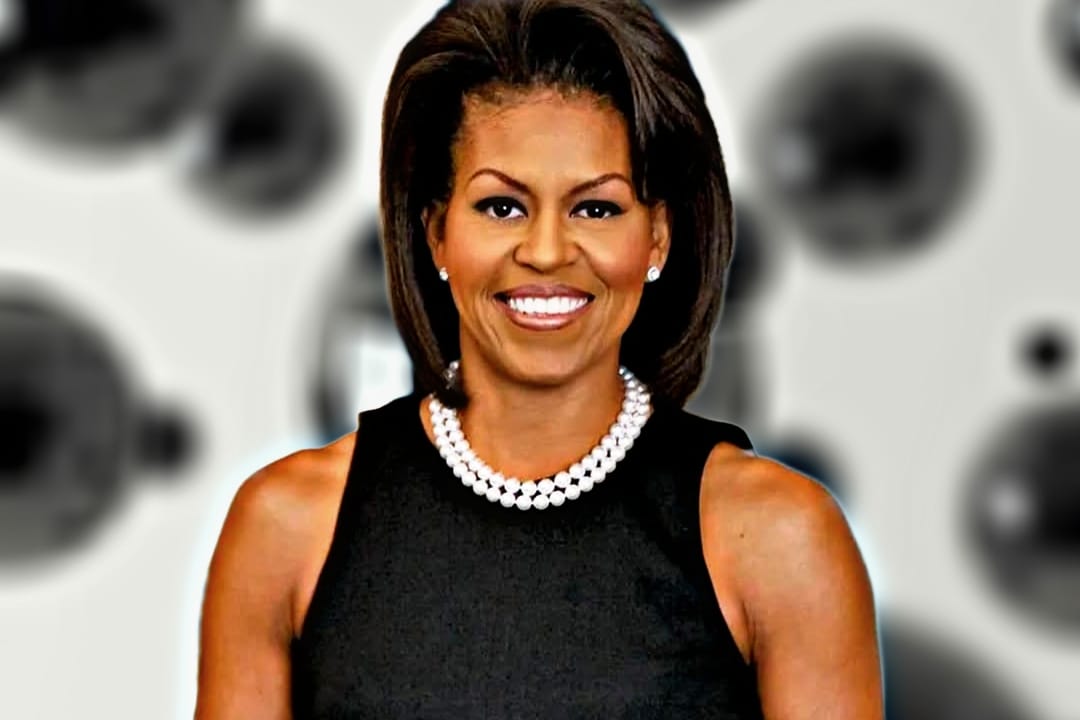
Growing up on the South Side of Chicago during the 1960s and 1970s, Michelle LaVaughn Robinson didn't have wealth or political connections. She shared a cramped second-floor apartment on Euclid Avenue with her parents, Fraser and Marian Robinson, and her older brother, Craig. Her father worked long hours as a pump operator at a city water plant despite battling multiple sclerosis, while her mother managed the household and later worked as a secretary. This tight-knit working-class environment forged the resilience that later defined her public life.
Long before she entered the White House, Michelle's daily reality was shaped by a neighborhood in transition, rigorous public education, and a family culture that prized academics and discipline above all else. Her story isn't just about reaching Princeton and Harvard; it's about the everyday habits, community expectations, and sibling rivalry that built her character on the South Side long before the world knew her name.
The Robinson Household on Euclid Avenue
Life in the Robinson bungalow revolved around a shared second-floor apartment rented from her great-aunt Robbie. Space was tight. Craig and Michelle shared a living room partitioned by a makeshift wooden room divider. Yet, what the home lacked in square footage, it made up for in structure and emotional security.
Fraser Robinson was a quiet anchor who rarely complained about his multiple sclerosis, walking with crutches and braces without letting his physical pain disrupt his work ethic. Marian Robinson set strict rules, checked homework obsessively, and taught her children to read before they entered kindergarten.
- Early Literacy: Marian walked Michelle to the local branch of the Chicago Public Library every week, letting her check out stacks of books well beyond her grade level.
- Family Dinners: Every evening began with the family sitting down together, a ritual where Fraser and Marian discussed local politics, news, and ethics with their children as if they were adults.
- Independence: Rather than hovering, her parents gave Michelle and Craig the freedom to navigate public transit and explore their neighborhood independently, fostering early self-reliance.
Navigating Chicago's Changing Neighborhoods
During Michelle's childhood, South Shore was transitioning from a predominantly white neighborhood to a vibrant Black middle-class community, followed by economic shifts that many families had to navigate. The Robinsons stayed put while many neighbors left, teaching Michelle early lessons about community loyalty and staying grounded amid shifting surroundings.
Public schools offered her a path forward. She attended Whitney M. Young Magnet High School, enduring a grueling daily commute involving two buses and a train just to reach the West Side campus. Whitney Young was one of Chicago's first magnet schools, drawing ambitious students from across the city.
Inside those classrooms, Michelle encountered peers from diverse backgrounds who challenged her intellect. She didn't coast on natural talent; she spent hours studying in the library, joined the debate team, and participated in student government. This demanding routine hardened her against intimidation and taught her how to hold her own in competitive academic circles.
Sibling Dynamics and the Competitive Edge
Much of Michelle's drive came from her close relationship with her older brother, Craig. Two years her senior, Craig was a star student and a phenomenal basketball player. For Michelle, watching Craig excel meant she always had a high bar to clear.
Their parents refused to grade on a curve for either child. If Craig got an A, Michelle was expected to do the same. They spent hours playing board games, competing in the backyard, and pushing each other intellectually. When Craig went off to Princeton University, he proved that kids from their South Side block could compete at elite ivy-league institutions, clearing a psychological hurdle that made Michelle's own journey to Princeton feel attainable.
You can read more about her brother's athletic and professional journey through historical accounts archived by Princeton University Athletics.
Daily Life, Chores, and Cultural Roots
Childhood on Euclid Avenue wasn't all textbooks and serious lectures. The Robinsons loved music, card games, and family gatherings. Fraser played jazz records on weekends, filling the small apartment with sound, while Marian kept everyone grounded with dry humor and practical wisdom.
Chores were non-negotiable. Michelle and Craig washed dishes, cleaned the shared living space, and learned to manage their time between schoolwork and extracurriculars. This domestic discipline translated directly into her adult professional habits.
- Jazz and Blues: Music served as a cultural anchor, connecting the children to Chicago's rich musical heritage.
- Community Ties: Neighbors looked out for one another, creating an extended village where bad behavior on the street reported back to Marian Robinson within minutes.
- Self-Defense and Sports: Despite her academic focus, sports and physical activity were constants, largely driven by her athletic brother and neighborhood games.
Frequently Asked Questions
When and where was Michelle Obama born?
She was born Michelle LaVaughn Robinson on January 17, 1964, in Chicago, Illinois, and spent her entire childhood and adolescence living on the city's South Side.
Did Michelle Obama attend public schools as a kid?
Yes. She attended local elementary schools on the South Side before testing into Whitney M. Young Magnet High School, a selective public high school on Chicago's West Side.
How did her parents influence her career?
Her father's dedication as a city pump operator despite his illness taught her perseverance, while her mother's emphasis on reading, manners, and academic discipline laid the foundation for her success at Princeton and Harvard Law School. Detailed biographical records of American first families can be explored via the National Archives.
What challenges did she face during her youth?
While her family provided a loving and stable home, they lived on a modest income, and she witnessed firsthand the economic and social strains affecting urban neighborhoods in Chicago during the 1970s.


