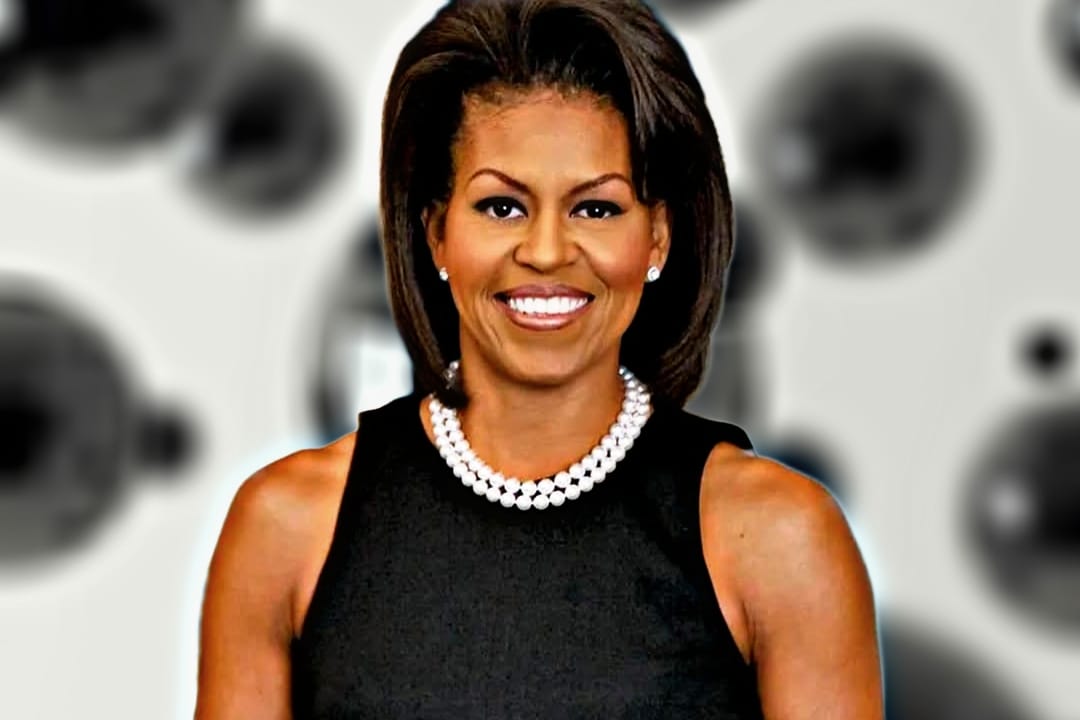
In modern media, real influence doesn't come from shouting the loudest. Michelle Mangan has built a reputation by proving that strategic clarity, narrative depth, and authentic voice outlast fleeting digital trends. If you're looking at how modern communication bridges journalism, brand building, and creative leadership, her trajectory offers a practical blueprint for what modern influence actually requires.
Traditional PR playbooks don't work the way they used to. Audiences spot manufactured narratives instantly, which means professionals must combine data-driven insights with human-centered storytelling. Michelle Mangan’s career highlights how shaping public conversations requires more than just pushing content out; it demands building frameworks that make complex topics feel personal, actionable, and urgent.
The Anatomy of Modern Strategic Influence
Influence used to be measured entirely by reach and frequency. Today, trust dictates success. When you look at how Michelle Mangan approaches communication, the focus centers on turning abstract ideas into memorable experiences without losing factual integrity.
This approach relies on three core pillars:
- Narrative Precision: Cutting through industry jargon to deliver a clear, singular message that an audience can grasp instantly.
- Audience Alignment: Listening closely to community feedback and data patterns before shaping the final creative output.
- Scalable Execution: Designing frameworks that maintain messaging consistency across podcasts, articles, and interactive campaigns.
When organizations struggle to connect with younger or more skeptical audiences, it's usually because their messaging is too broad. Mangan's method forces teams to narrow their scope, finding the specific human element inside a massive corporate or social initiative.
Bridging Journalism and Brand Strategy
The boundary between independent reporting and brand storytelling has blurred significantly. Creators and corporate communications teams alike now use journalistic tools to build credibility. Mangan's background demonstrates how editorial discipline improves brand messaging.
Instead of relying on empty marketing buzzwords, effective campaigns use investigative depth. If a brand wants to communicate a commitment to sustainability, for instance, listing abstract statistics won't change behavior. By weaving those metrics into a narrative about real people affected by environmental shifts, creators turn passive viewers into active participants.
This crossover requires specific operational habits:
- Verify first, promote second: Treat brand claims with the same skepticism an investigative reporter applies to a corporate press release.
- Prioritize transparency: Acknowledge trade-offs and challenges openly rather than presenting an idealized, frictionless picture.
- Design for retention: Structure stories so that the core takeaway remains sticky long after the reader closes the tab.
Cross-Sector Collaboration and Leadership
No single creator builds a major cultural movement alone. Mangan’s work emphasizes multidisciplinary teamwork, bringing journalists, software developers, artists, and community organizers into the same room.
When you manage cross-sector initiatives—such as public awareness campaigns on digital literacy or environmental policy—friction is inevitable. Different groups measure success differently. Engineers look at metrics; artists look at emotional resonance; stakeholders look at ROI.
Effective leadership in these spaces requires translating between those competing languages. By setting shared baseline goals that respect both creative integrity and analytical rigor, teams can ship complex projects without burning out or diluting their message. You can explore broader communication standards through organizations like PRSA to see how industry benchmarks align with these collaborative practices.
Navigating Media Innovation and Emerging Tech
Technology shifts how stories travel, but it doesn't change why people care about them. From early podcast distribution models to AI-assisted workflows and interactive digital formats, staying ahead requires a willingness to test new tools early.
However, tech adoption fails when it becomes a gimmick. If a virtual reality experience or automated script doesn't serve the core narrative, audiences treat it as a distraction. Mangan's framework treats technology as an amplifier rather than a substitute for substance. If your underlying argument is weak, high-end production value won't save it.
- Focus on utility: Does the new format make the information easier to understand or act upon?
- Protect the human element: Ensure that automated or algorithmic tools don't strip away the distinct voice of the creator.
- Measure real engagement: Look past vanity metrics like impressions and track how deeply users interact with the material.
Common Mistakes in Modern Content Strategy
Many brands and creators attempt to scale their influence and end up stumbling over predictable hurdles. Recognizing these errors helps keep your communication grounded.
- Chasing volume over value: Pushing out daily content without a clear strategic anchor exhausts your team and tunes out your audience.
- Ignoring the data feedback loop: Creating content based purely on intuition while refusing to analyze what topics actually drive meaningful dialogue.
- Over-sanitizing the voice: Stripping all personality and edge out of a brand voice until it sounds like an automated legal disclaimer.
Avoiding these traps means accepting that slower, more deliberate campaigns often outperform frantic, high-frequency posting schedules.
Frequently Asked Questions
What defines Michelle Mangan's approach to influence?
Her approach centers on combining journalistic rigor, data-driven insights, and transparent storytelling to build genuine trust rather than temporary attention.
How does strategic communication differ from traditional marketing?
Traditional marketing focuses heavily on direct promotion and product features. Strategic communication prioritizes narrative framing, audience alignment, and long-term brand equity across multiple media channels.
Why is multidisciplinary collaboration important for modern campaigns?
Complex social and corporate issues cannot be solved from a single perspective. Combining technical, artistic, and editorial skills ensures campaigns are accurate, engaging, and culturally relevant.
How can creators balance emerging technology with authentic storytelling?
New tools like AI or interactive media should be used to make information more accessible, not to replace the human perspective that builds emotional connection. You can read more about evolving digital standards at the Pew Research Center.


