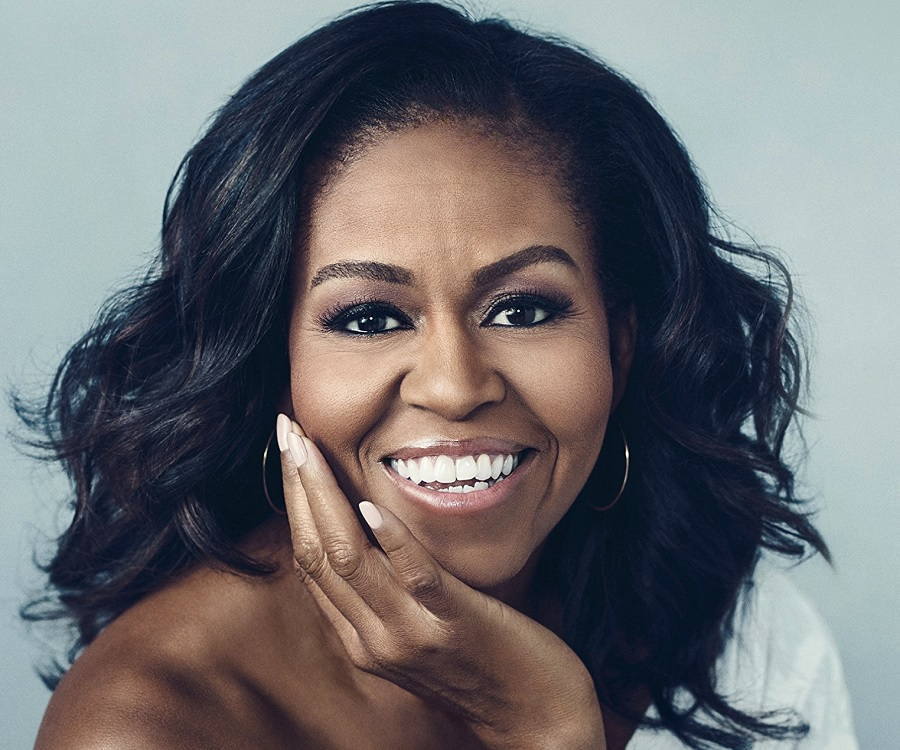
Michelle Buteau's ethnic identity and multicultural heritage form the bedrock of her trailblazing career in comedy, television, and film. Born in New Jersey to a Haitian father and a Jamaican mother, Buteau navigates her intersecting Caribbean-American roots to fuel her sharp, socially conscious humor. Rather than letting industry typecasting sideline her, she turns her background and lived experiences into a masterclass in creative resilience.
Roots in New Jersey: The Caribbean-American Upbringing
Growing up in a traditional Caribbean household in New Jersey gave Buteau a unique lens on American culture. Her father immigrated from Haiti and her mother from Jamaica, instilling a dual heritage shaped by strict cultural expectations, vibrant traditions, and immigrant perseverance.
This upbringing wasn't always an easy fit within mainstream media landscapes that rarely featured multi-ethnic Caribbean perspectives. Buteau often draws on the contrast between her strict immigrant household and the realities of growing up in America. These early cultural tensions laid the groundwork for her comedic voice, teaching her to observe social norms with skepticism and humor.
- Haitian and Jamaican Heritage: Balancing two distinct Caribbean cultures shaped her perspective on identity.
- Immigrant Work Ethic: Her household emphasized traditional stability, which initially pushed her toward television production before she shifted to comedy.
- Cultural Code-Switching: Navigating multiple worlds allowed her to develop acute observational skills that later defined her stand-up sets.
The Long Road to Stand-Up Breakthrough
Before headlining comedy specials and leading television series, Buteau spent years working behind the scenes in New York City newsrooms. Transitioning into stand-up comedy in 2001 meant entering an industry that was largely hostile to women of color, let alone those who didn't fit narrow body standards or stylistic templates.
For over a decade, she ground out late-night sets, toured independent clubs, and took small television guest spots. This period tested her resilience. Instead of softening her persona to appeal to mainstream gatekeepers, she leaned further into her authentic identity, using humor to address race, body politics, and dating. Her breakout didn't happen overnight; it was built through relentless touring and sharp self-advocacy.
Redefining Representation in Film and Television
Buteau's career pivot from struggling stand-up to mainstream multi-hyphenate accelerated significantly in the late 2010s. Her performances in films like Always Be My Maybe (2019) and her hosting role on Netflix's reality hit The Circle introduced her to global audiences.
Crucially, she didn't just accept supporting "best friend" roles that lacked depth. She used her platform to demand multi-dimensional representation. This trajectory culminated in her Netflix series Survival of the Thickest, which she created, executive produced, and starred in. The show mirrors her real-world ethos: unapologetic, culturally rich, and centered on women who defy industry stereotypes.
Key Career Milestones
- 2017: Named one of the top ten comedians to watch by Esquire.
- 2018: Launched her acclaimed podcast Late Night Whenever!
- 2021: Won a Critics' Choice Television Award for her stand-up special Welcome to Buteaupia.
- 2023: Premiered Survival of the Thickest, bringing her distinct voice to a leading scripted vehicle.
Navigating Identity, Motherhood, and Body Positivity
A core element of Buteau's public resonance is her refusal to separate her ethnic identity from her identity as a Black woman, a plus-size creator, and a mother. When she and her Dutch husband, Gijs van der Most, welcomed twins via surrogacy in 2019, she spoke candidly about fertility struggles within communities of color.
Mainstream media often treats diversity as a monolith, but Buteau highlights the nuances of Caribbean-American family dynamics, interracial marriage, and navigating the entertainment industry at the intersection of multiple marginalized identities. Her transparency dismantles the pressure on public figures to present a sanitized version of success.
Common Misconceptions About Multicultural Resilience
When analyzing the success of trailblazing artists, commentators often lean into surface-level tropes. Avoiding these traps provides a clearer picture of how systemic change actually happens in media.
- Misconception: Success is an overnight accident. Buteau worked in comedy and television for nearly two decades before achieving household-name status. Her resilience was forged through sustained, unglamorous persistence.
- Misconception: Representation requires checking a single box. Buteau demonstrates that identity is intersectional. Her work addresses Caribbean heritage, body autonomy, and motherhood simultaneously rather than treating them as separate categories.
- Misconception: Resilience means ignoring adversity. Rather than pretending barriers don't exist, Buteau uses her platform to explicitly critique industry roadblocks while building alternative pathways for diverse talent.
Frequently Asked Questions
What is Michelle Buteau's ethnic background?
Michelle Buteau is of Caribbean descent. Her mother is from Jamaica and her father is from Haiti, making her a first-generation Haitian-Jamaican-American born and raised in New Jersey.
How did Michelle Buteau get her start in entertainment?
She originally worked behind the scenes as a television news producer in New York City after attending Florida International University. Encouraged by colleagues who noticed her quick wit, she began performing stand-up comedy in 2001.
What inspired the creation of Survival of the Thickest?
The Netflix series is based on Buteau's own collection of personal essays sharing the same title. It draws heavily on her life experiences navigating dating, career pivots, and body positivity in New York City as a plus-size Black woman.
How has multicultural resilience influenced her comedic style?
Growing up between a traditional Caribbean household and broader American culture gave Buteau a dual perspective. This background allows her to critique societal hypocrisy and cultural expectations with sharp, relatable humor that bridges diverse audiences.



