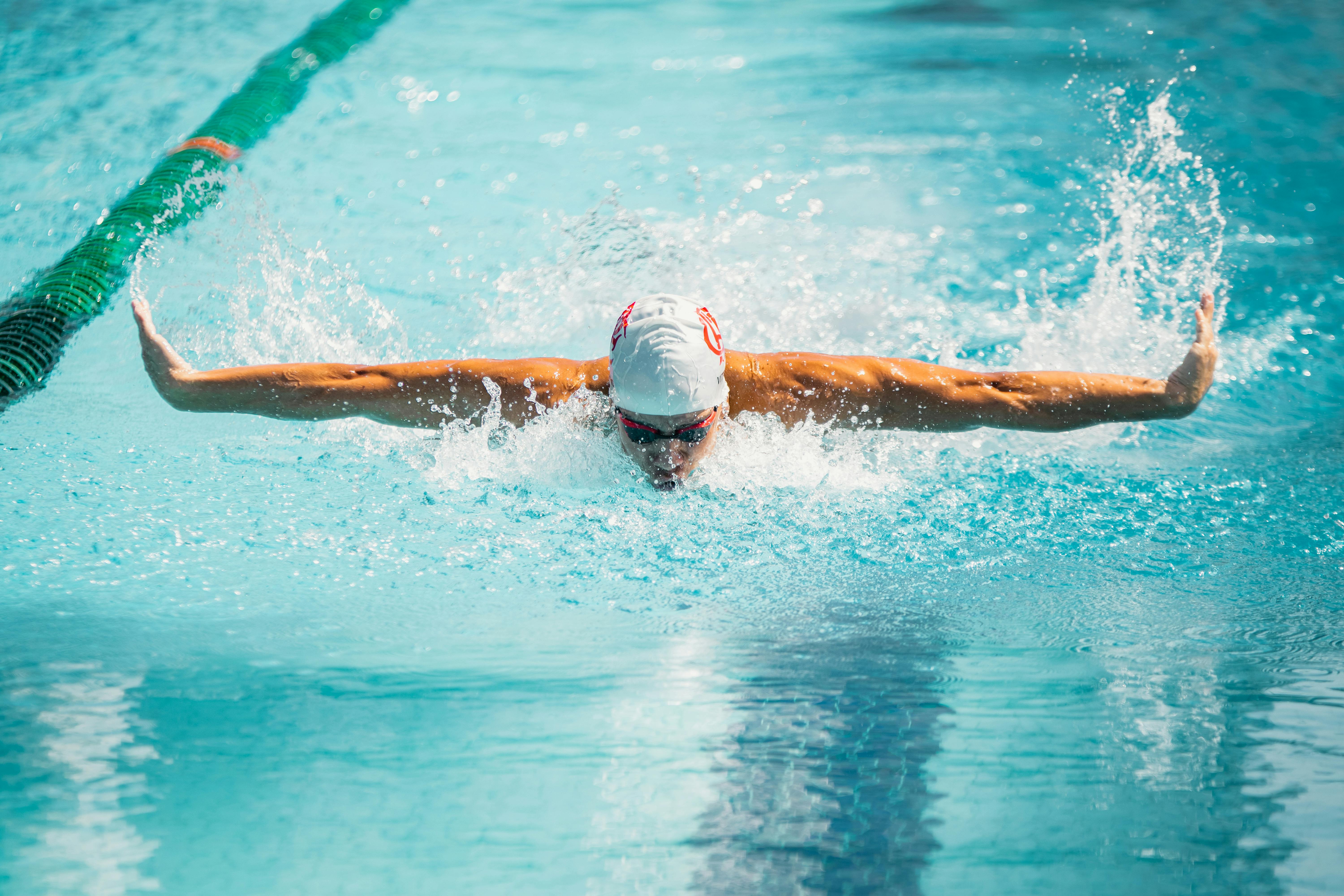
When Michael Phelps followed his longtime coach Bob Bowman to the University of Michigan in 2004, he didn't swim for a standard collegiate team squad. Instead, he trained as a professional athlete while studying sports management, turning Ann Arbor into the epicenter of elite swimming preparation. This period built the physical and mental engine that powered his historic career, setting a benchmark for athletic development that transcends the sport.
Understanding Phelps' time in Michigan means looking past simple race results. His success relied on relentless volume, precise stroke mechanics, and a training philosophy built by Bowman that prioritized long-term physiological adaptation over short-term burnout. If you want to understand how the most decorated Olympian of all time built his foundation, you have to examine the daily realities of his collegiate training environment.
The Michigan Training Blueprint
When Phelps arrived in Ann Arbor after the Athens Olympics, his training volume was already staggering. Under Bowman, who took over as an assistant coach for the Michigan Wolverines, the regimen pushed human endurance limits. Phelps regularly logged between 70,000 and 80,000 meters of swimming per week, often split across two daily sessions that started before dawn.
This massive yardage wasn't mindless swimming. Every session targeted specific energy systems or technical flaws.
- High-Volume Aerobic Base: Weeks started with heavy distance sets designed to build cardiovascular efficiency and muscular endurance.
- Underwater Kick Mastery: Phelps capitalized on the 15-meter rule off every wall, spending immense time perfecting his dolphin kick in a streamlined body position.
- Stroke Variety: Even as a butterfly and individual medley specialist, Bowman forced him to train tough backstroke and distance freestyle sets to eliminate weak points.
Mental Discipline and Goal Setting
Physical training alone doesn't win twenty-three Olympic gold medals. The environment at Michigan amplified Phelps' mental toughness. Bowman implemented strict behavioral standards, turning every practice into a high-stakes simulation of championship pressure.
Phelps practiced visualization daily, running mental races in his head before touching the water. When unexpected obstacles popped up—like goggles filling with water during the 2008 Beijing Olympics—he didn't panic. He simply relied on muscle memory and visual simulations he had rehearsed thousands of times during grueling morning practices in Michigan pools.
Goal setting was written down and reviewed constantly. Short-term daily objectives fed into weekly targets, which mapped directly onto multi-year Olympic cycles. This structured accountability kept him motivated even during grueling autumn training blocks when major competitions were months away.
Recovery and Nutrition as Core Pillars
Training for six hours a day requires aggressive recovery protocols. During his college years, Phelps treated sleep and nutrition as non-negotiable parts of his job.
- Sleep Hygiene: He aimed for eight hours of nightly rest paired with mandatory daytime naps to let muscle tissue rebuild.
- Caloric Intake: Consuming roughly 8,000 to 10,000 calories daily fueled his massive energy output, relying heavily on lean proteins, pasta, and substantial breakfast meals.
- Active Recovery: Frequent stretching, massage therapy, and ice baths kept delayed onset muscle soreness manageable, preventing repetitive stress injuries.
Common Misconceptions About Phelps' Collegiate Era
Many sports fans assume Phelps competed in NCAA collegiate dual meets for the University of Michigan. In reality, because he turned professional at age fifteen—signing endorsement deals with brands like Speedo—he forfeited his NCAA eligibility.
Another myth involves his diet. While viral internet rumors claimed he ate 12,000 calories a day, Phelps and his team clarified that his actual daily intake hovered closer to 8,000 or 10,000 calories—still massive, but rooted strictly in the high energy demands of thirty weekly training hours.
Frequently Asked Questions
Did Michael Phelps graduate from the University of Michigan?
No. While he studied sports management and lived in Ann Arbor through 2008, he left the university after the Beijing Olympics to focus on his professional career and training moves, though he later completed his degree requirements.
Why did Michael Phelps move to Michigan?
He followed coach Bob Bowman, who accepted an assistant coaching position with the University of Michigan swimming and diving program, ensuring continuity in their partnership.
What events did Phelps focus on during this period?
While he remained dominant in the 200-meter butterfly and individual medleys, his training at Michigan heavily emphasized building broader versatility, including strong distance freestyle and backstroke training sets.
How many hours a day did Phelps train in Ann Arbor?
Phelps typically spent five to six hours a day training, split between double water sessions and dryland strength work in the weight room.



