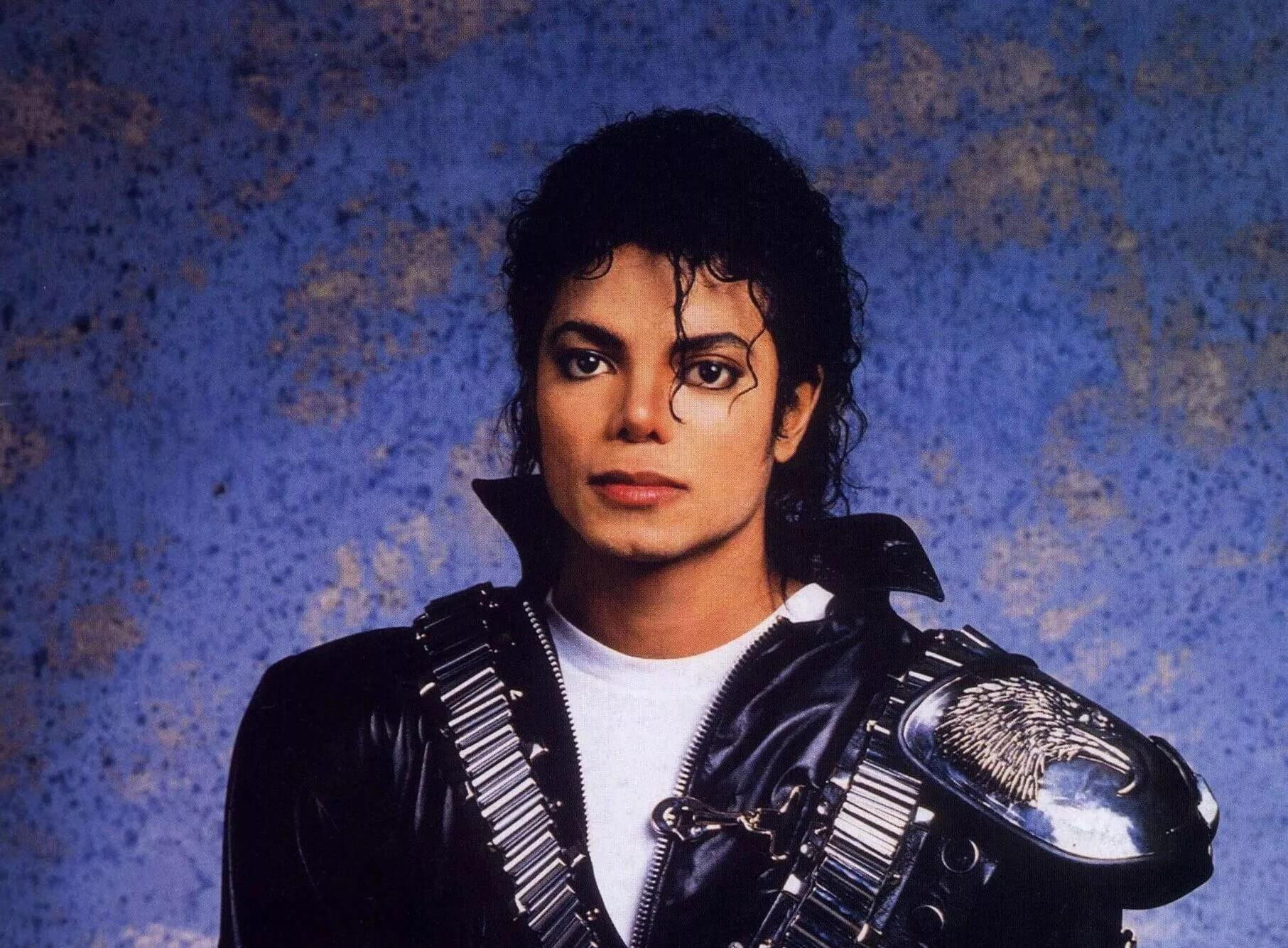
Michael Kives operates at the precise intersection where Hollywood stardom meets Silicon Valley cash. He didn't build a massive fortune by writing code or directing blockbuster films. Instead, he engineered a dense web of relationships, bridging politicians, pop stars, and tech titans through his investment firm, K5 Global. Yet, this meteoric rise came with intense scrutiny, particularly when his fund accepted hundreds of millions of dollars from disgraced crypto founder Sam Bankman-Fried. Examining the Michael Kives paradox means looking at how extreme network density creates immense financial gravity, while simultaneously exposing investors to catastrophic systemic blowback when partner networks collapse.
Before launching K5 Global, Kives spent fifteen years as a motion picture talent agent at Creative Artists Agency. During his tenure, he represented major clients ranging from movie stars to political figures like Bill and Hillary Clinton. This background allowed him to master the art of the introduction. He didn't just book gigs; he curated cultural gravity. When he left agency life to found an advisory and venture capital firm, he converted his Rolodex into an asset class. Founders didn't just want Kives's capital; they wanted access to his private orbit, which included top-tier actors, musicians, and billionaires.
The core of the paradox lies in the friction between networking alchemy and traditional fiduciary discipline. Early-stage venture capital relies heavily on asymmetric information and access. Kives positioned himself as the ultimate gatekeeper who could connect a crypto prodigy with A-list celebrities or prime real estate deals. This hyper-connected strategy worked brilliantly during prolonged bull markets. K5 Global secured early allocations in generational companies like SpaceX and Anduril. Founders welcomed the firm's check because a single text from Kives could land a product in front of a global icon.
The strategy fractured when capital sources faced existential stress. Investigators and journalists later mapped how Sam Bankman-Fried channeled massive funding into Kives's venture vehicles, creating an uneasy entanglement between Hollywood glamor and high-risk cryptocurrency speculation. When FTX collapsed, the fallout swept up numerous funds that had taken capital from the exchange. Lawsuits followed, putting K5 Global in the crosshairs of bankruptcy trustees looking to claw back funds for creditors. The very superpower that propelled Kives—his ability to raise capital rapidly through sheer relationship velocity—became a liability when those capital sources turned out to be built on fraudulent foundations. To see the full picture, we recommend the detailed analysis by Harvard Business Review.
Navigating high-stakes venture networks requires more than charm and speed. Investors who study this trajectory often miss the underlying mechanics of risk management. When a fund's primary edge is access rather than deep technical due diligence, it becomes vulnerable to macroeconomic shifts and counterparty failures. Kives eventually reached a settlement with FTX bankruptcy estates, allowing his firm to restructure and move forward, but the episode remains a stark case study in modern financial networks.
Building a fortune through elite connectivity demands rigorous institutional safeguards. Founders and allocators can learn several vital lessons from this era:
- Prioritize structural due diligence over social proof. A celebrity endorsement or a powerful recommendation from a mutual acquaintance doesn't replace balance-sheet analysis.
- Monitor counterparty concentration risk. Relying heavily on a single rapid-growth sector, such as unregulated crypto exchanges, exposes a portfolio to sudden systemic contagion.
- Separate advisory hype from intrinsic asset value. While a strong network helps customer acquisition, it cannot rescue a broken underlying business model.
Frequently Asked Questions
What is Michael Kives best known for?
Michael Kives is best known as a Hollywood "super-connector," a former talent agent at Creative Artists Agency, and the co-founder of K5 Global, a venture capital firm that invests in technology, entertainment, and consumer brands.
How did Michael Kives connect with Sam Bankman-Fried?
Through his dense network of high-profile contacts, Kives introduced major Hollywood celebrities and public figures to Bankman-Fried, while FTX-associated entities simultaneously injected hundreds of millions of dollars into K5 Global's investment vehicles.
What happened to the legal dispute between FTX and K5 Global?
In early 2025, FTX reached a formal settlement with K5 Global, resolving the bankruptcy lawsuit and securing a return of assets that contributed to the ongoing recovery efforts for FTX creditors.
How does network-driven venture capital differ from traditional VC?
Network-driven venture capital relies primarily on social capital, exclusive introductions, and cultural proximity to win competitive deals, whereas traditional VC relies heavily on quantitative analysis, engineering audits, and deep market research.


