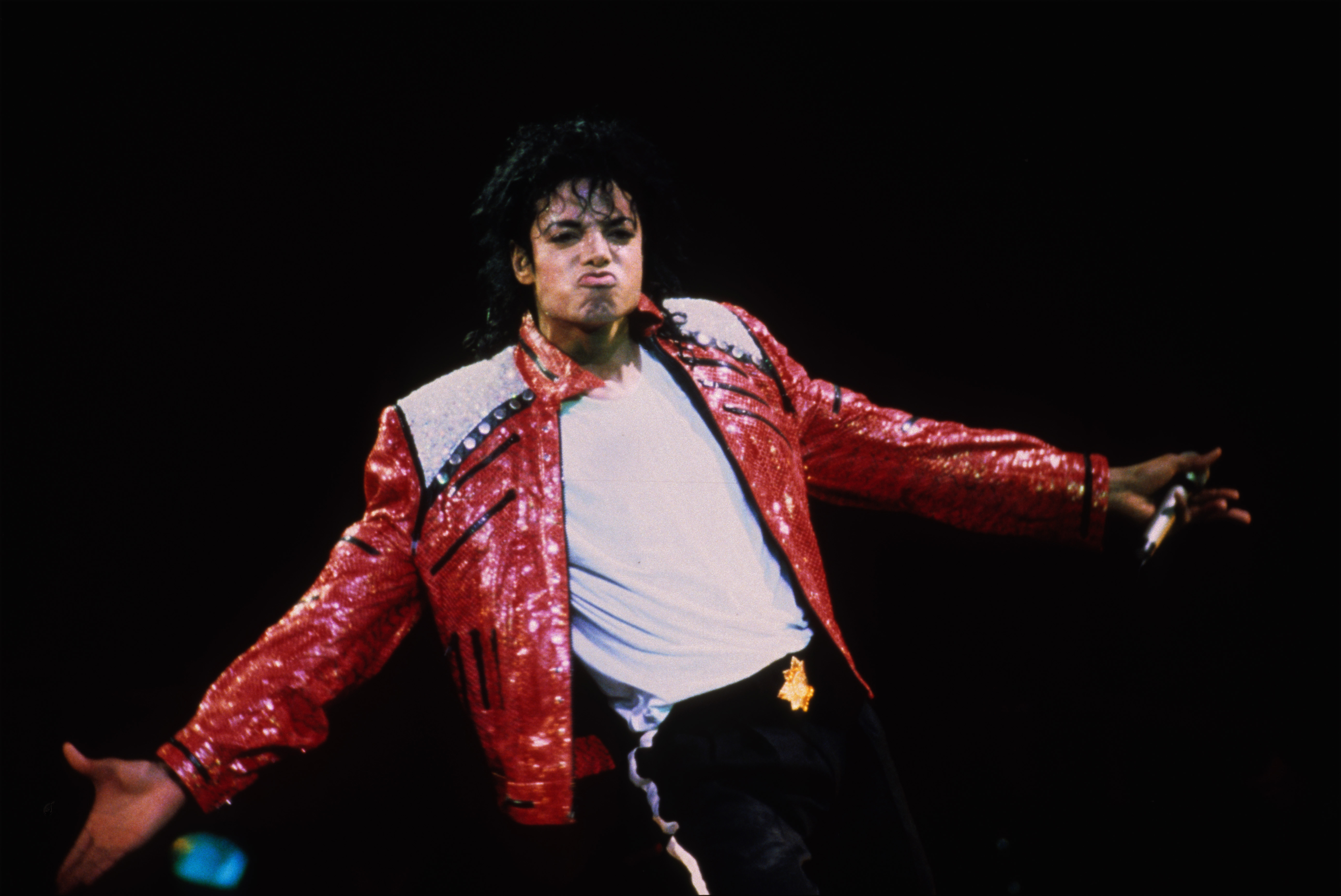
Is Michael Jackson still alive? No, the global icon passed away on June 25, 2009, at the age of fifty in Los Angeles, California, following acute propofol intoxication. Despite the absolute finality of his medical records, autopsy reports, and subsequent criminal trials, internet conspiracy theories persist. Fans often struggle to let go of monumental figures, fueling urban legends that he faked his own death to escape relentless media scrutiny. Yet, his real survival rests entirely in his permanent cultural footprint, his structural transformation of the music industry, and his unmatched artistic blueprint.
Understanding the King of Pop requires looking past sensational internet rumors and examining how his work altered modern entertainment. From his early days fronting the Jackson 5 to global solo blockbusters like Thriller, Jackson redefined what a pop star could achieve. This article breaks down the reality of his passing, the roots of the persistent survival myths, and the enduring architecture of his musical legacy.
The Reality of June 25, 2009
The day Michael Jackson died, the internet effectively broke. Major news outlets crashed under unprecedented traffic surges as millions tried to verify if the reports were real. Los Angeles paramedics responded to an emergency call at his rented Holmby Hills mansion, where he was found unresponsive. Attempts to revive him failed, and he was pronounced dead at the UCLA Medical Center.
An exhaustive official investigation followed. The Los Angeles County Coroner ruled his death a homicide caused by a lethal combination of sedatives and the powerful surgical anesthetic propofol. His personal physician, Conrad Murray, administered the drugs and was later convicted of involuntary manslaughter in 2011. There was no grand conspiracy, no hidden exit strategy, and no secret island escape. Just a tragic medical failure that ended the life of one of history's most recognizable performers.
Why Conspiracy Theories Persist
When massive cultural figures die unexpectedly, fans frequently construct elaborate survival narratives. Elvis Presley, Tupac Shakur, and Bruce Lee all accumulated similar folklore. Several specific factors drove the myths surrounding Jackson:
- The Timing of the Comeback: He was deep into rehearsals for a massive fifty-date residency titled This Is It at London's O2 Arena. The physical exhaustion required for such an undertaking fueled public denial when he died just weeks before opening night.
- Tabloid Culture and Deception: Jackson spent decades playing with media narratives, wearing surgical masks, and orchestrating theatrical public appearances. To many conditioned by tabloid chaos, faking his own death seemed like a plausible stunt.
- Double Stand-Ins: Rumors claimed that body doubles were spotted entering ambulances or hospitals, a myth stoked by sensationalist media coverage trying to monetize public grief.
These theories say much more about how society processes sudden loss than they do about reality. People often prefer the comforting fantasy of an artist living in seclusion over the stark finality of a hospital bed.
Redefining Modern Pop Culture
Jackson's influence goes far beyond record sales. He systematically broke down racial barriers in media during a time when MTV routinely segregated playlists. When Billie Jean and Beat It entered heavy rotation, they forced network executives to rethink how Black artists reached mainstream audiences.
His approach to short-film music videos changed visual media permanently. Instead of simple performance clips, he treated songs like cinematic events. The fourteen-minute Thriller video, directed by John Landis, merged narrative storytelling, horror tropes, and complex choreography into a cultural touchstone that still commands millions of views on YouTube.
Artistic Blueprint and Commercial Reach
Few artists achieve dominance across multiple distinct eras. Jackson evolved from a Motown child prodigy into an adult experimentalist who managed to merge hardcore R&B, rock guitar solos, and infectious dance pop.
- Sonic Innovation: Albums like Off the Wall and Bad utilized cutting-edge studio techniques alongside producer Quincy Jones, creating a crisp, punchy sonic signature that producers still study today.
- Choreography as Identity: He didn't just dance; he created universally recognized physical language. The moonwalk, the lean, and precise military-inspired isolations became staples of global street culture.
- Unprecedented Sales: Thriller remains the best-selling album in recorded history, with certified sales crossing tens of millions worldwide, cementing a commercial peak that modern streaming math rarely replicates.
Frequently Asked Questions
What was Michael Jackson's final album released during his lifetime?
His final studio album of original material released while he was alive was Invincible, which dropped in October 2001. It debuted at number one in multiple countries and featured sophisticated contemporary R&B production.
Who manages his estate today?
Following his passing, the executors named in his will—John Branca and John McClain—took over management of the Michael Jackson Estate. They have since cleared massive debts and turned his catalog into one of the most profitable entertainment assets in modern history.
How many children does he have?
He had three children: Michael Joseph Jackson Jr. (known as Prince), Paris-Michael Katherine Jackson, and Prince Michael Jackson II (historically nicknamed Blanket, now known as Bigi).
Did he write his own music?
Yes, he wrote or co-wrote many of his biggest career-defining hits, including Billie Jean, Beat It, Bad, and Smooth Criminal. He typically composed melodies entirely in his head, vocalizing instrumental parts into tape recorders before taking them to arrangers.



