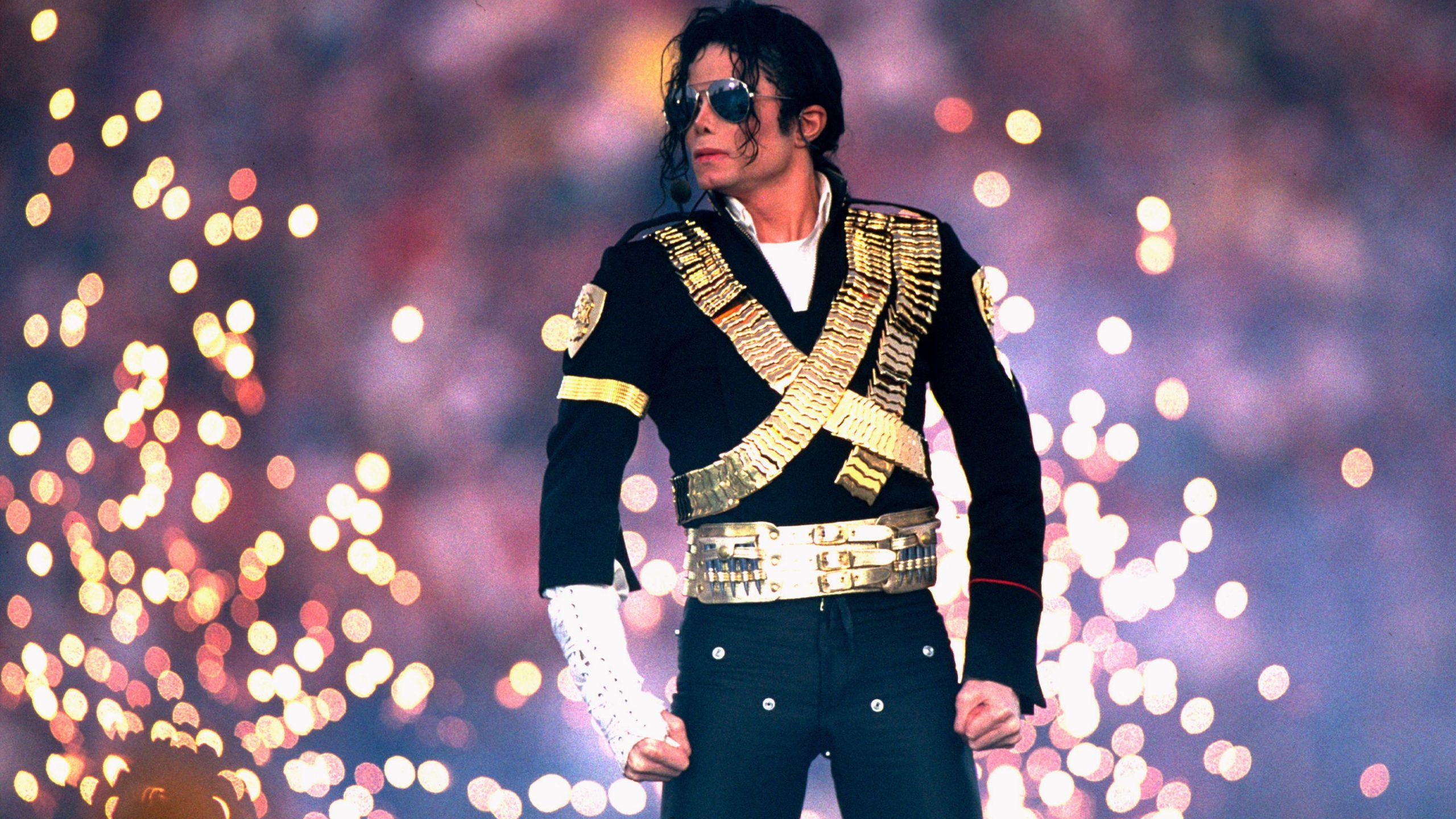
When Michael Jackson dropped Thriller in late 1983, pop music didn't just get a new hit; October 31st got an undisputed anthem. Before Jackson turned a suburban driveway into a zombie graveyard, holiday playlists relied on novelty tracks like "Monster Mash" or spooky sound effect records. "Thriller" changed that completely by merging cinematic horror with high-end R&B, proving that scary stories could dominate mainstream charts.
The track's persistence isn't an accident of nostalgia. It's the result of precise production choices, Hollywood-level storytelling, and a cultural shift that forever linked pop superstardom to Halloween night.
The Production Blueprint: How Audio Built a Horror Film
Long before anyone saw the red leather jacket, the song's audio engineering did the heavy lifting. Producer Quincy Jones and songwriter Rod Temperton built a sonic landscape designed to trigger dread and excitement in equal measure.
The track opens with creaking doors, howling wind, and footsteps on gravel, followed by a heavy, pulsing bassline played by Louis Johnson on a Yamaha CS-80 synth. That bassline acts as a heartbeat, anchoring the listener in a state of physical tension. Jackson's vocal delivery ranges from breathy whispers to full-throated funk shouts, mirroring the panic of being hunted in the dark.
Then comes the masterstroke: the spoken-word bridge by horror icon Vincent Price.
Price brought authentic B-movie royalty to a mainstream pop record. His delivery of lines like “Darkness falls across the land / The midnight hour is close at hand” wasn't just a gimmick. It provided a tonal anchor that legitimized the song's horror themes for both kids and adults.
Breaking the Rules: The Mini-Movie Format
Before 1983, music videos were primarily promotional tools meant to mimic live performances or show artists lip-syncing in a studio. Director John Landis changed the medium entirely with the Thriller music video, transforming a standard promotional clip into a 14-minute short film.
This shift had massive implications for October 31st:
- Narrative Depth: The video gave viewers a complete story arc—a 1950s date gone wrong, a werewolf transformation, a movie theater framing device, and finally, a zombie flash mob.
- Choreography as Culture: Michael Peters' choreography wasn't just backup dancing; it was a physical language. The jerky, shoulder-shuffling zombie walk became an immediate, globally replicated template for Halloween costumes and party routines.
- The Premier Event: MTV and Showtime turned the airing of the video into a televised global event. Families didn't just hear the song; appointment viewing became a holiday tradition.
By treating a music video with the production standards of a Hollywood feature, Jackson created the ultimate audio-visual anchor for the autumn season.
Why Older Spooky Songs Fell Short
To understand why "Thriller" wiped out previous Halloween staples, look at what came before. For decades, seasonal party playlists relied on tracks like Bobby "Boris" Pickett's 1962 novelty hit "Monster Mash" or Sheb Wooley's "Purple People Eater."
These songs were fun, but they were novelty tracks designed primarily for children. They relied on comedy, cartoonish sound effects, and simple lyrical structures. They didn't have radio longevity outside of October.
"Thriller" broke that mold because it was a genuinely great dance track first and a horror song second. You could play it at a high-end club in July, and people would dance. Come October, the lyrical themes naturally bubbled to the top. It bridged the gap between adult pop sophistication and juvenile Halloween fun, giving it a durability that novelty tracks could never match.
Common Misconceptions About the Track
As urban legends and pop lore grew around Jackson's career, several myths attached themselves to his signature Halloween song.
- Myth: Vincent Price made a fortune off the song's royalties. In reality, Price chose a flat fee of $20,000 upfront rather than taking a percentage of the royalties, a decision he later joked about when the album became the best-selling record in history.
- Myth: The video was instantly embraced by MTV. MTV initially hesitated to heavy-rotation the video because Epic Records hadn't serviced it to them in the traditional promotional pipeline, requiring intervention from MTV history and fierce label advocacy.
- Myth: The zombie dance was entirely improvised. Every step was meticulously choreographed over months, with Jackson and Peters studying classic horror films to capture the stiff, uncoordinated movements of reanimated corpses.
Frequently Asked Questions
When was Thriller released as a single?
Although the album came out in November 1982, "Thriller" was released as the final commercial single from the album on January 23, 1984, long after the video had already dominated late-1983 holiday programming.
Who wrote the song Thriller?
The track was written entirely by British songwriter Rod Temperton, who previously wrote "Off the Wall" and "Rock with You" for Jackson.
Why is Thriller associated with Halloween if it wasn't released in October?
The enduring association stems entirely from the horror-themed music video directed by John Landis, which debuted in December 1983 and instantly became a staple of annual October television broadcasts and party playlists.
Did Vincent Price do his rap in one take?
According to production logs, Price recorded his famous spoken-word segment and cackling laugh in just two takes, showcasing the seasoned horror actor's professional efficiency.


