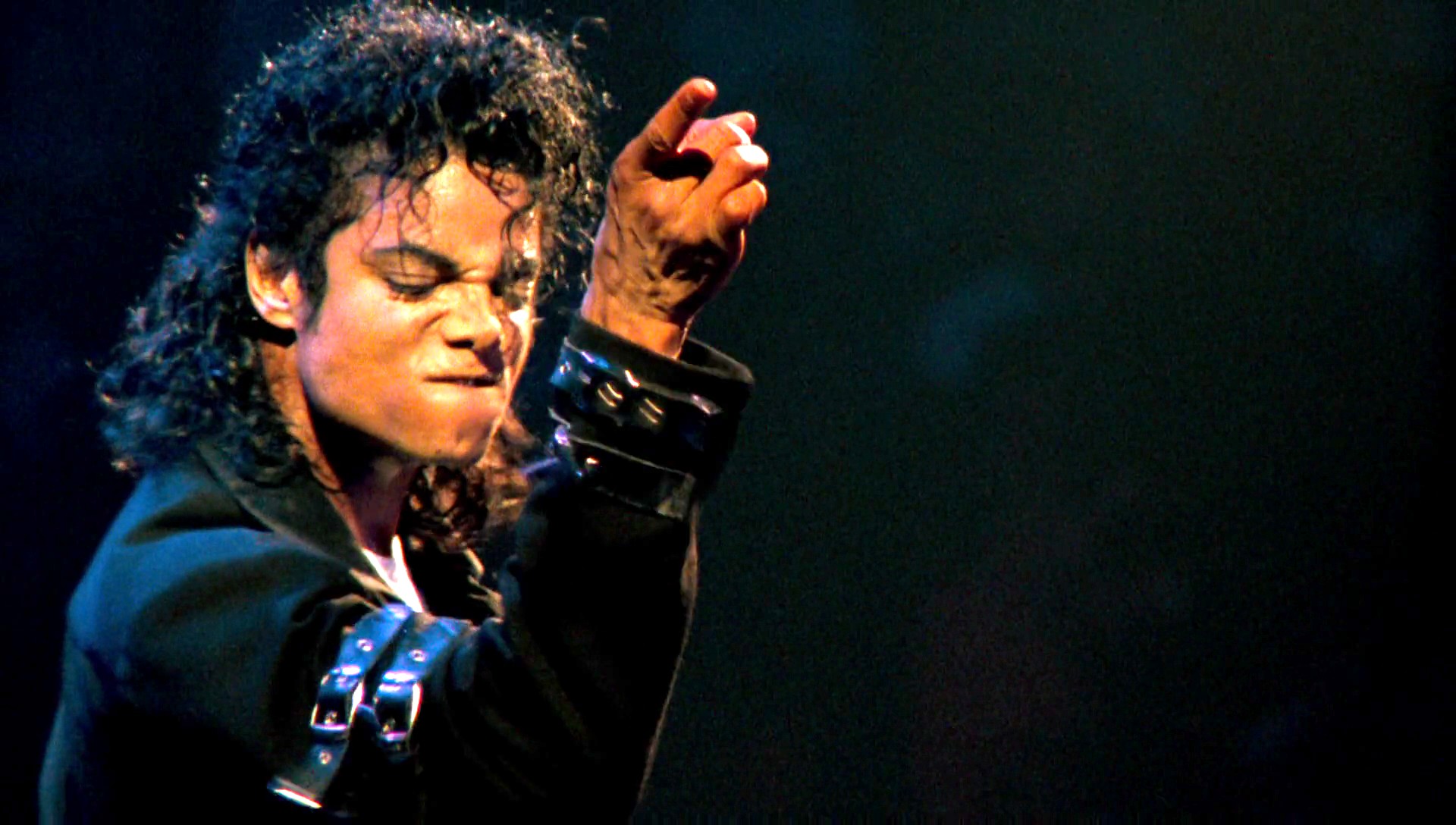
When Netflix dropped its controversial docuseries focusing on the late pop star's legal battles, the internet split right down the middle. Diehard fans launched an immediate, coordinated counter-offensive, review-bombing the project on rating aggregators and staging online boycotts. Yet, the title still rocketed to the top of streaming charts globally. This clash highlights a recurring friction point: how legacy media portrays polarizing icons versus how fiercely loyal fan communities protect their legacy.
Understanding why this release caused such a massive fracture requires looking past the standard talking points. We need to examine how the documentary frames past legal battles, why the fandom reacted with such intensity, and what this streaming phenomenon reveals about modern documentary ethics.
The Core Controversy of The Verdict
The series—widely tracked under titles like Michael Jackson: The Verdict—revisits the 2005 trial and the complex web of allegations that shadowed the singer's later years. For casual viewers, the show acts as a procedural recap of a heavily publicized courtroom drama. For supporters, it feels like an intentional rehashing of disproven narratives designed to maximize shock value and click-through rates.
The central friction point stems from how archival footage and witness testimonies are edited together. Critics within the fandom argue that the project cherry-picks isolated moments while glossing over the complete legal exoneration delivered by a jury in 2005.
- Selective Framing: Supporters point out that re-examining a concluded trial without introducing fresh, verifiable evidence feels less like journalism and more like sensationalism.
- The Acquittal Factor: A major grievance is the perceived minimization of the not-guilty verdicts across all counts, which fans argue invalidates the premise of dragging the singer back into the public trial square.
- Timing and Context: The release coincided with heightened interest in biographical projects about the artist, amplifying suspicions that the platform capitalized on existing hype cycles rather than offering objective analysis.
Fan Backlash and Digital Resistance
The response from the global fan base was swift, organized, and loud. Rather than ignoring the release, supporters utilized digital tools to push back against the platform's algorithm.
Thousands of negative user reviews flooded platforms like Rotten Tomatoes within hours of launch. Petitions demanding content removals gathered hundreds of thousands of signatures, and hashtags calling for subscription cancellations trended across social media networks.
This mobilization showcases a shifting power dynamic between major streaming distributors and legacy fan communities. When millions of devoted followers can instantly coordinate a review-bombing campaign, traditional gatekeepers face immediate reputational friction—even if viewing metrics ultimately break records.
Why Streaming Metrics Defied the Boycott
Despite heavy online resistance and trending hashtags demanding cancellations, viewing figures told a very different story. The series quickly secured the number-one spot in numerous regions worldwide.
This gap between vocal digital outrage and actual viewership underscores a familiar media paradox. Controversy often acts as free marketing. While thousands actively boycotted the series, millions of curious casual viewers tuned in simply because the title dominated their recommendation feeds.
Streaming algorithms thrive on high-engagement topics, and few subjects generate as much immediate emotional response as the life and legacy of Michael Jackson. The backlash itself served to broadcast the project's existence to corners of the audience that might otherwise have missed it.
Common Misconceptions About the Fandom's Reaction
Public discussions surrounding these controversies often rely on broad generalizations. Examining the actual arguments helps clarify the division.
- Misconception: Fans are simply ignoring legal history. Reality: Most critics within the fandom are hyper-aware of the 2005 trial transcripts and argue that the documentary leaves out specific testimonies that favored the defense.
- Misconception: The boycott successfully stopped the platform's plans. Reality: Engagement metrics proved that digital protests rarely dent total viewership for globally recognized pop culture properties.
- Misconception: Everyone involved in the project shares the same agenda. Reality: True-crime and documentary production teams often operate under the mandate of exploring public fascination rather than delivering a definitive moral verdict.
Frequently Asked Questions
What is the primary focus of the Netflix documentary?
The series centers around the legal scrutiny, investigations, and high-profile trials that defined the later decades of Michael Jackson's life, specifically focusing on the events surrounding the 2005 court case.
Why did fans review-bomb the series?
Supporters organized review-bomb campaigns because they felt the docuseries presented a biased, one-sided narrative that ignored the full legal acquittal and relied on manipulated framing of archival footage.
Did the online boycott affect the show's popularity?
While the boycott gathered significant digital traction and thousands of petition signatures, it failed to suppress viewership. The series topped daily streaming charts globally within its first week of release.
Where can I read more about industry streaming statistics?
To track global streaming performance and top-chart data for television projects, you can visit FlixPatrol. For broader entertainment industry analysis and box office updates, check out Variety.



