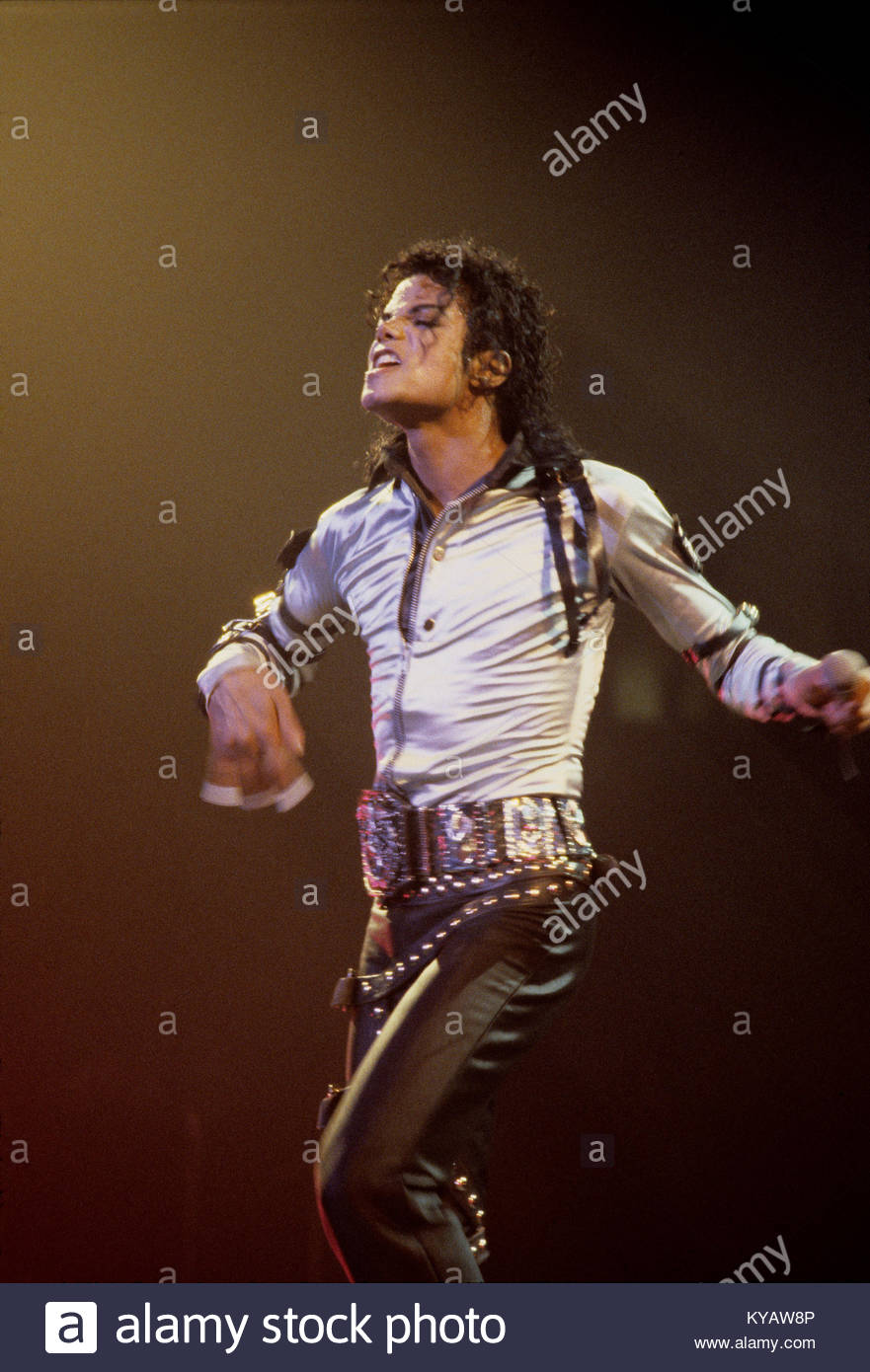
Decades after the world mourned the loss of the King of Pop on June 25, 2009, internet subcultures continue to obsess over a persistent myth: that Michael Jackson didn't actually die, but instead faked his own passing to escape intense public scrutiny. This urban legend relies heavily on low-resolution imagery, edited clips, and manipulated photographs circulated across social media platforms.
The search intent behind queries regarding these iconic viral images centers on verification. Users want to know where these mysterious photos originated, who is actually pictured in them, and how digital hoaxes gain traction online. Rather than accepting internet rumors at face value, examining the factual history of these viral claims reveals a clear pattern of misidentification, sensationalism, and manufactured mystery.
Anatomy of a Viral Hoax: The Coroner's Van Myth
Shortly after Jackson's passing was announced by outlets like TMZ, internet forums erupted with alternative theories. One of the earliest and most damaging viral pieces of media was a video clip claiming to show Jackson stepping out of a Los Angeles County coroner's van, alive and wearing a disguise.
- The Source: The footage was actually an intentional social experiment staged by German broadcaster RTL to demonstrate how rapidly unverified information spreads online.
- The Execution: An actor resembling Jackson was filmed emerging from a vehicle to test whether online communities would critically evaluate the source or immediately jump to sensational conclusions.
- The Aftermath: Even after the network confessed to the stunt, the video continued to circulate as "proof" among dedicated conspiracy theorists who claimed the confession itself was part of a broader cover-up.
This psychological phenomenon occurs because grief and shock often make audiences vulnerable to comforting narratives. Believing that an iconic figure chose to walk away from pressure rather than succumb to it feels more palatable than accepting a tragic reality.
Misidentified Faces: The Dave Dave Phenomenon
Another focal point for those hunting for proof of Jackson's survival is an interview featuring performance artist Dave Dave on CNN's Larry King Live. Dave Dave, born David Rothenberg, was severely burned as a child in an incident where his father set fire to him—a tragedy that led to a lifelong friendship between Rothenberg and Jackson, who offered him emotional and financial support throughout his recovery.
Because of his altered appearance from severe burn scars, internet commentators quickly seized on his voice modulation, mannerisms, and physical structure to claim that Dave Dave was actually Michael Jackson in disguise.
- The Reality: Facial structure analysis, dental records, and lifelong biographical documentation confirm that Dave Dave and Michael Jackson were entirely different individuals.
- The Impact: The rumor placed an unfair burden on Rothenberg, who spent years trying to build a career as an independent artist and advocate for burn survivors, only to have his identity constantly overshadowed by pop culture conspiracy theories.
Why Fake Photographs Persist Online
The digital age thrives on engagement, and few topics generate clicks quite like celebrity survival myths. Several distinct mechanisms keep these false narratives alive years after they first appear.
- Pareidolia: The human brain is hardwired to recognize familiar patterns, faces, and silhouettes, often tricking viewers into seeing Michael Jackson in blurry crowd photos, shadows, or distant concert footage.
- Clickbait Economics: Content creators on platforms like YouTube and TikTok monetize sensationalized thumbnails that promise "hidden proof" or "secret clues," driving ad revenue through manufactured intrigue.
- Digital Manipulation: Modern editing software makes it simple to graft Jackson's facial features from iconic 1990s music videos onto modern photographs of unrelated individuals, creating convincing visual fakes.
According to historical reporting by the Associated Press, official investigations into Jackson's passing involved exhaustive forensic work, autopsies, and courtroom testimonies that left no legal or medical doubt regarding his death at Ronald Reagan UCLA Medical Center.
Common Mistakes When Analyzing Viral Internet Clues
When casual fans encounter a trending photo or video claiming to show a deceased celebrity, it's easy to fall into analytical traps. Avoiding these common mistakes helps separate hard evidence from online fiction.
- Trusting Low-Resolution Source Material: Conspiracies almost exclusively rely on pixelated, blurry, or heavily compressed media where facial features are impossible to verify. Clear, high-definition evidence is consistently absent.
- Ignoring Chronology: Photos are frequently recycled out of context, taking images from the 1990s or early 2000s and mislabeling them as recent sightings to manufacture a timeline that fits a hoax narrative.
- Falling for Confirmation Bias: Once a person decides to believe a narrative, they dismiss official documents, expert testimony, and logical explanations as part of a conspiracy, while accepting any anonymous internet post as absolute truth.
Frequently Asked Questions
Did the Los Angeles County coroner confirm Michael Jackson's identity?
Yes. Medical examiners positively identified Jackson using dental records, physical markers such as vitiligo, and DNA samples during the official autopsy conducted in June and August of 2009.
Why do people keep starting these hoaxes?
Websites and social media channels leverage controversial celebrity rumors to drive viral traffic, advertising revenue, and social media engagement.
What was the official cause of Jackson's death?
The coroner ruled the death a homicide caused by acute propofol intoxication combined with sedatives administered by his personal physician, Dr. Conrad Murray, who was later convicted of involuntary manslaughter.
Are there any credible photographs of Michael Jackson after 2009?
No. Every photograph or video purporting to show Jackson alive after June 25, 2009, has been conclusively debunked as either a lookalike, an intentional hoax, an old photograph taken out of context, or a digital fabrication.



