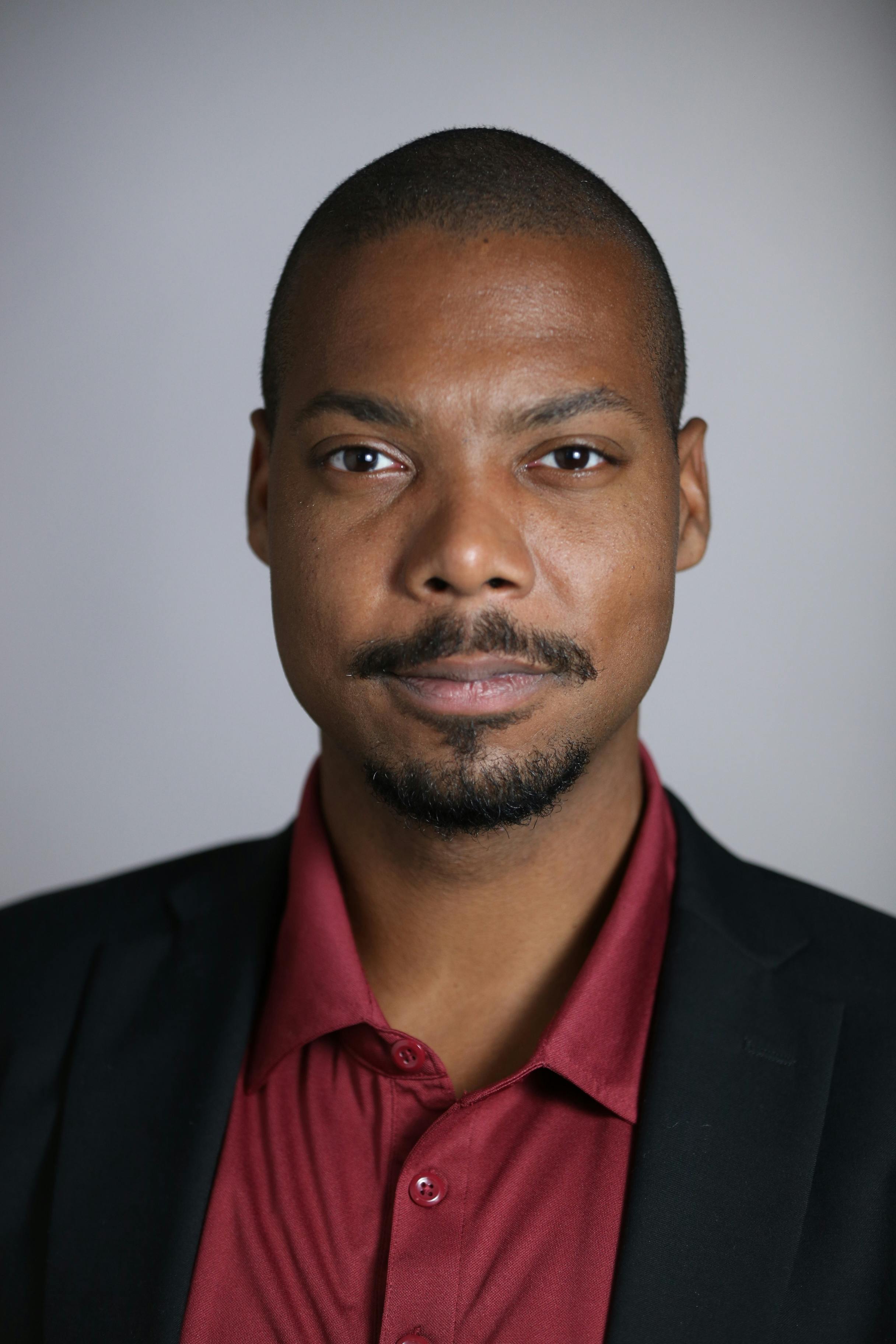
Michael Francis Foley Jr, universally recognized across the professional wrestling world as Mick Foley, stands as one of the most defining and unlikely icons in sports entertainment history. Without the sculpted, textbook physique of traditional 1980s and 1990s headliners, Foley built his legacy entirely on unmatched resilience, psychological creativity, and a willingness to absorb terrifying physical risks. From his early days carving out a reputation in independent hardcore circuits to main-eventing WrestleMania during the peak of the World Wrestling Federation's Attitude Era, his journey remains a masterclass in turning authenticity into superstardom.
Understanding how a self-described awkward kid from Long Island transformed into a multi-time world champion requires looking beyond the barbed wire and thumbtacks. Foley's career is a study in character evolution, audience connection, and the sheer power of narrative depth in a scripted sport. This examination unpacks the milestones, personas, and enduring influence behind the legend.
The Roots of a Hardcore Icon
Born in Bloomington, Indiana, and raised in East Setauket, New York, Michael Francis Foley discovered professional wrestling during his youth, developing an intense fandom that eventually pushed him to step into the ring. Training under Dominic Deenucci, Foley debuted in 1983 under various local monikers before adopting the chaotic, denim-wearing persona of Cactus Jack.
During his early regional and international stints—including notable runs in World Championship Wrestling (WCW), Extreme Championship Wrestling (ECW), and the Japanese deathmatch scene—Foley cultivated a style defined by calculated recklessness. He didn't just take bumps; he engineered memorable moments of impact that forced fans to react. His brutal encounters with Vader in WCW and his violent masterpieces in ECW established him as a premier brawler who prioritized emotional investment over clean execution.
The Three Faces of Foley
What separated Michael Francis Foley Jr from typical brawlers of his era was his rare comedic and dramatic range. Upon arriving in the World Wrestling Federation (WWF) in 1996, he introduced multiple distinct personas—collectively known as the "Three Faces of Foley"—each serving a different narrative function:
- Mankind: Debuting as a deranged, masked loner living in the boiler room, Mankind utilized the agonizing Mandible Claw and an erratic, self-harming cadence. Over time, fans gravitated toward his tortured vulnerability, transforming him into an unlikely fan favorite.
- Cactus Jack: Brought into the WWF ecosystem as a more unhinged, weapon-wielding extension of his independent roots, this persona represented raw vengeance and chaotic escalation.
- Dude Love: A tie-dye-wearing, easygoing 1970s caricature, Dude Love offered a sharp comedic contrast, complete with smooth dance moves and lounge-singer confidence.
This versatility allowed Foley to pivot effortlessly between main-event title matches and comedic mid-card segments without losing the audience's trust.
Defining Moments and Physical Toll
Foley's career is permanently etched into sports entertainment lore through a series of iconic, high-risk spectacles. Most notably, his June 1998 Hell in a Cell match against The Undertaker at King of the Ring featured two catastrophic falls—being tossed from the top of the sixteen-foot cage through a Spanish announce table and subsequently chokeslammed through the ceiling of the structure itself.
Rather than ending his career, that match cemented his status as the definitive "Hardcore Legend". Yet, these moments came with a steep physical price. Concussions, missing teeth, severe joint damage, and multiple major surgeries followed him into retirement. According to interviews documented in his autobiographical works, Foley's willingness to endure physical agony was driven entirely by a desire to make opponents look formidable and give fans a visceral payoff they would never forget.
Championship Success and Later Roles
Despite playing the role of the perpetual underdog, Foley achieved the highest accolades in the industry. He captured the WWF Championship three times—most famously on a recorded episode of Raw in December 1998 where his victory signaled a major turning point in the Monday Night War ratings battle. He also secured multiple tag team titles alongside partners like The Rock (forming the beloved Rock 'n' Sock Connection), Stone Cold Steve Austin, and Kane.
After stepping away from full-time competition, Foley transitioned smoothly into non-wrestling roles, serving as an on-screen Commissioner, General Manager, and a WWE Ambassador. He was officially inducted into the WWE Hall of Fame in 2013, validating a career built on sweat, bruises, and brilliant character work. Outside the ring, Foley established himself as a New York Times bestselling author, a passionate philanthropist, and a stand-up comedian.
Frequently Asked Questions
What is Mick Foley's real birth name?
His birth name is Michael Francis Foley, born on June 7, 1965, in Bloomington, Indiana.
How many times did Mick Foley win the WWF Championship?
He won the WWF World Heavyweight Championship three times during his career, all while portraying his Mankind persona.
Why is Mick Foley called the Hardcore Legend?
The moniker stems from his brutal, high-impact wrestling style, willingness to use weapons and dangerous environments (such as barbed wire and ladder matches), and his legendary resilience inside structures like Hell in a Cell.
Is Mick Foley still active in professional wrestling?
While he is retired from active in-ring competition due to cumulative injuries, he continues to make sporadic media appearances, engage with fans, and work in behind-the-scenes or advisory capacities within the industry.



