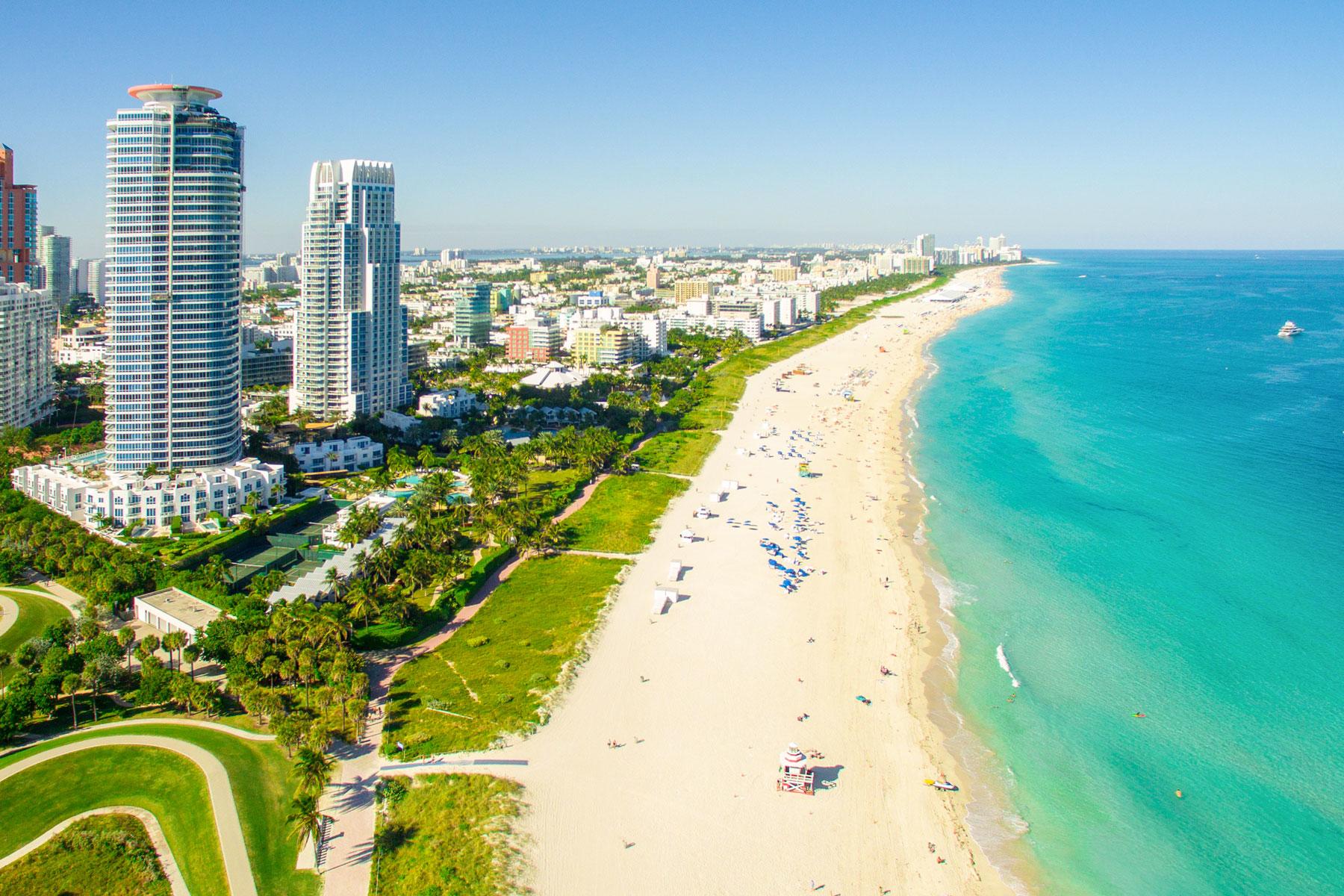
Miami operates on a distinct rhythm where geography, international trade, and cultural cross-currents collide to shape a unique global business environment. Rather than just functioning as a warm-weather destination, the city serves as the primary corporate and financial bridge between North America and Latin America. Companies use this strategic positioning to manage cross-border operations without losing access to United States legal and financial frameworks.
Understanding how this local pulse drives international commerce requires looking past surface-level tourism stereotypes. From logistics corridors handling billions in cargo to a bilingual workforce fluent in multiple markets, South Florida operates as an indispensable node in the international economy.
The Geographic and Temporal Advantage
Operating out of Eastern Standard Time gives Miami an immediate operational edge for international trade. This time zone shares a standard business day with major financial capitals across the Americas, Europe, and the Caribbean. Real-time communication happens naturally without the extreme lag that plagues transatlantic or transpacific ventures.
- Immediate Market Access: Teams can coordinate with partners in New York, Bogota, and Santiago during standard working hours.
- Streamlined Logistics: PortMiami and Miami International Airport process cargo flows that connect regional supply chains directly to global shipping lanes.
- Financial Synchronization: Banking transactions and currency exchanges align smoothly with major Western markets.
Companies targeting international growth often centralize regional headquarters in South Florida to maintain synchronous oversight across multiple countries. This eliminates the need for separate management outposts scattered across different jurisdictions.
The Bilingual and Bicultural Workforce
Global connectivity depends heavily on human capital. Miami’s labor pool possesses deep linguistic and cultural fluency that simplifies international negotiations and client relations. Professionals here often navigate both Anglo-American corporate standards and Latin American relationship-driven business practices with ease.
This bicultural competence changes how firms handle marketing, legal compliance, and customer success. Instead of translating materials after the fact, local teams create strategies that resonate natively across distinct cultural markets. This reduces friction when expanding foreign operations or onboarding international talent.
Key Industries Driving the Local Economy
Several core sectors anchor the region's commercial expansion, turning regional advantages into tangible economic output.
- International Banking and Wealth Management: Financial institutions use the city as a private banking hub for high-net-worth individuals and corporate entities across the Caribbean and South America.
- Global Logistics and Freight Forwarding: Specialized warehousing, customs brokerage, and transport networks move goods swiftly between continents.
- Technology and Venture Capital: A growing influx of tech founders and venture investors have established a thriving startup ecosystem focused on cross-border software and fintech solutions.
Common Strategic Mistakes When Entering the Market
Firms new to the region often miscalculate local dynamics by treating South Florida like any standard domestic market. Avoid these frequent missteps:
- Ignoring Relationship-Centric Culture: Transactions here rely heavily on direct personal connections and trust, not just formal digital outreach.
- Underestimating Infrastructure Bottlenecks: Rapid growth strains local transit networks, requiring careful planning for physical shipping and in-person meetings.
- Assuming Monolingual Operations: Expecting English-only operations limits access to top-tier talent and regional partnership networks.
To succeed, businesses must embed themselves directly into local chambers of commerce, trade associations, and bilingual networking groups.
Frequently Asked Questions
Why is Miami considered the gateway to Latin America?
Its geographic proximity, extensive direct flight routes, and deep-rooted cultural ties make it the most efficient entry point for trade and corporate investment between the U.S. and Latin America.
How does the local time zone benefit international companies?
Operating on Eastern Standard Time allows businesses to communicate in real-time with North American headquarters, European partners, and South American markets during overlapping business hours.
What major industries thrive in South Florida?
International trade, logistics, finance, hospitality, and an expanding technology and venture capital sector drive the regional economy.
Do I need to speak Spanish to conduct business in Miami?
While English is standard for official corporate transactions, bilingual proficiency in Spanish and English provides a massive competitive advantage for networking, sales, and management.


