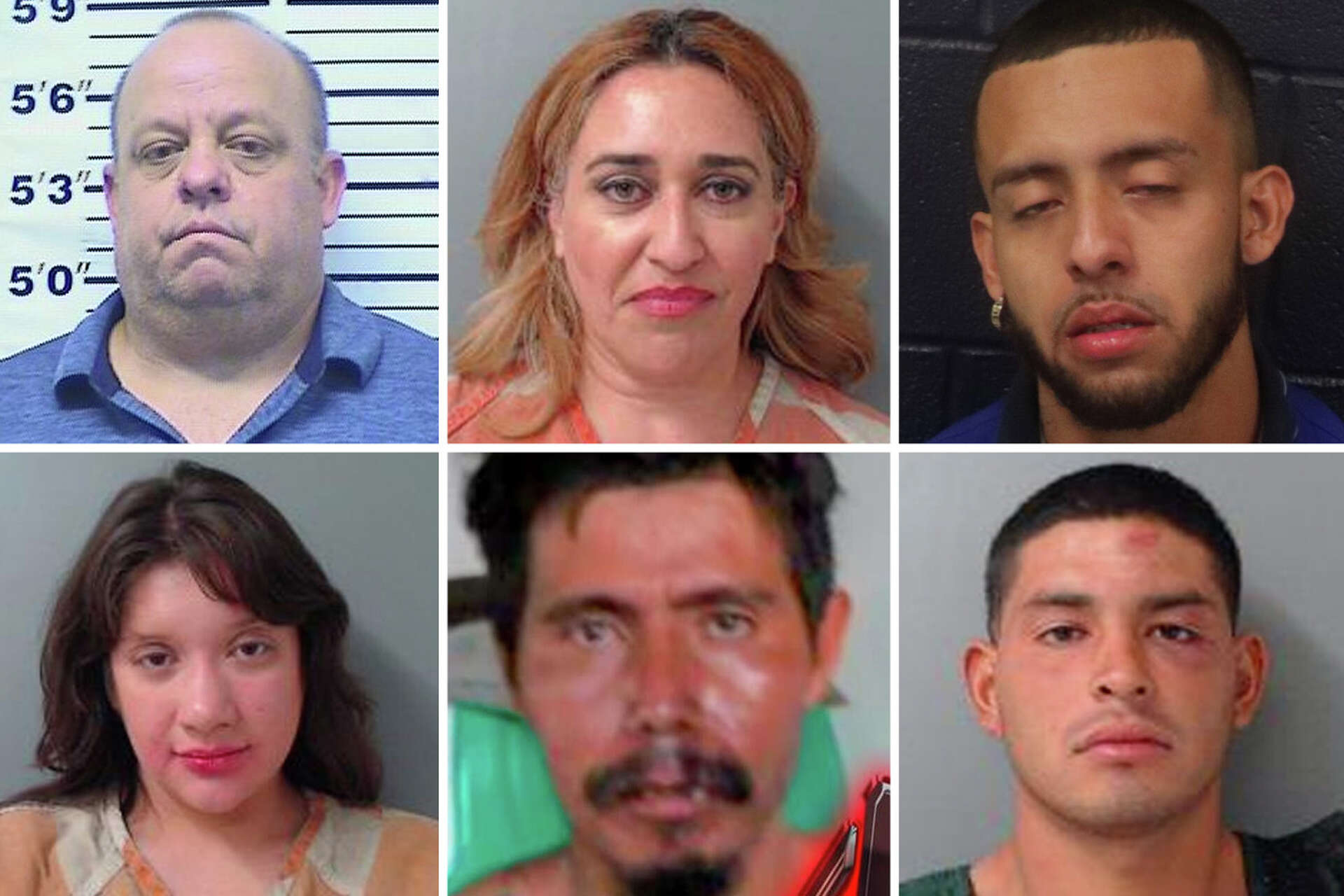
Accessing booking photographs and arrest logs in South Florida involves navigating a complex mix of official county portals and commercial archives. If you're trying to find a specific booking record or understand how arrest data spreads across the internet, knowing where to look matters. Official government databases and third-party aggregators handle these records differently, impacting privacy, accuracy, and ease of access.
Under Florida’s public records laws, most arrest records and booking photos maintained by law enforcement agencies are open to public inspection. Yet, the shift from physical police station archives to online digital repositories has created distinct challenges for individuals, researchers, and legal professionals. Let's break down how the system works, where records live, and what your options are.
Official Sources vs. Third-Party Digital Archives
When someone gets arrested in South Florida, multiple agencies capture and store their information. Knowing which agency holds what data helps you locate official files quickly without getting stuck on paywalled commercial sites.
The primary official portals include:
- The Miami-Dade Corrections and Rehabilitation Department provides an online inmate search tool to check individuals currently in custody. Results display booking dates, charges, bond amounts, and mugshots.
- The Miami-Dade Clerk of the Court maintains official court dockets, felony and misdemeanor case files, and disposition outcomes through the Miami-Dade Clerk Criminal Justice portal.
- The Miami-Dade Police Department handles direct public records requests for specific incident reports and police files through its Central Records unit.
Third-party websites scrape these public databases to build independent archives. These commercial operators often republish mugshots separately from final case dispositions. If a case gets dismissed or sealed later, independent sites frequently leave the original booking photo up, creating reputational hurdles for people who were never convicted.
Florida Public Records Law and Mugshot Removal
Florida operates under liberal transparency statutes, notably Chapter 119 of the Florida Statutes, often called the Sunshine Law. This framework ensures that government documents—including arrest affidavits and booking photos—remain accessible to citizens.
However, commercial mugshot publishing sites operate under different rules than government bodies. State lawmakers have passed restrictions targeting predatory mugshot websites that charge fees to take down booking photos. Under Florida law, if a publishing site demands payment to remove a mugshot of an individual whose charges were dropped, dismissed, or resulted in an acquittal, they can face civil liability.
To clear or remove arrest data from independent archives, you typically must:
- Obtain official documentation from the Clerk of Courts proving that charges were dropped, dismissed, or that you were acquitted.
- Submit a formal removal request directly to the site operator, attaching the official court disposition.
- Confirm whether the underlying record is eligible for expungement or sealing through the Florida Department of Law Enforcement (FDLE) process. Sealing or expunging a criminal history record legally restricts public agencies from disclosing the arrest to general third parties.
Steps to Search Miami-Dade Arrest Records Safely
Searching for arrest logs requires caution. Many lookalike search engines charge hidden subscription fees or display misleading ads. Follow these practical steps to find verified information:
- Visit official county domains ending in
.gov, such as the Miami-Dade County official portal, to run free inmate lookups. - Check the Miami-Dade County Clerk of Courts portal to verify the current legal status of a case rather than relying solely on an initial booking photo.
- Avoid entering credit card information on commercial aggregation sites that promise comprehensive background checks for a dollar.
- Document case numbers, booking numbers, and dates if you need to request official certified copies from county clerks.
Common Mistakes to Avoid
Navigating arrest data archives trips many people up. Watch out for these common pitfalls:
- Confusing an arrest with a conviction: A mugshot only proves an arrest occurred. It doesn't indicate guilt or a final court outcome. Many charges get reduced or dropped entirely.
- Trusting outdated web pages: Independent archives rarely update records when cases change. Always cross-reference data with the Clerk of Courts docket.
- Ignoring sealing eligibility: People often assume arrest records disappear automatically over time. You must actively file petitions with the state if you want eligible records sealed or expunged.
Frequently Asked Questions
Are all Miami-Dade mugshots available online?
Most standard bookings appear on the Department of Corrections inmate search or independent databases. However, juvenile records, sealed files, and certain federal or undercover operations remain strictly restricted from public view.
Can I force a website to delete my mugshot?
Yes, if your case resulted in a dismissal, nolle prosequi, or acquittal, Florida law requires commercial mugshot publishers to remove the image upon written request without charging a fee.
How do I get an arrest record expunged in Florida?
You must first apply for a Certificate of Eligibility through the FDLE. If approved, you petition the court to seal or expunge the criminal history record, which legally restricts public access across law enforcement and court databases.
Why do independent sites have mugshots that official sites deleted?
Commercial aggregators scrape government databases periodically and save local copies to their own servers. Once downloaded, deleting the source file on county servers doesn't automatically erase copies stored on private third-party networks.



