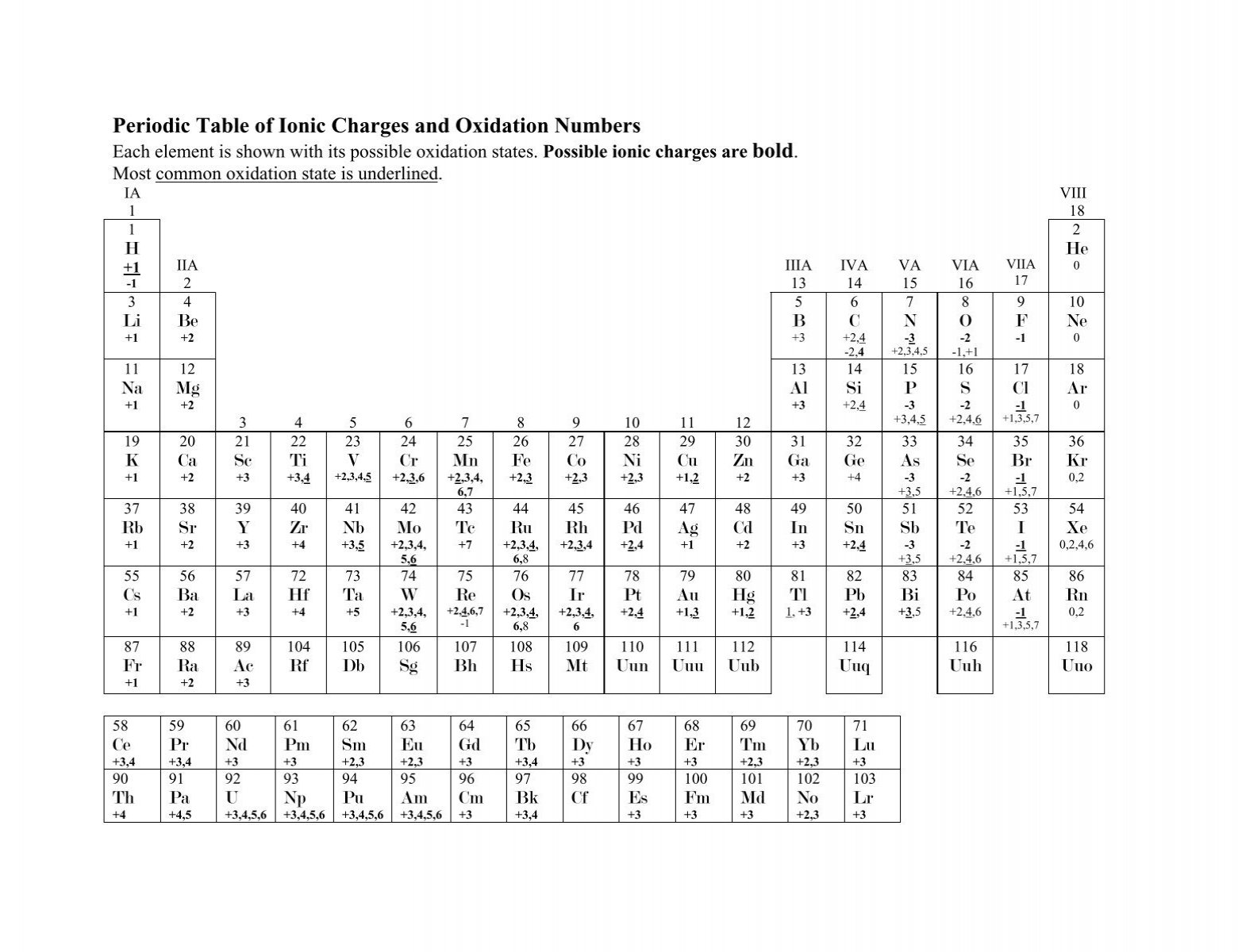
Magnesium-ion technology centers on the divalent $Mg^{2+}$ cation, an emerging alternative to lithium in advanced energy storage and precision engineering. By carrying a double positive charge in a compact atomic radius, the magnesium charge ion delivers high charge density and doubles potential electron output per atom compared to monovalent ions.
This guide breaks down the electrochemistry, cell mechanisms, manufacturing hurdles, and practical real-world implementations shaping this technology.
Electrochemical Fundamentals of the Magnesium Ion
To understand why this technology attracts research funding, you need to look at the atomic level. Neutral magnesium has 12 protons and 12 electrons. When it ionizes, it loses two valence electrons to form the $Mg^{2+}$ state.
This divalent nature changes how the particle interacts with electrodes and electrolytes:
- Charge Density: The tiny ionic radius paired with a double positive charge creates a concentrated electrostatic field. This field allows ions to pack densely into crystal lattices, boosting volumetric energy storage.
- Electron Yield: Because each atom yields two electrons during oxidation, the theoretical capacity per unit volume exceeds that of standard lithium systems.
- Abundance and Supply Chain: Magnesium is the seventh most abundant element in the Earth's crust, sourced easily from seawater and dolomite deposits. This eliminates the heavy geopolitical supply chain bottlenecks associated with cobalt and nickel.
The Chemistry of Electrolytes and Solvation Shells
The primary bottleneck in practical application isn't the metal itself; it's how the ion moves. When $Mg^{2+}$ enters a liquid or solid electrolyte, solvent molecules cluster around it to form a solvation shell.
Because the charge is double, the electrostatic attraction between the ion and its surrounding solvent molecules is intense. If that solvation shell is too rigid, the ion moves sluggishly, dragging its solvent cluster across the cell and crippling the power output.
Chemists engineer tailored electrolytes—often utilizing specific Grignard-based or chloride-complexed solutions—to create lightweight solvation shells. These customized shells shed molecules quickly at the electrode interface, permitting rapid ion diffusion and faster recharge times.
Applications in Next-Generation Batteries
Lithium-ion cells are approaching their theoretical limits. Grid storage and electric vehicles demand safer, denser alternatives, and magnesium batteries offer a viable path forward.
Eliminating Dendrite Formation
Lithium metal anodes suffer from dendrite growth during fast charging. These microscopic metallic whiskers pierce separators, causing short circuits and thermal runaway. Magnesium electrodeposits smoothly without forming sharp dendrites under proper electrolyte conditions. This structural stability drastically reduces fire risks in high-capacity packs.
Automotive and Grid Integration
Vehicle range depends heavily on pack weight. Magnesium is lighter than aluminum by volume in certain structural alloys, and utilizing metal anodes cuts dead weight from current collectors. For grid storage, where raw material cost and safety trump volumetric constraints, seawater-derived materials offer cheap stationary power solutions.
Medical and Precision Engineering Uses
Beyond power storage, the unique characteristics of these ions drive innovations in biotechnology.
- Targeted Drug Delivery: Researchers use ionic triggers to control the release of therapeutic molecules. Because $Mg^{2+}$ ions regulate specific cellular pathways, specialized carriers release payloads only when they detect local ionic shifts near tumor sites.
- Biodegradable Implants: Orthopedic pins made of magnesium alloys degrade safely inside the human body over months. The body absorbs the released ions naturally, removing the need for follow-up surgery to extract hardware.
- Advanced Additive Manufacturing: Binder jetting techniques use magnesium-based inks to print intricate ceramic-metal composites. The ionic bonding increases green-state part strength before sintering.
Common Technical Hurdles
Despite clear advantages, commercial adoption faces steep engineering hurdles:
- Passivation Layers: Standard electrolytes react with magnesium metal anodes to form an insulating passivation layer. This crust blocks ion transfer completely, killing the battery after a few cycles.
- Slow Solid-State Diffusion: The high charge density of the ion makes it bind strongly to cathode host materials. Hopper sites in traditional transition metal oxides trap the ion, requiring high operating temperatures to achieve decent conductivity.
Frequently Asked Questions
Why is a divalent ion harder to use than lithium?
Lithium is monovalent ($Li^+$), meaning it carries a single charge and interacts weakly with surrounding molecules. The double charge of $Mg^{2+}$ causes it to bind aggressively to electrolyte solvents and cathode crystal lattices, making it sluggish and prone to trapping inside materials.
Are magnesium-ion batteries commercially available today?
Not for mainstream consumer electronics or electric vehicles yet. While pilot production lines exist for niche military and industrial hardware, widespread commercialization depends on solving anode passivation and electrolyte stability issues.
Is magnesium mined safely compared to lithium?
Yes. Magnesium extraction from seawater and widespread dolomite rock involves fewer toxic chemical runoff issues and lacks the severe localized water depletion problems tied to traditional lithium brine extraction.
Does magnesium eliminate the risk of battery fires?
It significantly reduces it. Because magnesium doesn't form needle-like dendrites that breach separators, and because it has a higher melting point and lower reactivity with moisture than lithium metal, the chance of catastrophic thermal runaway drops substantially.



