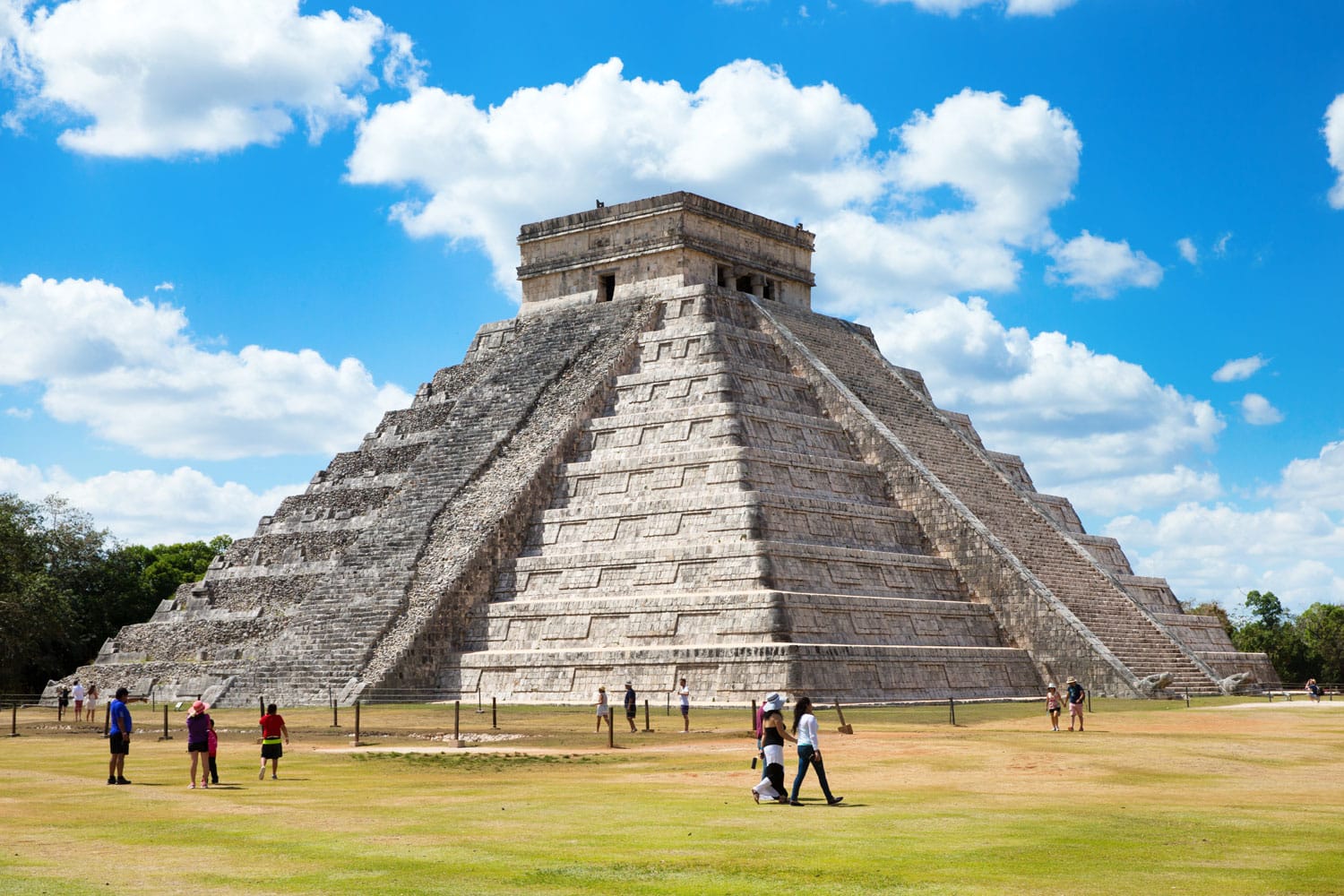
The moment a character crosses the border into Mexico in a Hollywood crime drama, the world changes colour. The crisp blue skies of the American southwest vanish, replaced by an aggressive, heavy amber wash. This phenomenon—popularly known as the Mexico yellow tint—has become one of the most recognizable and heavily memed visual shortcuts in modern media. Far from an accurate reflection of geography, it is a deliberate stylistic choice born out of a mix of narrative shorthand, technical limitations, and deep-seated industry habits.
Understanding why directors lean so heavily on this amber grading requires looking past the surface joke. It reveals how visual storytelling manipulates audience perception without a single line of exposition.
Origins of the Amber Shift
The heavy use of warm color grading to denote foreign or tropical landscapes didn't start overnight. In early cinema, directors used physical tinted camera reels or chemical baths to evoke specific moods—blue for night, red for danger, and yellow or amber for intense sunlight.
However, the specific modern trope of the Mexico yellow tint solidified around the turn of the 21st century. Steven Soderbergh’s 2000 film Traffic is widely cited as a major turning point. Soderbergh used distinct color palettes to separate the film's parallel storylines: a cold, stark blue monochrome for Washington legal bureaucracy, and a warm, golden-brown glow for the scenes set across the border.
While Soderbergh used it to help viewers track complex plotlines, subsequent television shows and blockbuster movies adopted the technique as a blunt instrument. Shows like Breaking Bad took the concept to extremes, bathing entire flashback sequences and cartel meetings in an almost radioactive mustard hue to signal a shift in jurisdiction.
Why Hollywood Relies on the Filter
Directors and cinematographers face a constant challenge: establishing geography and mood instantly. When a production operates on a tight schedule or budget, flying a crew to actual international locations isn't always feasible. Sets built in California, New Mexico, or soundstages in Atlanta have to double for foreign soil.
Color grading acts as an invisible wall. The primary reasons this visual crutch persists include:
- Geographic Shorthand: Without resorting to clumsy text overlays that state coordinates or years, a sudden shift in colour balance tells the audience immediately that the scene has moved south of the border.
- Psychological Association: Human psychology links warm tones with heat, dust, lawlessness, and danger. By cranking up the yellow and orange channels, colorists artificially manufacture a sense of an oppressive, sun-baked environment.
- Tone and Atmosphere: Crime dramas and thrillers use desaturated, cold tones for domestic law enforcement and hyper-warm tones for criminal underworlds, creating a stark visual contrast between order and chaos.
The Real Impact on Audience Perception
While filmmakers view these choices as artistic tools, the repetition carries unintended cultural baggage. Critics and audiences have pointed out that constantly portraying developing nations through a sicklied, dusty filter reinforces lazy stereotypes. It paints entire countries as perpetually arid, underdeveloped, and hazardous zones, contrasting sharply with the clean, natural look of domestic American scenes.
Over time, internet culture turned this heavy-handed grading into a widespread joke. Memes frequently mock open-world video games or unrelated TV shows that accidentally feature a warm lighting glitch, joking that someone "turned on the Mexico filter". This widespread mockery has forced modern cinematographers to dial back the extremity of these grades, opting for more nuanced palettes that convey heat and mood without washing out the entire frame in mustard.
Frequently Asked Questions
Is Mexico actually yellow in real life?
No. Mexico features diverse landscapes ranging from lush tropical rain forests and vibrant blue oceans to modern, metropolitan cityscapes that look identical to urban centers anywhere else in the world.
Did Breaking Bad invent the Mexico filter?
No. While Breaking Bad became the most famous modern example due to its intense application during cartel-heavy story arcs, earlier films like Traffic used the exact same visual technique years prior.
Why do some shows use blue filters instead?
Just as warm yellow tones signify heat, danger, or foreign territories in American media, cold blue or teal filters are frequently applied to denote sterile environments, corporate corruption, nocturnal settings, or gritty urban crime scenes.
Are modern filmmakers still using this technique?
While the heavy-handed "piss filter" style of the late 2000s has largely fallen out of favor due to audience fatigue, variations of warm color grading are still standard industry practice for signaling dry climates or retro flashbacks.



