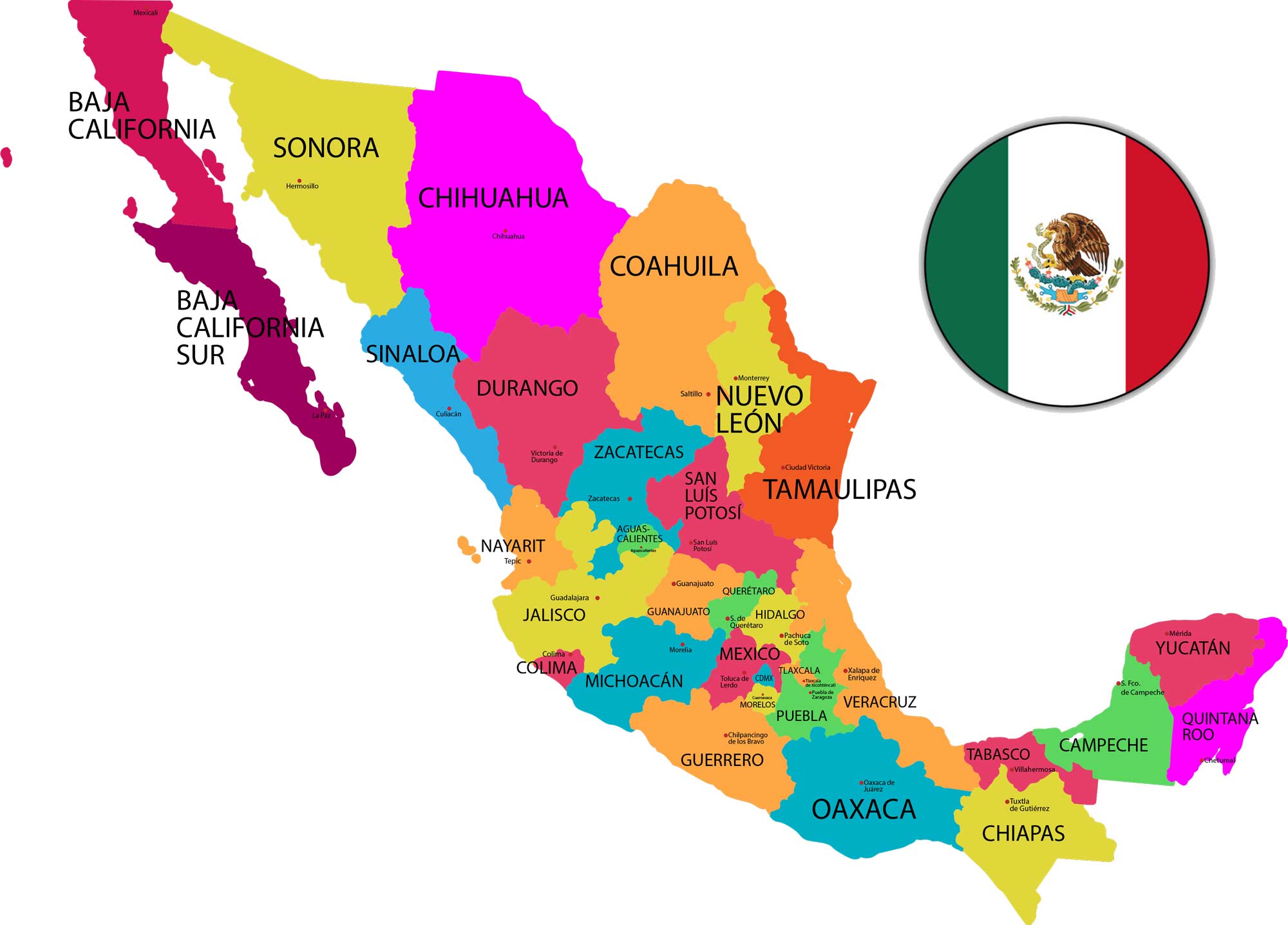
Navigating time zones across Mexico can catch travelers and remote workers off guard because the country spans four distinct standard time zones. While much of the nation operates on Central Standard Time, regional variations and specific border exemptions mean the exact hour changes depending on whether you are lounging in Cancun, exploring Mexico City, or crossing into Tijuana.
Understanding Mexico Time Zones
Mexico doesn't rely on a single uniform clock. Due to its wide geographic span, the federal government officially recognizes four primary time zones. Knowing which zone applies to your destination helps prevent missed flights, late business calls, and scheduling errors.
- Central Time (Zona Centro): Covers the majority of the country, including major hubs like Mexico City, Guadalajara, Monterrey, and Mérida. This zone sits at UTC-6.
- Mountain Time (Zona Pacífico): Encompasses western and northwestern states such as Baja California Sur, Sinaloa, Nayarit, and parts of Chihuahua. This zone operates on UTC-7.
- Pacific Time (Zona Noroeste): Restricted to the northern state of Baja California (including Tijuana and Mexicali), aligning with the Pacific Time Zone in the United States at UTC-8.
- Eastern Time (Zona Sureste): Covers the southeastern state of Quintana Roo, home to tourist hotspots like Cancun, Tulum, and Cozumel. This zone stays on Eastern Standard Time at UTC-5 year-round.
You can verify precise official shifts and current atomic clock synchronization through the Centro Nacional de Metrología portal.
The Abolition of Daylight Saving Time
A major legislative change shifted how Mexico handles seasonal time changes. In late 2022, the Mexican federal government voted to eliminate nationwide Daylight Saving Time (DST). For decades, most states pushed their clocks forward in the spring and back in the autumn. Now, the vast majority of Mexican states remain on standard time permanently.
Exceptions remain near the northern international boundary. Municipalities directly bordering the United States—along with the entire state of Baja California—continue to observe DST. These areas synchronize their clock changes with the United States to maintain commercial alignment with cross-border neighbors. If you travel to cities like Ciudad Juárez, Matamoros, or Tijuana during the spring and autumn transition windows, expect your devices to adjust automatically based on local network pings.
Comparing Regional Times Across Mexico
When coordinating travel plans or virtual meetings, keeping track of the hour differences prevents confusion. The table below outlines how regional locations stack up against Coordinated Universal Time.
- Mexico City (Central): UTC-6 year-round. Aligns with cities like Chicago and Houston during standard time months.
- Cancun (Eastern): UTC-5 year-round. Matches New York and Miami during standard time.
- Mazatlán (Mountain): UTC-7 year-round. Matches Denver and Phoenix.
- Tijuana (Pacific): UTC-8 in winter, UTC-7 in summer. Matches Los Angeles and Seattle.
For official global clock benchmarks and international coordination, reference the Time and Date World Clock.
Common Scheduling Mistakes to Avoid
Travelers frequently assume that standard time rules apply uniformly across every beach resort and inland city. Making this assumption leads to missed excursions and hotel check-in mix-ups.
- Confusing Cancun with the Rest of the Mayan Riviera: Tourists landing in Cancun often forget that Quintana Roo does not observe standard central time. Cancun is one hour ahead of Mexico City year-round.
- Ignoring Border Zone Rules: People visiting border towns assume standard national laws dictate clock changes. Remember that northern border strips follow U.S. daylight saving schedules, creating temporary hour discrepancies with interior neighbors.
- Failing to Update Manual Devices: While smartphones update automatically via cellular towers, analog watches, rental car dashboards, and older hotel alarm clocks require manual adjustments if you cross state lines internally.
Additional geographic and administrative details can be reviewed via the INEGI Official Geography Portal.
Frequently Asked Questions
Does all of Mexico share the same time zone?
No. Mexico is divided into four distinct time zones spanning from UTC-5 to UTC-8.
Does Mexico still change clocks for Daylight Saving Time?
Most of Mexico abolished DST in 2022. Only specific northern border municipalities and the state of Baja California still shift clocks seasonally to match U.S. schedules.
What time zone is Cancun in?
Cancun operates on Eastern Standard Time (UTC-5) all year and does not observe daylight saving shifts.
How far ahead or behind is Mexico City compared to New York?
During standard time months, Mexico City is one hour behind New York. When the U.S. observes daylight saving time while interior Mexico stays fixed, that gap widens to two hours.


