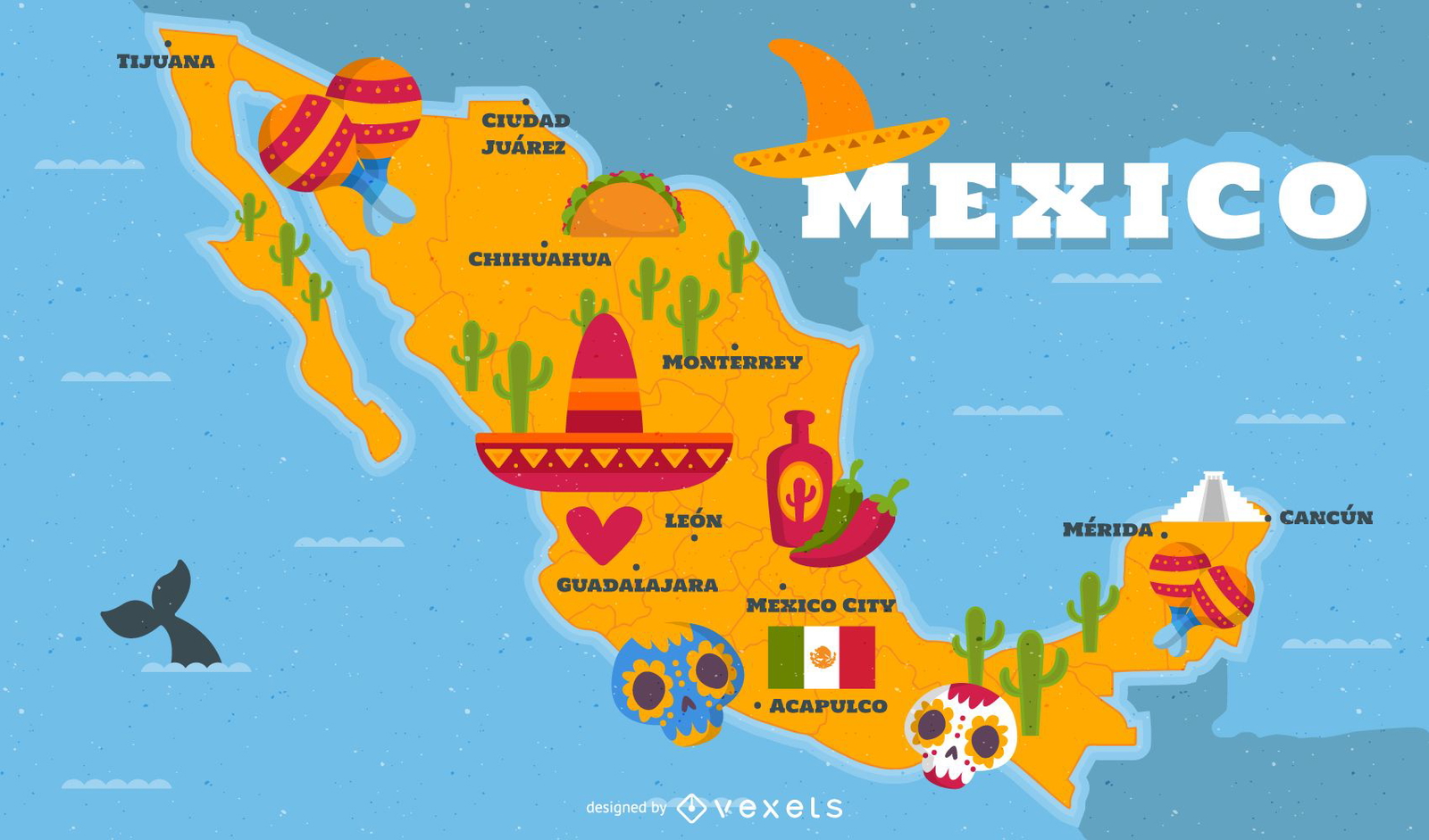
Navigating Mexico's hurricane season requires an understanding of dual-coast weather threats, peak vulnerability months, and precise emergency steps. Whether you're planning a trip to a coastal resort or monitoring regional weather patterns, knowing how storms develop across the Pacific and Atlantic basins keeps you safe.
Mexico faces distinct tropical weather threats from May through November each year. The Pacific and Caribbean coasts experience different storm frequencies, intensities, and peak impact windows, making regional awareness critical for residents and travelers alike.
Understanding Mexico's Dual-Coast Hurricane Threat
Mexico is uniquely positioned between two active tropical bodies of water: the Eastern Pacific basin and the North Atlantic/Caribbean basin. Each basin operates on a slightly different schedule, though both share a core danger period during late summer and early autumn.
The Eastern Pacific season officially runs from May 15 through November 30. Major Pacific coast destinations like Acapulco, Puerto Vallarta, and Huatulco see heightened activity during this window. Warm ocean waters off the southern coast frequently fuel rapid storm intensification.
The Atlantic and Caribbean season begins June 1 and runs through November 30. Popular tourist areas such as Cancún, Cozumel, Tulum, and the broader Yucatán Peninsula fall into this zone. While early-season storms often form closer to the coast, peak-season systems frequently originate as tropical waves off the coast of Africa, crossing the entire Atlantic before impacting Mexico's eastern shores.
Peak Months and Historical Weather Patterns
Statistical data shows that storm frequency isn't evenly distributed across the six-month season. August, September, and October account for the vast majority of major hurricane landfalls.
September stands out as the most active month for both basins combined. Sea surface temperatures reach their annual maximums during this period, and atmospheric moisture levels peak.
During the notable 2024 hurricane season, systems like Hurricane John demonstrated how quickly weather patterns can shift. John struck Mexico's southern Pacific coast twice, dumping historic levels of rainfall over Oaxaca and Guerrero. Meanwhile, systems like Hurricane Helene brushed past the Yucatán Peninsula, bringing heavy coastal squalls. These events underline why travelers shouldn't rely solely on seasonal averages.
Essential Safety Protocols Before and During a Storm
If you're in Mexico during a tropical weather event, preparation minimizes risk. Acting early prevents last-minute panic when local infrastructure strains under heavy winds and floods.
- Monitor official channels: Track updates through the National Hurricane Center and Mexico's Servicio Meteorológico Nacional. Local civil protection authorities (Protección Civil) issue color-coded alert phases that dictate mandatory precautions.
- Secure an emergency kit: Stock at least three gallons of bottled water per person, non-perishable food, flashlights with extra batteries, a portable power bank, and basic first-aid supplies.
- Identify shelter locations: Major hotels and resorts have designated hurricane shelters built to strict structural codes. If you're staying in a rental property or villa, locate the nearest municipal shelter beforehand.
- Keep documents protected: Store passports, insurance policies, and identification cards in waterproof bags or digital cloud folders accessible via mobile phone.
Common Mistakes to Avoid
Travelers and newcomers often make preventable errors when facing tropical storms in Mexico. Avoiding these missteps ensures a smoother response during severe weather.
- Ignoring early advisories: Dismissing a tropical storm warning because skies are currently clear is dangerous. Systems can intensify rapidly within a 24-hour window.
- Depending solely on mobile data: Cellular towers frequently lose power or become overloaded during heavy wind events. Keep a battery-operated or hand-crank radio handy for emergency broadcasts.
- Venturing out during the eye: When a hurricane's eye passes directly overhead, the wind drops and the sun may briefly appear. This lull is temporary; violent winds from the opposite direction will resume abruptly. Stay indoors until official all-clear announcements are given.
- Disregarding local evacuation orders: Municipal authorities understand local flood zones and storm surge risks better than visitors. Complying with evacuation directives immediately is essential.
Frequently Asked Questions
Which months carry the highest risk for travel to Mexico?
September and October experience the highest statistical frequency of major storms across both the Pacific and Atlantic basins. Travelers seeking lower weather risks often book trips between December and April.
How do Mexican resorts handle hurricanes?
Established resort properties feature robust concrete architecture designed to withstand high-velocity winds. Staff members are trained in emergency management, and properties typically maintain backup generators, emergency food supplies, and secure internal safe areas for guests.
Are flights automatically refunded during a hurricane?
Refund and change policies depend entirely on the airline and the type of ticket purchased. Many commercial airlines issue travel waivers allowing free date changes when a named storm threatens a destination airport, but standard basic economy tickets may have restrictions unless an official state of emergency is declared.
What should I do if my rental home loses power?
Stay inside and conserve phone battery usage. Refrain from opening refrigerators unnecessarily to keep food cold. If localized flooding threatens the structure, contact local emergency services or civil protection numbers provided by your rental host.


