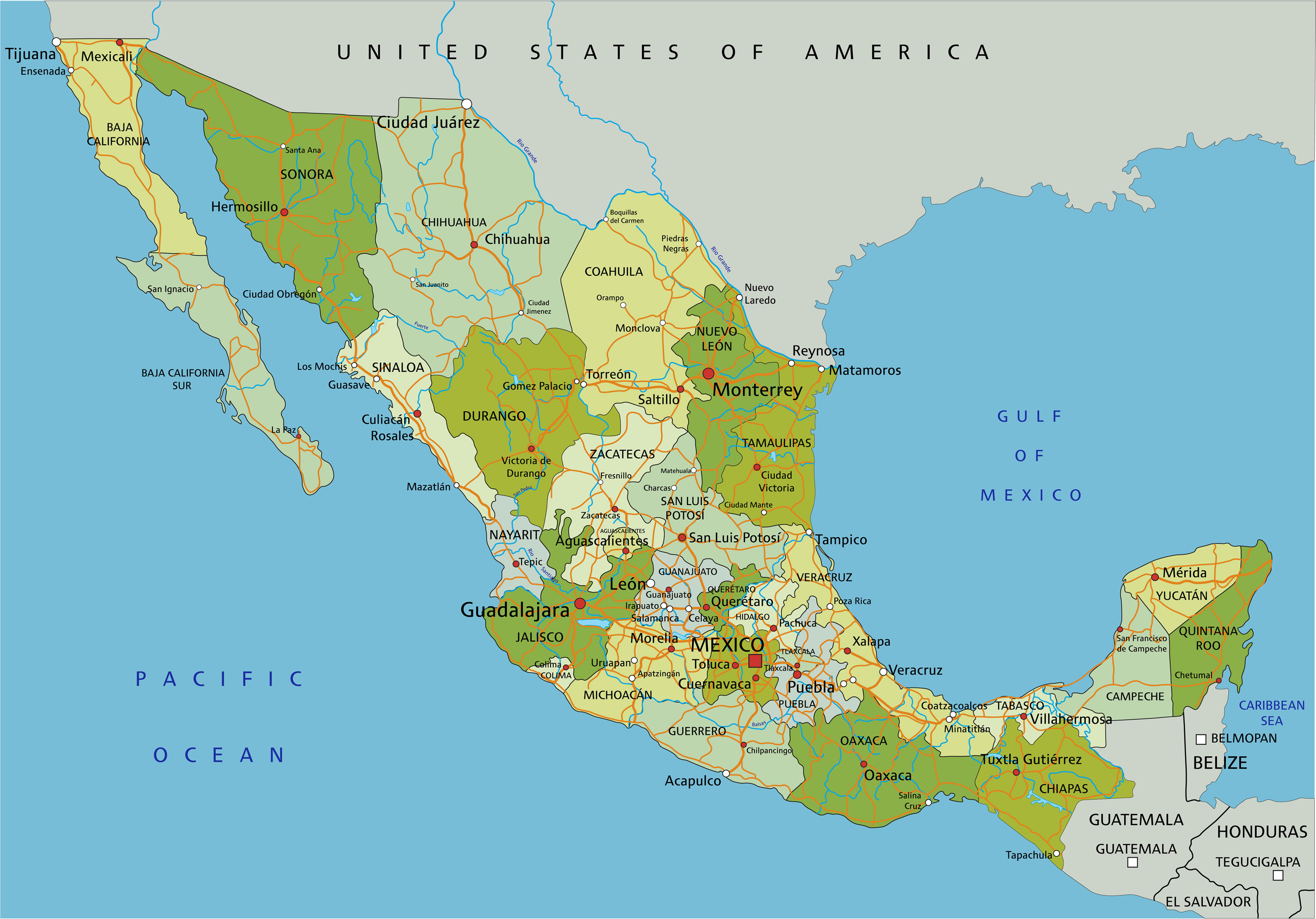
Mexico's rise as a central pillar of international commerce isn't a future projection anymore. It's a structural shift happening right now. Driven by massive waves of nearshoring and deep integration within North American supply chains, the country is capturing record levels of foreign direct investment. International companies are moving away from distant overseas production hubs, choosing instead to establish operations south of the U.S. border to secure proximity, shared time zones, and tariff protections.
This transformation brings both distinct operational advantages and complex regulatory hurdles. If you're looking at how international trade patterns are reshaping manufacturing, logistics, and industrial policy, you need to look past the surface headlines. Let's break down what's driving Mexico's economic expansion, where the bottlenecks lie, and what it takes for businesses to execute a successful market entry.
The Drivers of Mexico's Industrial Boom
The acceleration of foreign direct investment into Mexico relies on a mix of geographic, trade, and economic factors. Companies aren't just relocating to save on labor costs; they're restructuring how they build and move goods globally.
Proximity and Supply Chain Resilience
Shipping goods across oceans exposed severe vulnerabilities during past global disruptions. Shifting production to Mexico drastically cuts transit times to major consumer markets in the United States and Canada. Shorter supply lines mean less inventory trapped in transit, faster response times to market shifts, and lower carbon footprints associated with long-haul maritime shipping. Related analysis on this trend has been published by BBC.
The USMCA Framework
The United States-Mexico-Canada Agreement (USMCA) provides a legal anchor for cross-border commerce. By maintaining predictable rules of origin and preferential tariff treatment, the trade pact gives manufacturers the confidence to deploy multi-million-dollar capital investments. As trade policy reviews approach, maintaining this regulatory stability remains the primary goal for corporate planners.
- Automotive and Electric Vehicles: Traditional auto manufacturing remains a heavy hitter, while investments in EV supply chains expand.
- Electronics and Technology: Complex component assembly lines continue to migrate from Asia to northern and central Mexican industrial parks.
- Medical Devices and Pharmaceuticals: Life sciences firms favor Mexico for its specialized manufacturing clusters and medical export infrastructure.
Critical Bottlenecks Facing Expansion
Despite strong momentum, scaling operations in Mexico presents distinct operational challenges. Ignoring these risk factors during the initial planning phase can lead to costly delays.
Energy Availability and Infrastructure
Modern manufacturing plants, data centers, and advanced assembly lines require massive, uninterrupted power supplies. Certain industrial regions face grid capacity constraints and slow interconnection timelines. Companies must verify local power availability before locking down real estate. Furthermore, water availability, wastewater treatment capacity, and highway security require careful logistics planning.
Workforce and Talent Development
While Mexico boasts a large, young talent pool, advanced manufacturing demands specialized engineering depth and technical certifications. Successful market entrants partner closely with local technical schools and academic institutions to build talent pipelines rather than relying solely on existing labor markets.
Step-by-Step Guide to Market Entry and Nearshoring
If your organization is evaluating a physical or operational footprint in Mexico, following a structured framework helps mitigate compliance and financial risks.
- Define Scope and Operating Model: Determine whether you need a vendor-led contract manufacturing model, a joint venture, or a wholly-owned subsidiary (captive team) to protect your intellectual property.
- Conduct Regional Site Selection: Evaluate states based on logistical corridors, proximity to border crossings, local security, and most importantly, guaranteed access to stable electricity and water.
- Navigate Labor and Legal Compliance: Ensure full alignment with Mexican labor laws, including contractor classifications, mandatory employee benefits, and union regulations. Partner with licensed local legal counsel early.
- Establish Secure Logistics and Customs Protocols: Work with certified customs brokers and freight forwarders who understand cross-border compliance documentation to prevent hold-ups at busy ports of entry.
- Build Governance and Audit Frameworks: Set up clear reporting lines, performance metrics, and data protection policies that comply with both domestic laws and international standards.
For deeper insights into how regional trade pacts function, review the official USMCA overview. To track macroeconomic data and foreign investment flows, consult resources provided by organizations like the International Monetary Fund.
Common Mistakes to Avoid
- Treating Mexico solely as a low-cost arbitrage play: Focusing exclusively on wages often backfires if you ignore infrastructure readiness, quality control, and logistics management.
- Underestimating energy interconnection timelines: Assuming power will be ready on demand leads to idle facilities. Always secure power permits upfront.
- Skipping local compliance partnerships: Trying to manage Mexican tax, labor, and environmental laws without seasoned local experts creates severe downstream liabilities.
Frequently Asked Questions
Is nearshoring to Mexico still growing?
Yes. Capital investment remains strong, driven by companies seeking supply chain security closer to North American end markets. However, future expansion increasingly depends on localized infrastructure upgrades and energy reform.
What sectors are attracting the most foreign direct investment?
Automotive manufacturing, electric vehicle components, electronics, data centers, medical devices, and high-value agribusiness lead the growth metrics.
How do trade agreements impact manufacturing in Mexico?
Agreements like the USMCA provide predictable tariff structures and rules of origin, making it financially viable for companies to build long-term, integrated supply chains across North America rather than relying on volatile intercontinental shipping lanes.
What are the main risks for new international entrants?
Energy bottlenecks, water scarcity in specific manufacturing zones, complex local labor laws, and logistics security remain the primary variables that companies must manage during site selection.



