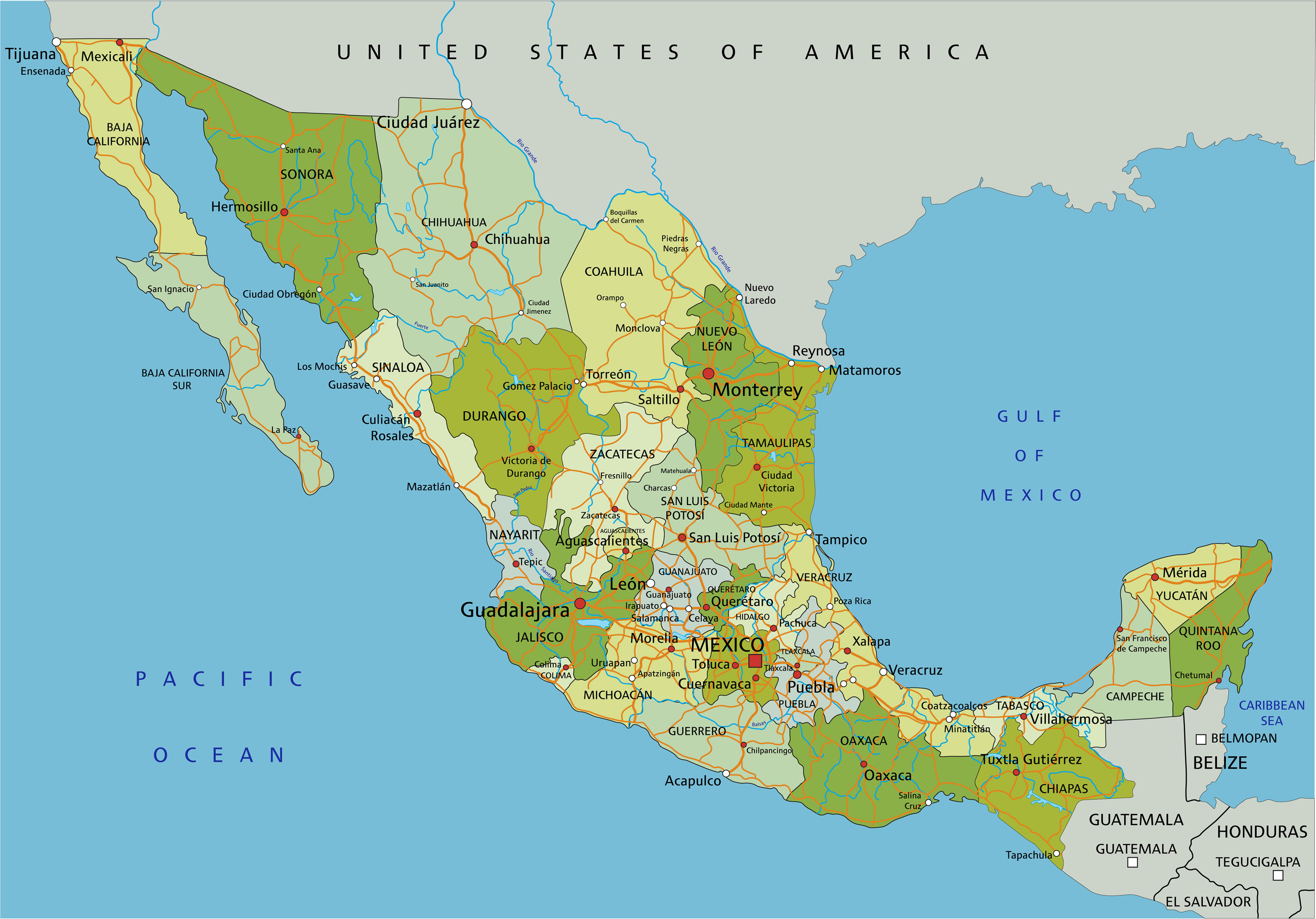
Mexico's dual push for rapid industrial expansion and stricter environmental regulations has triggered intense national debate. As nearshoring accelerates and manufacturing hubs grow, the federal government faces mounting pressure to balance economic development with binding climate commitments. Navigating this shift requires understanding how new compliance frameworks impact corporations, energy infrastructure, and regional development.
Recent policy updates, including the Special Climate Change Program (PECC) and adjustments to the national energy framework, outline ambitious emissions targets. Yet, industrial sectors heavily reliant on fossil-based power argue that rigid mandates threaten operational scalability. This tension highlights a critical question for stakeholders: can industrial growth coexist with ecological accountability under current regulatory frameworks?
Core Drivers of Mexico's Environmental Policy Shift
The intersection of trade agreements, international climate treaties, and domestic industrial policy shapes how environmental rules are written and enforced. Mexico's legal structure relies on a mix of federal mandates overseen by the Secretariat of Environment and Natural Resources (SEMARNAT) and broader economic plans like Plan México.
The Role of Nearshoring and Manufacturing Hubs
Nearshoring trends bring a massive influx of foreign direct investment into northern border states and central industrial corridors. Factories, assembly plants, and logistics parks require substantial water, electricity, and land use clearances.
- Water Resource Scarcity: Industrial clusters in arid regions face strict oversight regarding water extraction and wastewater discharge.
- Air Quality and Emissions: Regional authorities monitor volatile organic compounds and particulate matter from manufacturing plants.
- Permitting Bottlenecks: Environmental Impact Assessments (EIAs) dictate whether industrial projects receive authorization to break ground.
Integration of the Emissions Trading System
Mexico's transition toward market-based climate mechanisms involves operationalizing its domestic Emissions Trading System (ETS). This system targets high-emitting sectors, setting caps on greenhouse gases and creating compliance obligations. Corporations failing to manage their carbon output face direct financial penalties or must purchase offsets from approved domestic projects.
Tensions Between Industrial Expansion and Climate Targets
The core debate centers on conflicting state priorities. On one hand, economic development packages encourage domestic production, manufacturing substitution, and infrastructure buildout. On the other hand, international watchdogs note that fossil gas dependence in electricity generation undermines Paris Agreement alignment.
Industrial Growth Objectives  <--->  Environmental Compliance Mandates
[Nearshoring & Tax Incentives]        [Emissions Caps & Water Permits]
              \                         /
               v                       v
          Policy Friction & Corporate Strategy Adjustments
Energy Infrastructure Realities
The national power sector remains heavily reliant on fossil fuels, with fossil gas supplying a dominant share of electricity generation. While recent legal frameworks incorporate clean energy provisions, definitions often retain fossil gas-fired generation under broader clean labels. This policy choice cushions industrial energy consumers from immediate supply shocks but slows down the structural pivot to wind and solar infrastructure.
Financial Hurdles for Net-Zero Goals
Reaching aggressive decarbonization targets requires massive capital mobilization. Analysts estimate that achieving significant emissions reductions and expanding clean electricity generation demands billions in annual private and public investment. Without robust financial mechanisms and transparent governance structures, smaller firms struggle to absorb the costs of retrofitting legacy facilities.
Compliance Frameworks for Operating Businesses
Companies expanding or maintaining operations in Mexico must navigate complex administrative requirements to avoid legal exposure. Regulatory compliance extends well beyond initial facility setup.
- Environmental Impact Assessments: Submitting comprehensive EIAs to SEMARNAT before initiating land modification or large-scale construction.
- Waste Management Protocols: Categorizing, storing, and disposing of hazardous and non-hazardous industrial waste through authorized handlers.
- Emissions and Water Reporting: Filing regular reports on resource consumption, wastewater output, and air emissions to maintain active operational status.
- Standardization Alignment: Complying with Official Mexican Standards (NOMs) overseen by the Secretariat of Economy and quality infrastructure programs.
For deeper insights into bilateral trade frameworks affecting these operations, review the U.S. Department of State Investment Climate Statement. Additional updates on ecological compliance and corporate responsibilities are regularly tracked by resources like NAPS Mexico Manufacturing News.
Common Mistakes in Regulatory Navigation
Many incoming enterprises stumble due to a lack of local administrative foresight. Avoiding these missteps protects profit margins and ensures long-term viability.
- Treating Permits as a Checklist Item: Assuming that environmental permits are mere formalities rather than rigorous, time-intensive legal approvals.
- Overlooking Municipal Jurisdictions: Focusing solely on federal SEMARNAT requirements while ignoring state and municipal environmental taxes or zoning laws.
- Failing to Track Supply Chain Footprints: Neglecting upstream emissions and waste generation, which increasingly fall under corporate social responsibility scrutiny.
- Underestimating Water Rights Vulnerabilities: Failing to secure stable water concessions, leaving facilities exposed during regional drought restrictions.
Frequently Asked Questions
What triggers an Environmental Impact Assessment in Mexico?
An EIA is mandatory for any project involving significant land use changes, industrial construction in regulated zones, or operations with potential high-impact emissions and waste generation. The Secretariat of Environment and Natural Resources reviews these filings before project authorization.
How do new climate measures affect existing manufacturing plants?
Existing facilities must monitor updates to emissions thresholds, hazardous waste tracking, and water discharge limits. Companies operating in high-emission sectors face gradual integration into compliance carbon markets and stricter reporting standards.
Can foreign businesses qualify for green energy incentives?
Yes. Federal and state frameworks provide tax deductions and fiscal incentives for qualifying investments in renewable energy infrastructure, energy efficiency upgrades, and circular economy practices.
What is the primary challenge for Mexico's clean energy transition?
The main challenge involves balancing the rapid power demands of industrial growth with the slow phase-out of fossil fuels in the national electricity grid. High reliance on fossil gas complicates immediate decarbonization timelines.



