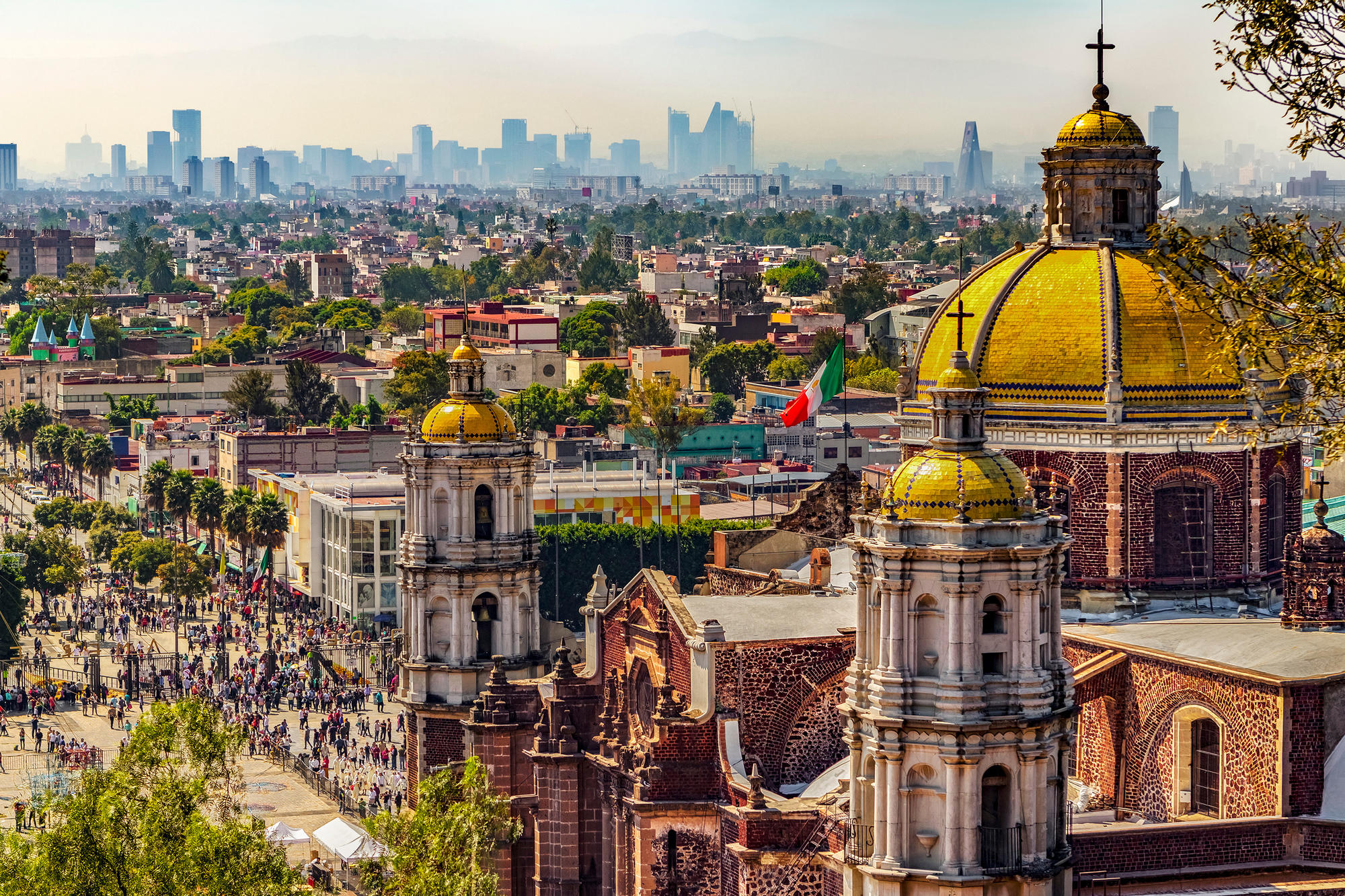
Mexico City in November offers some of the most comfortable weather of the entire year, combining crisp blue skies, mild daytime temperatures hovering around 22°C to 23°C (72°F to 73°F), and the tail end of the rainy season. As summer downpours give way to dry conditions, the high-altitude valley clears up, often revealing striking views of nearby volcanoes like Popocatépetl. While afternoons are pleasantly warm for walking, elevations of 2,240 meters mean temperatures drop sharply after sunset, frequently chilling to 8°C to 10°C (46°F to 50°F) by night.
Visiting during this month places you right at the intersection of perfect outdoor sightseeing weather and major cultural milestones, most notably the concluding events of Día de los Muertos. Navigating the capital successfully requires understanding how this unique mountain climate shifts throughout the day, where to find the best seasonal atmosphere, and what specific gear belongs in your suitcase.
Understanding November Climate Patterns in the Valley
The central plateau climate behaves differently from coastal Mexican destinations. November marks a definitive transition month where atmospheric humidity drops significantly and rainfall events become rare.
Daytime Warmth Versus Nighttime Chill
During peak afternoon hours, solar radiation feels intense under clear skies. You'll comfortably explore neighborhoods like Roma, Condesa, or the Historic Center wearing a t-shirt or light shirt. However, the moment shadows lengthen across colonial plazas, the temperature plunges. Relying solely on daytime weather apps will leave you shivering by dinner time, as night lows routinely dip below 10°C.
Rainfall and Wind Dynamics
Heavy, multi-day storms are virtually nonexistent by November. Precipitation totals drop to minimal levels across the month, usually restricted to an occasional brief shower during the first week or two. Gusty winds are uncommon, though occasional dry air fronts can create brisk conditions in open public squares like the Zócalo or atop Teotihuacan pyramids.
Cultural Highlights and Seasonal Atmosphere
Beyond the climate, November shapes the cultural rhythm of the metropolis. Early month celebrations draw massive crowds to central avenues and neighborhood panteones (cemeteries), transforming streets into living galleries of marigolds (cempasúchil) and incense.
Navigating Día de los Muertos Aftermath
While the official holiday peaks on November 1st and 2nd, festive altars (ofrendas) remain displayed in museums, hotel lobbies, and municipal buildings for several days afterward. Visiting major cultural hubs like Coyoacán or Xochimilco during this window offers a vibrant look at local traditions without the absolute peak congestion of the exact holiday dates.
The Shift to Calm Autumn Seafaring
By the second week of the month, the city settles into a quieter, highly walkable rhythm. Sidewalk cafes fill up, museum courtyards stay comfortable throughout the afternoon, and open-air markets overflow with seasonal produce, including hawthorn fruits used for traditional ponche.
Precise Packing Tips for High-Altitude Travel
Packing for Mexico City in November requires a strategic layering approach. Because you will experience two distinct seasons within a single twelve-hour window, standard vacation clothing formulas fail.
- Base layers: Pack breathable short-sleeve shirts or light blouses for warm afternoon walks. Synthetic or lightweight cotton blends work best to manage urban heat.
- Warm insulation: Bring at least two versatile sweaters, fleece jackets, or wool cardigans. You will need them starting around 6:00 PM every single evening.
- Outer protection: A wind-resistant jacket or lightweight trench coat handles chilly nighttime breezes and the rare residual drizzle. Heavy winter parkas remain unnecessary.
- Footwear: Prioritize broken-in walking shoes or leather boots. Historic neighborhoods feature uneven cobblestones, cracked concrete, and deep metro station stairwells that test flimsy footwear.
- Sun accessories: High altitude means stronger UV exposure. Pack polarized sunglasses, a wide-brimmed hat, and reef-safe sunscreen for outdoor excursions.
Common Mistakes to Avoid
Travelers often miscalculate the variables of a high-altitude urban environment, leading to avoidable discomfort during their stay.
- Underestimating the temperature drop: Assuming Mexico is universally warm leads many visitors to step out in shorts and t-shirts at night, resulting in cold misery once the sun sets behind the mountains.
- Ignoring hydration needs: The combination of dry November air and an elevation of 2,240 meters accelerates dehydration. Carry a reusable water bottle and drink consistently before headaches set in.
- Over-packing heavy winter gear: You do not need thermal underwear, heavy scarves, or ski caps. Temperatures rarely approach freezing.
- Neglecting altitude acclimation: Walking briskly up steep inclines on your first day can cause mild dizziness. Pace yourself during your initial 48 hours in the valley.
Frequently Asked Questions
Can I swim in outdoor hotel pools in November?
Most unheated hotel pools feel uncomfortably brisk in November because morning air temperatures and night lows cool the water down. Unless a pool is solar-heated or indoors, swimming is rarely pleasant during this month.
How crowded is Mexico City during November?
The first three days of the month experience heavy domestic and international tourism due to holiday festivities. From November 5th onward, crowds drop dramatically, settling into a comfortable shoulder-season pace with shorter lines at major sites like the National Museum of Anthropology.
Is public transportation affected by seasonal weather?
No. Unlike the torrential summer downpours that occasionally flood major avenues or disrupt metro lines, November weather rarely impacts transit infrastructure, making the Metro and Metrobus systems entirely reliable.
What local foods are specific to this time of year?
Beyond lingering pan de muerto, look for seasonal street snacks featuring sweet potato and pumpkin preserves (camotes y calabaza en tacha), alongside hot spiced fruit punches sold in traditional neighborhood markets.


