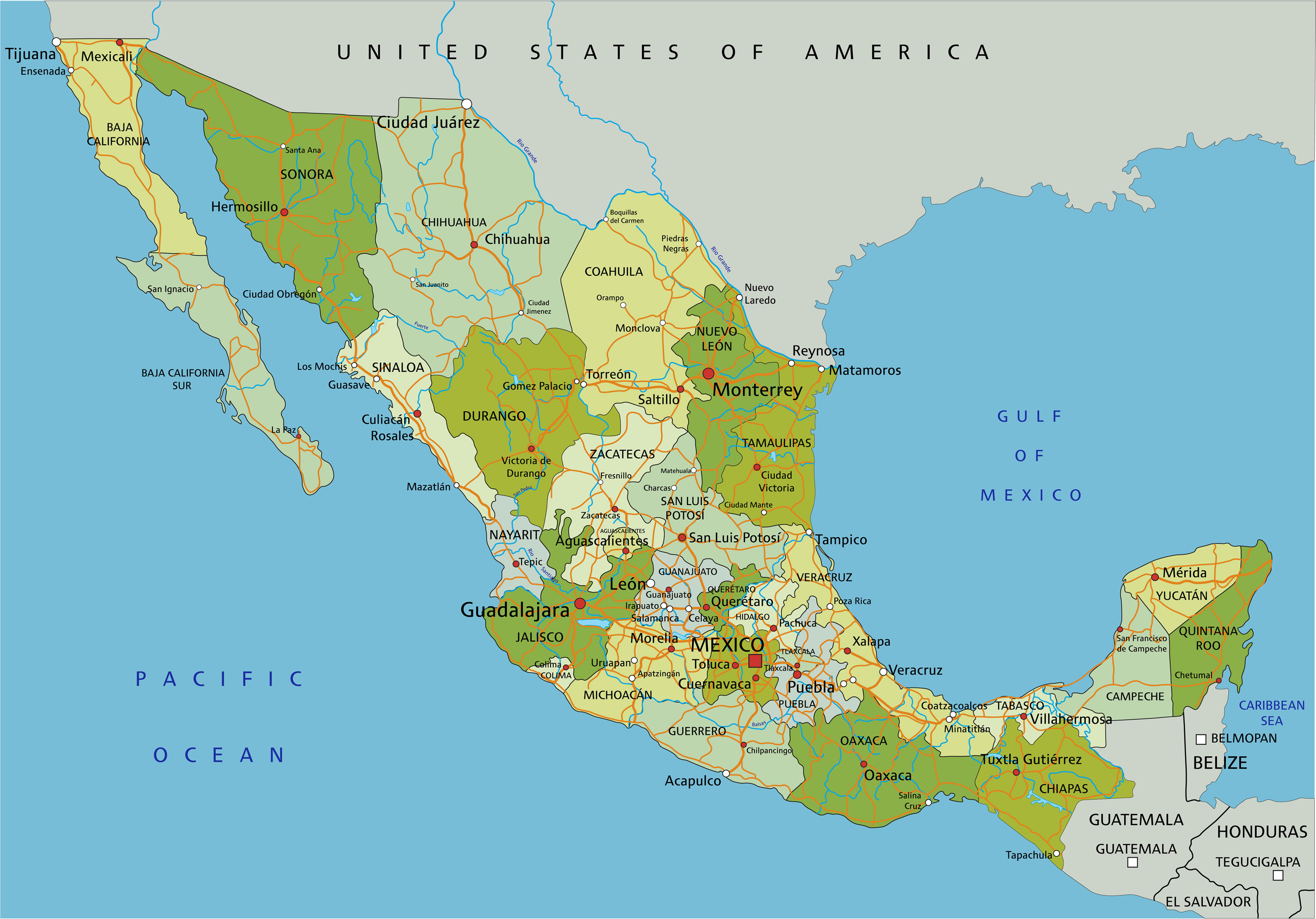
Managing cross-border schedules between major financial and cultural hubs requires precision, especially when shifts in daylight saving rules alter standard offsets. For most of the year, the Mexico City time zone sits two hours behind New York, meaning a morning routine in Manhattan starts while the Mexican capital is still waking up. However, discrepancies in how and when daylight saving time is observed create tricky windows for international teams, remote workers, and logistics managers.
Understanding these differences prevents missed meetings, misaligned financial market trades, and communication breakdowns. Whether you're coordinating supply chains or booking international client calls, tracking the exact mechanics of these regional clocks keeps operations running smoothly.
Core Time Zone Mechanics
New York operates on Eastern Time, shifting between Eastern Standard Time (EST, UTC-5) and Eastern Daylight Time (EDT, UTC-4). Mexico City, by contrast, abolished daylight saving time for most regions in late 2022, sticking primarily to Central Standard Time (CST, UTC-6), though specific northern border regions follow US clock changes.
Because of these policy shifts, the offset fluctuates depending on the time of year. During the months when New York observes daylight saving time—from mid-March to early November—New York is two hours ahead of Mexico City. When New York falls back to standard time in November, the gap narrows to just one hour until spring arrives.
Check official tracking tools like Time and Date to verify active offsets before scheduling critical events across borders.
Impact on Business Operations and Financial Markets
The numerical gap directly dictates the overlap of working hours between the two cities. A standard corporate workday running from 9:00 AM to 5:00 PM creates distinct collaboration windows depending on the season:
- Daylight Saving Period (2-Hour Gap): New York teams start their day at 9:00 AM EST/EDT while Mexico City colleagues log on at 7:00 AM CST. The shared workday spans from 9:00 AM to 5:00 PM in New York, which translates to 7:00 AM to 3:00 PM in Mexico City.
- Standard Time Period (1-Hour Gap): When New York shifts back to UTC-5, a 9:00 AM start in New York lines up with 8:00 AM in Mexico City, expanding the synchronized afternoon window.
Financial institutions must navigate these shifts carefully. The New York Stock Exchange operates on Eastern Time, meaning Mexican traders must adjust their strategies to match opening and closing bell schedules that shift relative to local Mexican clocks twice a year.
Managing Logistics and Deadlines Remotely
Working across these regions requires intentional habits to avoid confusion over deadlines. Relying on vague terms like "noon" or "close of business" invites errors.
- Always specify the timezone abbreviation (such as EST or CST) in calendar invites rather than relying on local auto-conversions, which occasionally glitch across international borders.
- Build buffer times into software deployments or document handoffs, keeping the shifting one-to-two-hour window in mind.
- For recurring weekly meetings, review calendar software settings semi-annually to ensure daylight saving transitions don't accidentally push meeting times into inconvenient early-morning hours for Mexican participants.
Common Scheduling Mistakes
Failing to account for policy differences leads to predictable friction. One frequent error is assuming both regions share identical daylight saving schedules. Since Mexico federalized its decision to scrap seasonal clock changes, US-based companies often find their automated scheduling tools miscalculating meeting slots during the transitional weeks in March and November.
Another mistake involves customer service staffing. Companies routing support tickets from New York customers to teams in Mexico City must account for the earlier shutdown of the Mexican workday when the two-hour gap is active. A 5:00 PM closing time in Mexico City is only 7:00 PM in New York, cutting off evening support hours earlier than domestic US customers expect.
Frequently Asked Questions
What is the current time difference between Mexico City and New York?
The time difference is typically two hours, with New York sitting ahead of Mexico City. However, this drops to one hour during the winter months when New York observes standard time and Mexico City remains on its permanent standard time.
Does Mexico City observe daylight saving time?
No. Mexico eliminated daylight saving time federally in late 2022, meaning clocks in Mexico City do not change in the spring or autumn anymore, unlike standard US practices.
How do I schedule a meeting between both cities without errors?
Use UTC or explicit timezone labels (like Eastern Time and Central Standard Time) in all calendar invitations. Double-check your scheduling software during March and November to ensure the seasonal transitions process correctly.
Do financial markets in Mexico City open at the same time as New York?
No. Because of the time zone offset, Mexican financial markets open and close earlier relative to New York clock times, requiring local traders to adapt their daily routines accordingly.



