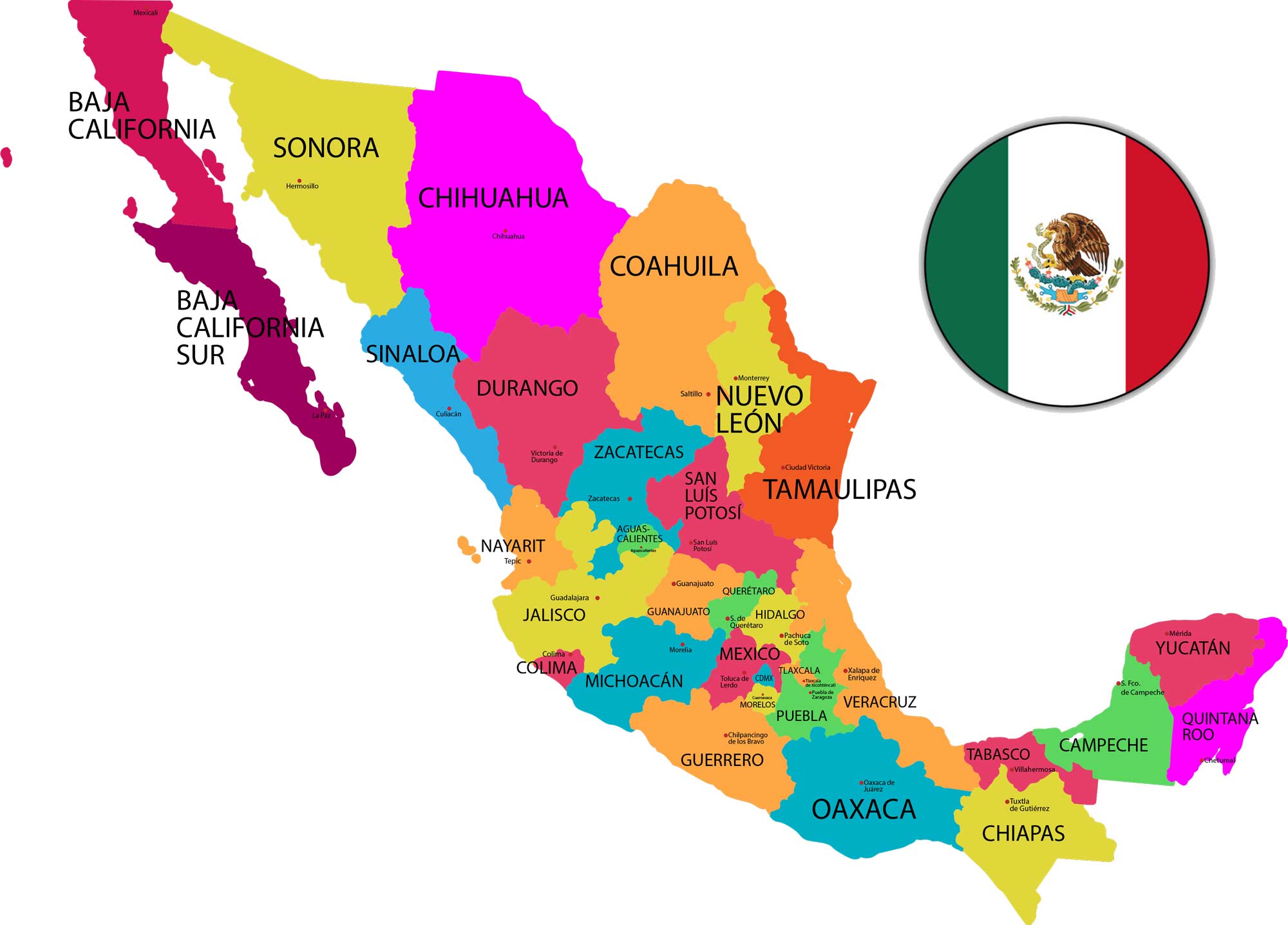
Driving from Mexico City to the United States border is a massive cross-country journey that takes you across varying terrain, desert highways, and major federal corridors. Whether you're heading toward Texas, Arizona, or California, mapping out the route correctly saves you hours of delays and mechanical headaches on isolated stretches of highway.
The straight-line distance is roughly 560 to 700 miles depending on your chosen exit point, but actual driving mileage climbs significantly higher. To reach the closest major Texas border crossings like Laredo or Brownsville, expect a road distance of roughly 690 to 750 miles. If you target western checkpoints like Nogales or Tijuana, the driving distance stretches well past 1,500 to 2,100 miles, requiring multiple days behind the wheel.
Primary Driving Routes to the US Border
Choosing the right corridor depends entirely on which US destination you want to reach. The central highway network funnels most northbound traffic through key arterial toll roads known as cuotas.
The Central Texas Route via Laredo
The most popular and direct route from Mexico City to the border leads north toward Nuevo Laredo and Laredo, Texas. You'll typically head out of Mexico City via Highway 57D, passing through Querétaro, San Luis Potosí, and Matehuala before hitting Saltillo and Monterrey. From Monterrey, Federal Highway 85D connects straight to the international bridge crossings at Laredo. Further analysis by AFAR highlights related views on this issue.
- Total Distance: Approximately 690 miles (1,110 kilometers).
- Estimated Drive Time: 12 to 14 hours of continuous driving, though it's smart to split this into a two-day trip.
- Road Quality: Mostly multi-lane divided toll highways (cuotas) with good service stations, though certain stretches near industrial hubs experience heavy freight truck traffic.
The Western Corridor toward Nogales or Tijuana
If your journey takes you toward Arizona or California, you'll head northwest out of Mexico City toward Guadalajara, then follow the Pacific coastal highway corridor northward through Mazatlán, Culiacán, and Hermosillo before reaching Nogales. Continuing onward to Tijuana requires navigating Mexicali and the grueling La Rumorosa mountain pass.
- Total Distance to Nogales: Roughly 1,250 miles (2,010 kilometers).
- Estimated Drive Time: 22 to 24 hours of total seat time, requiring at least two overnight stops.
- Road Quality: Highly variable. Coastal sections are well-paved toll roads, but remote desert sectors demand extra caution, reliable tires, and full fuel tanks.
Managing Tolls, Gas, and Vehicle Requirements
Driving across Mexico requires strict preparation regarding cash flow, fuel logistics, and legal paperwork.
Budgeting for Tolls and Fuel
Mexico's federal toll roads (cuotas) are significantly faster and safer than free roads (libres), but they add up quickly.
- Keep plenty of physical Mexican pesos on hand. Many toll booths don't reliably accept foreign credit cards, and cash keeps things moving.
- Download offline maps before you leave Mexico City, as cellular service drops frequently in mountain passes and desert valleys.
- Fill up your gas tank whenever you drop below half a tank, especially in northern desert regions where stations can be an hour apart. Pemex and newer branded stations accept cards, but cash is always a reliable backup.
Essential Vehicle Documentation
If you're driving a foreign-plated vehicle south of certain border zones, you need a Temporary Import Permit (TIP). However, if you're starting in Mexico City and driving north to exit Mexico, ensure your vehicle registration, local insurance, and personal identification are entirely up to date. When you cross back into the United States, U.S. Customs and Border Protection (CBP official site) agents will inspect your passport, visa or passport card, and check for any restricted agricultural products.
Practical Safety and Timing Strategies
Long-distance Mexican highway travel requires a proactive approach to timing and daily scheduling.
- Never drive at night. Plan your daily legs so you arrive at your hotel well before sunset. Highway hazards, unlit livestock, and security considerations make nighttime driving across remote stretches a major risk.
- Use secure parking. When booking hotels along the route, verify that they offer enclosed, gated parking or a secure private lot for your vehicle overnight.
- Inspect your vehicle beforehand. Check tire tread depth, brake pads, and cooling systems in Mexico City before setting off. Summer desert temperatures push engines to their absolute limits.
Frequently Asked Questions
How long does it actually take to drive from Mexico City to the border?
Reaching the closest border crossing in Laredo takes about 12 to 14 hours of pure driving time. Most experienced travelers break this specific leg into a comfortable two-day drive with an overnight stop in a city like Saltillo or Monterrey.
Are Mexican toll roads safe for foreign drivers?
Yes, major federal toll roads (cuotas) are generally safe, well-maintained, and patrolled by federal highway forces. Stick to these paid routes during daylight hours rather than taking older, unpaved free roads (libres).
What documentation do I need to cross back into the United States?
You need a valid U.S. passport, passport card, or an approved trusted traveler document like a SENTRI card. Ensure you don't carry prohibited agricultural items such as fresh citrus fruits or unauthorized meats, which trigger heavy fines at U.S. checkpoints.
Should I use the free roads to save money?
No. Free roads (libres) feature countless speed bumps (topes), severe potholes, local traffic, and higher security risks. Paying for the cuotas is well worth the investment for safety and speed.


