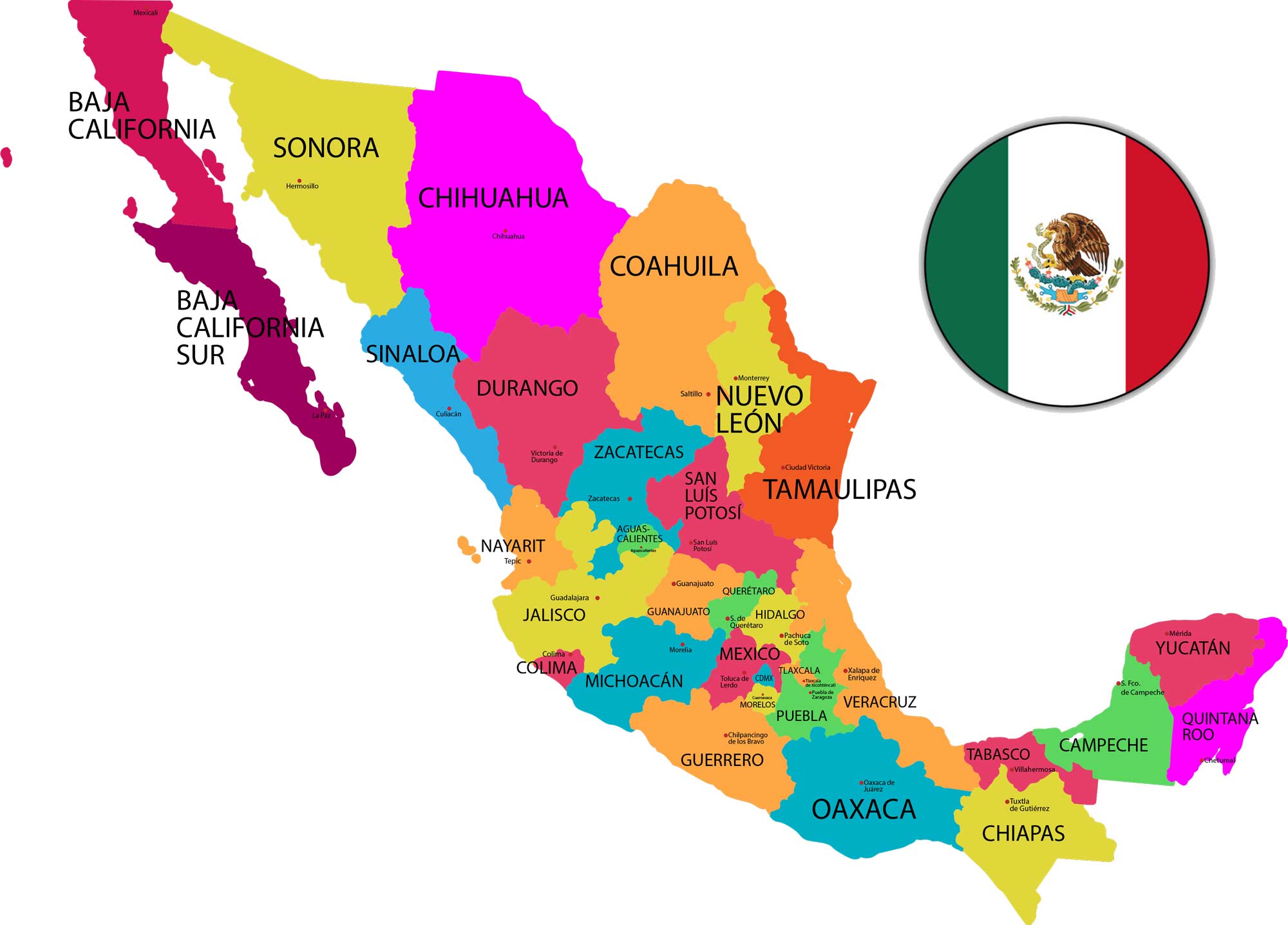
Mexico City's long-running aviation crisis took a sharp turn when the multibillion-dollar construction project at Texcoco was scrapped in late 2018. Instead of getting a state-of-the-art international hub designed to replace the overcrowded Benito Juárez International Airport (AICM), citizens watched a partially built airfield get dismantled. President Andrés Manuel López Obrador halted the Texcoco development, citing rampant corruption, high maintenance costs, and environmental damage to the former lakebed.
The cancellation reshaped national infrastructure spending and divided public opinion. Rather than completing the Texcoco hub, the administration pivoted to building the Felipe Ángeles International Airport (AIFA) at a military base north of the city. This shift left billions in wasted investments, triggered hefty payouts to bondholders, and created ongoing logistical hurdles for travelers dealing with a fragmented airport system.
The Rise and Fall of the Texcoco Project
Plans for a massive new aviation hub gained serious traction because Benito Juárez International Airport hit a saturation ceiling. Operating with two closely spaced runways that couldn't handle simultaneous takeoffs and landings, AICM struggled to serve millions of annual passengers.
In 2014, the federal government officially announced the New Mexico City International Airport (NAICM) to be built in the municipality of Texcoco. High-profile architects designed a striking, X-shaped terminal meant to handle up to 125 million passengers annually.
- Initial budget: Projected at roughly 169 billion pesos.
- Physical progress: Construction reached over thirty percent completion by late 2018.
- Environmental concerns: Critics argued that building on the soft clay of the former Lake Texcoco bed would cause severe engineering challenges and drainage issues.
Despite billions already spent, incoming leadership moved quickly to cancel the project. A controversial public referendum—participated in by a fraction of the national electorate—served as the political justification for abandoning the site.
Why the Cancellation Shocked Markets and Airlines
Stopping a massive infrastructure project mid-stream is rare and expensive. Investors who bought international bonds to fund the Texcoco development panicked. To avoid a default, the government had to restructure financial commitments and redirect future passenger fees from AICM to pay off bondholders, creating a lingering financial shadow.
Airlines operating in Latin America also voiced frustration. They had invested time and resources into aligning their flight schedules with the promised capacity expansion at Texcoco. Instead of a centralized mega-hub, carriers faced a fractured landscape where operations had to remain split or move to distant alternatives.
Enter AIFA: The Alternative Solution
To replace Texcoco, the administration turned to Santa Lucía, a military air base located roughly 45 kilometers north of downtown Mexico City. Built quickly with the help of the Mexican military, the Felipe Ángeles International Airport (AIFA) opened in March 2022.
However, AIFA faced immediate hurdles that persist today:
- Distance and Accessibility: Travelers frequently complain about the long transit times required to reach AIFA from central neighborhoods, especially during peak traffic hours.
- Passenger Volume: For years, passenger numbers lagged far behind projections because major international carriers preferred maintaining routes out of the closer AICM.
- Cargo Mandates: To boost traffic, the federal government issued a decree forcing cargo-only airlines to shift their operations from AICM to AIFA.
According to reports from El País, adjustments continue as authorities negotiate international routes and attempt to streamline air traffic slots across the metropolitan area.
What Happened to the Texcoco Site?
Instead of leaving concrete ruins in the desert landscape, the government chose an ecological restoration path. In 2020, officials announced plans to convert the twelve-thousand-hectare area into a massive public space known as the Lake Texcoco Ecological Park.
This project aims to restore local hydrology, improve air quality, and provide a buffer against regional water shortages. The area officially opened as a protected natural and recreational zone, closing the book on commercial aviation dreams for that specific basin.
Common Mistakes in Understanding the Mexico City Airport Shift
Many casual observers misinterpret the timeline or the financial mechanics behind the transition. Here are a few common points of confusion to clear up:
- Assuming no airport was built: People often think Mexico spent billions and got nothing. In reality, money was redirected to build AIFA, alongside the ecological park.
- Ignoring the debt burden: The cancellation didn't erase costs; taxpayers and airport users continued paying off financial obligations tied to the abandoned Texcoco contracts for years.
- Viewing it purely as an engineering debate: While soil mechanics at Lake Texcoco were genuinely difficult, the primary driver for the cancellation was political strategy rather than pure logistics.
Frequently Asked Questions
Why was the Texcoco airport project canceled?
The project was halted due to a combination of political opposition, concerns over high construction costs, and environmental worries regarding the soft lakebed. The incoming administration held an unofficial public consultation that favored cancellation.
Is Benito Juárez International Airport still operating?
Yes, AICM remains the primary commercial hub for Mexico City, though it handles heavy congestion and required ongoing structural maintenance and terminal upgrades.
How far is Felipe Ángeles International Airport from downtown Mexico City?
AIFA sits roughly 45 kilometers north of the city center. Depending on traffic conditions, travel times by car or bus can easily stretch past an hour and a half.
Can the Texcoco airport project ever be restarted?
Political figures have occasionally debated reviving the site, but experts consider it economically unviable. The land has since been designated as a protected ecological park and water management basin, making a future airport construction project virtually impossible.


