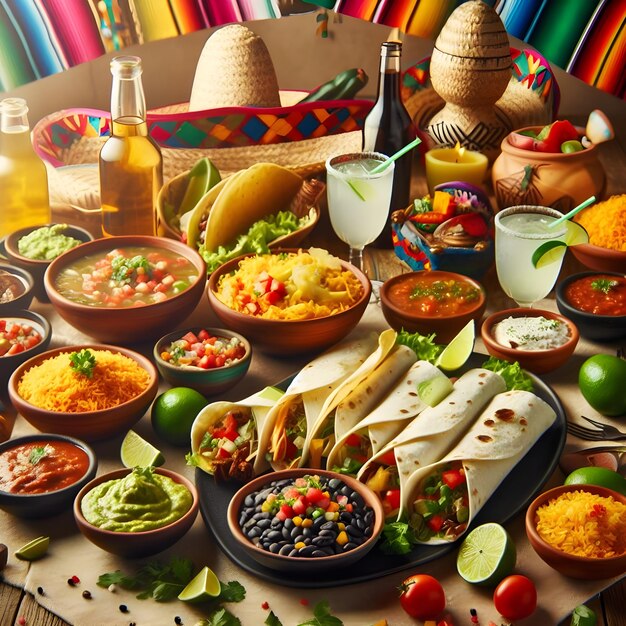
Finding authentic ingredients for Mexican cooking transforms basic weeknight dinners into complex, deeply flavorful meals. Standard supermarkets stock generic salsa and flour tortillas, but they rarely carry dried guajillo chiles, fresh epazote, or blocks of authentic quesillo. Locating specialized neighborhood shops gives you access to the foundational elements that make regional Mexican cuisine distinct.
When you search for Mexican grocery stores near me, knowing what to look for saves time and prevents wasted trips. Independent tiendas, local mercados, and community-operated carnicerías supply imported dry goods, fresh produce, and specialized butcher cuts that national chains ignore. Here is how to track down these shops, decode their inventory, and stock your kitchen with real ingredients.
Finding Local Mexican Markets Beyond Mainstream Maps
Big mapping apps often miss small, independent neighborhood stores that operate under alternative names. Many authentic shops don't register under corporate search terms, making local discovery a bit more nuanced.
- Search for alternative keywords: Try terms like tienda, mercado latino, carnicería, or cremería instead of just the literal phrase.
- Check community hubs: Look near public transit centers, residential neighborhoods with high immigrant populations, or strip malls anchored by Spanish-language bakeries.
- Inspect storefront clues: Hand-painted signs advertising fresh carnitas, money transfer services, or phone card refills usually signal an authentic grocery stocked with imported goods.
- Utilize word of mouth: Ask local Mexican restaurant owners or staff where they source their specialty ingredients. They frequently buy from the same regional distributors and wholesalers.
You can also check resources like MexGrocer for specialty dry goods if a physical brick-and-mortar storefront isn't located nearby.
Essential Aisles and Hard-to-Find Ingredients
Once you walk into a dedicated Mexican market, the inventory centers on a few core categories that define the culinary tradition. Recognizing these items helps you build an authentic pantry.
Dried Chiles and Spices
The dried chile section is the heart of any true Mexican market. Bins or hanging bags of ancho, guajillo, pasilla, and chipotle peppers are essential for making complex adobos and salsas. Look for chiles that remain pliable rather than brittle, which indicates proper storage and freshness. You will also find whole Mexican oregano, fresh-ground canela (Ceylon cinnamon), and whole pods of dried epazote.
Fresh Produce and Herbs
Standard grocery stores rarely carry true Mexican produce staples. True specialty shops stock whole fresh nopales (prickly pear cactus pads), tomatillos in their husks, fresh banana leaves for tamales, and multiple varieties of fresh chiles like serrano, habanero, and poblano. Look for fresh herbs like culantro, hoja santa, and epazote, which provide distinct herbal notes absent in standard grocery chains.
Specialty Dairy and Cheeses
Skip the generic grocery store cheddar for Mexican recipes. Authentic markets carry fresh cheeses meant for melting or crumbling.
- Queso Fresco: Mild, milky, and slightly salty, perfect for crumbling over black beans or tostadas.
- Queso Oaxaca: A string cheese style that melts into stretchy perfection for quesadillas.
- Crema Mexicana: A rich, cultured cream that is thinner and less sour than American sour cream, ideal for balancing spicy dishes.
Navigating the Carnicería and Tortillería
The most rewarding sections of a local mercado are often the fresh counters, where food is prepared daily using traditional methods.
The Butcher Counter
A traditional carnicería offers custom cuts that standard butchers won't recognize. Ask for carne asada cut thin from flap or skirt steak, longaniza (spiced pork sausage), or pork shoulder cut specifically for carnitas. Many counters also sell beef tongue (lengua), tripe, and pork skin for chicharrón.
Fresh Tortillas
Never skip the tortilla warmers or coolers. Local shops often sell warm, freshly pressed corn tortillas made daily from masa harina, or unrolled raw flour tortillas that puff up when you cook them at home on a hot comal. These fresh varieties contain minimal preservatives and have a rich, toasted corn aroma that packaged supermarket versions lack.
Common Mistakes When Shopping for Mexican Ingredients
Shopping for specialized ingredients requires a shift in how you check labels and storage conditions. Avoid these common pitfalls to ensure your food tastes authentic.
- Buying brittle dried chiles: If chiles snap instantly and look faded gray, they are old and have lost their essential oils and deep fruit flavor.
- Confusing cooking styles: Latin American grocery stocks items from many different countries. Check the product origin on canned goods and spices to ensure you are buying Mexican brands if you are following a specific regional recipe.
- Ignoring expiration dates on imported goods: Specialty items imported from abroad sit in transit longer. Always check the packaging dates on imported salsas, pastes, and jarred peppers.
- Treating all cheeses as interchangeable: Using aged sharp cheddar instead of cotija or quesillo alters the chemical melting point and flavor balance of traditional dishes.
Frequently Asked Questions
What is the difference between a Latino grocery store and a Mexican grocery store?
A Mexican grocery store focuses exclusively on products, brands, and culinary traditions originating from Mexico. A general Latino market or bodega carries a broader mix of products from Central America, South America, and the Caribbean alongside Mexican staples.
How do I know if dried chiles are still fresh?
Fresh dried chiles should feel somewhat pliable, retain a deep, rich color, and have a strong, distinct aroma when you open the bag. If they smell like dust or crumble into flakes immediately, discard them.
Can I substitute standard supermarket cheese for Mexican cheeses?
In most cases, direct substitutes change the texture and flavor profile significantly. Monterey Jack can substitute for Oaxaca in a pinch because of its melting quality, while mild feta can mimic the crumbly texture of queso fresco, though the salt levels will differ.
Are prices higher at independent Mexican grocery stores?
Imported specialty items can carry a slight markup due to shipping costs, but basic produce, dry beans, and fresh tortillas are frequently priced lower and offer better quality than major supermarket chains.



