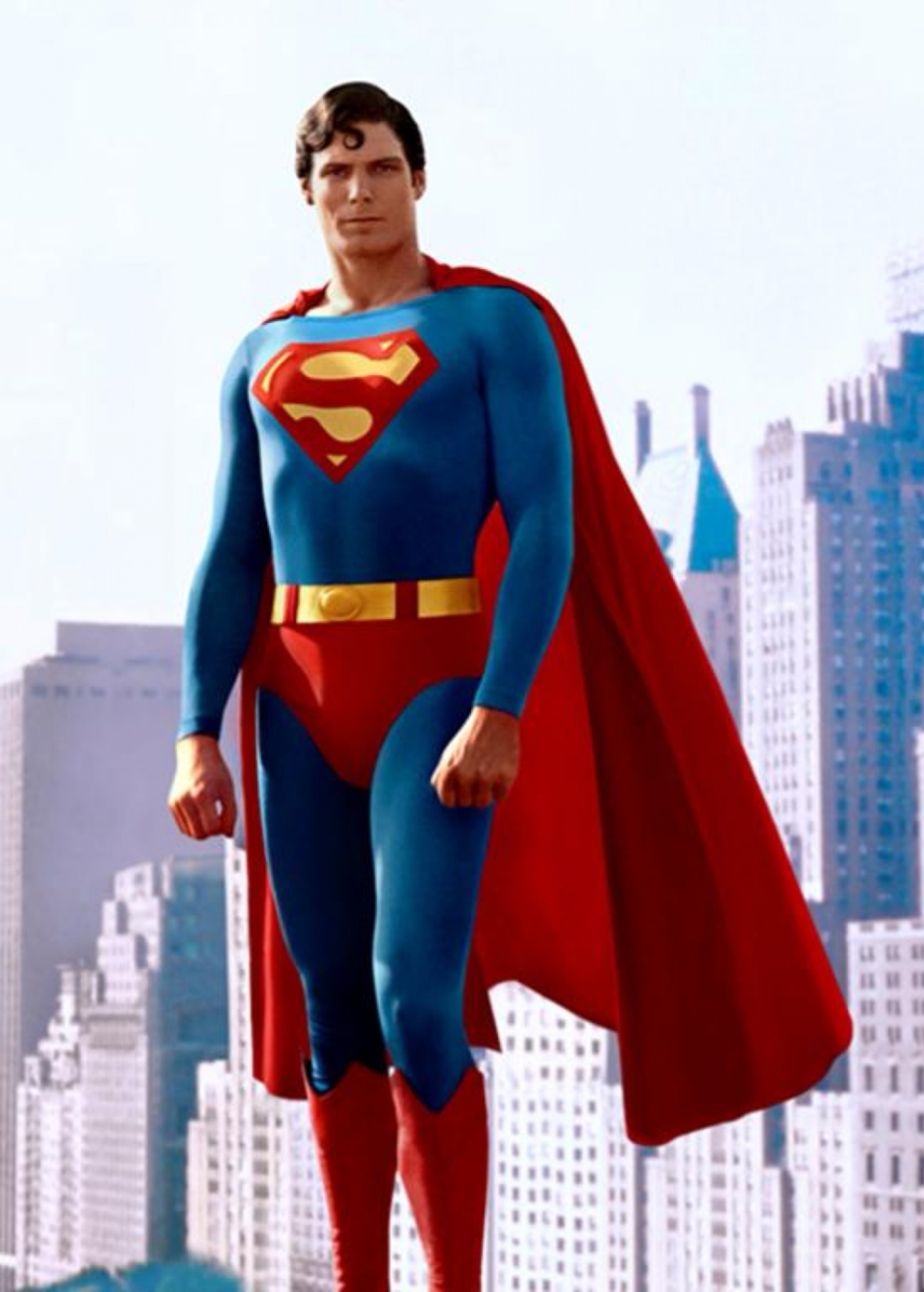
Fifteen feet of cast bronze stands in the heart of downtown Metropolis, Illinois, transforming a quiet Ohio River town into the official, living hometown of the Man of Steel. While the comic book city features towering skyscrapers, this southern Illinois community of roughly 6,500 residents relies on small-town grit, community fundraising, and unwavering public art dedication to claim its unique place on the map.
The connection between the municipality and DC Comics didn't happen by accident. It took decades of official resolutions, a failed multi-million dollar theme park, a vandalized fiberglass prototype, and a grassroots fundraising effort to erect the landmark monument that draws thousands of fans every year.
How Metropolis Became Superman's Hometown
Long before comic books existed, the town of Metropolis was platted along the Ohio River in 1839, taking its name from an early ferry company rather than Siegel and Shuster's fictional creation. Superman didn't debut in Action Comics #1 until 1938, and his fictional city appeared shortly after. For decades, the share of the name remained a coincidence.
That changed in 1972. Local leaders in Massac County realized their shared name was an unmatched branding asset. The Metropolis Chamber of Commerce reached out to National Periodicals (now DC Comics), petitioning for official recognition. In January 1972, corporate leadership agreed, and that June, the Illinois House of Representatives officially declared Metropolis the Hometown of Superman.
The legal designation sparked immediate ambition. Organizers pitched a massive $50 million theme park called the Amazing World of Superman, complete with futuristic attractions and designs by comic artist Neal Adams. However, the 1973 oil crisis, soaring inflation, and shifting interstate plans killed the project before construction began. The town was left with promotional debt and no tourist anchor.
From Fiberglass Failures to the Bronze Icon
It took more than a decade for Metropolis to recover and try again. In 1986, the city installed its first monument: a seven-foot-tall fiberglass Superman statue on the courthouse square.
The experiment failed due to durability issues. Local vandals and curious visitors tested whether the Man of Steel could withstand physical damage, shooting the fiberglass figure full of holes. The material couldn't handle the weather or public interaction, and the damaged statue eventually had to be removed.
By the early 1990s, residents wanted a permanent solution that could survive the elements and honor the character properly.
- Community Fundraising: Organizers launched a brick-buying campaign, selling engraved pavers for thirty-five dollars each to local fans and businesses.
- Foundry Casting: The community raised roughly $120,000, commissioning sculptor Gary Smith to design a robust monument. A foundry in Utah cast the figure in solid bronze.
- Unveiling: On June 5, 1993, during the town's annual festival, the 15-foot, three-ton bronze statue was officially unveiled on what was renamed Superman Square.
Unlike its fiberglass predecessor, the bronze statue stood strong against weathering and bullet attempts, establishing a permanent anchor for public art in southern Illinois.
Expanding the Public Art Landscape
The bronze monument served as a catalyst for transforming the entire downtown core into an open-air tribute. The Illinois Office of Tourism highlights how the area grew beyond a single statue into a comprehensive cultural destination.
- The Super Museum: Located directly across the street from Superman Square, collector Jim Hambrick established a permanent home for tens of thousands of pieces of rare memorabilia, movie props, and vintage merchandise.
- The Lois Lane Monument: A bronze statue honoring actress Noel Neill, who played Lois Lane in the 1950s television series, stands in a local park, celebrating the supporting cast of the Metropolis mythos.
- Hand-Painted Murals: Local artists covered downtown brick walls with large-scale replicas of classic comic book covers, turning blank facades into interactive photo backdrops.
- The Annual Celebration: Every June, the town hosts the Superman Celebration, drawing thousands of cosplayers, collectors, and casual tourists for Q&A panels, trivia contests, and street fairs.
The video below shows a walkthrough of Superman Square, the bronze statue, and the surrounding downtown exhibits.
Common Mistakes When Visiting Metropolis
Travelers often make a few scheduling and logistical errors when planning a trip to southern Illinois to see the monument.
- Expecting a Metropolis Skyline: Visitors sometimes look for skyscrapers or urban sprawl. Metropolis is a quiet, rural river town; its tallest buildings are only a few stories high.
- Visiting Only on Non-Festival Weekends: While the statue and outdoor murals are accessible year-round, the Super Museum and local gift shops have seasonal hours that shift during winter months. Checking schedules ahead of time prevents closed-door disappointments.
- Ignoring Local History: Tourists who focus exclusively on comic memorabilia often miss Fort Massac State Park, the historic riverside fort site dating back to French colonial times that anchors the region's actual 18th-century roots.
Frequently Asked Questions
Why is the Superman statue in Illinois instead of New York?
Metropolis is a real town in southern Illinois that was named a century before DC Comics created its fictional counterpart. The state legislature officially recognized the connection in 1972.
How tall is the Metropolis Superman statue?
The current bronze statue stands 15 feet tall and weighs approximately three tons. It is bolted down in Superman Square outside the Massac County Courthouse.
Is there an admission fee to see the statue?
No. Superman Square and the outdoor murals are in public spaces and cost nothing to visit or photograph. Admission fees apply only if you enter the Super Museum across the street.
What happened to the original statue?
The original 1986 statue was made of fiberglass rather than bronze. Because it was vulnerable to weathering and vandalism, it deteriorated and was eventually replaced by the current bronze monument in 1993.



