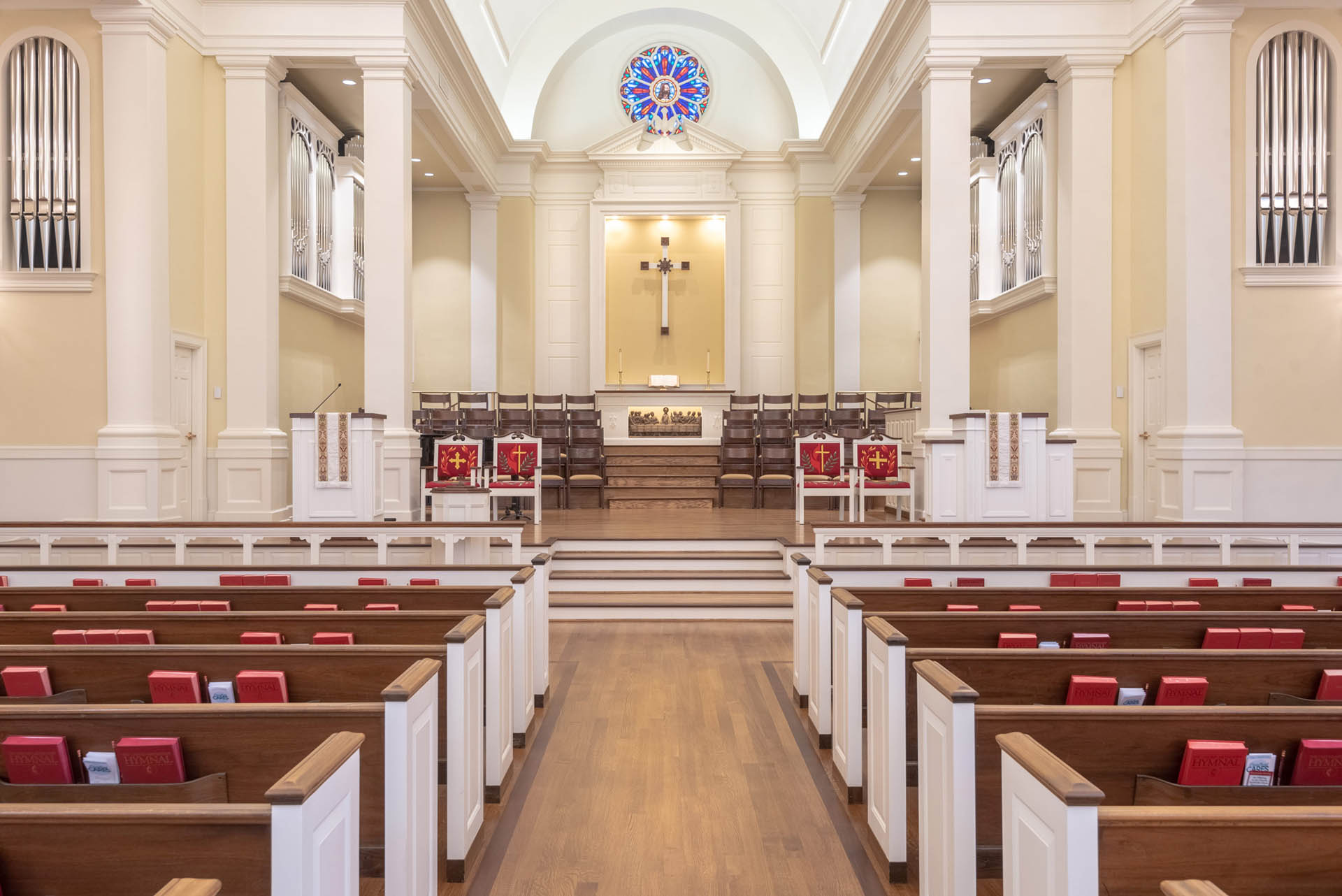
Methodists and Presbyterians share a root in the Protestant Reformation, yet they developed vastly different approaches to church governance, theological emphasis, and daily worship. If you're trying to understand how these two major denominations operate today, the short answer comes down to structure and doctrine: Methodists trace their lineage to John Wesley and emphasize personal holiness, free will, and connectional governance, while Presbyterians follow John Calvin and focus on God's absolute sovereignty, predestination, and a representative system of elders.
Both groups belong to the broader Protestant family, but their paths diverged centuries ago over how Christians should organize their communities and interpret biblical grace. Looking closer at their history, leadership models, and sacraments reveals why these distinctions still matter for modern churchgoers.
Historical Roots and Founders
To understand the gap between the two traditions, you have to look at the historical figures who shaped them. The Presbyterian Church traces its heritage directly back to the 16th-century Protestant Reformation, specifically through the work of John Calvin in Geneva and John Knox in Scotland. Knox brought Calvin's theological framework to Scotland, where the first official Presbyterian Church took root in 1560.
Methodism, by contrast, emerged much later. It started as a reform movement within the Church of England during the 18th century, led by brothers John and Charles Wesley alongside George Whitefield. John Wesley never intended to start a new denomination; instead, he wanted to revitalize a spiritually stagnant Anglican church by emphasizing methodical Bible study, charitable work, and a disciplined spiritual life. Over time, friction with the Church of England and the realities of growth in America pushed Methodists to form their own independent church structure.
Governance and Leadership Structure
The most practical difference you'll notice between the two traditions is how they run their local churches and regional bodies.
Presbyterian governance gets its name from the Greek word presbuteros, meaning "elder." Power doesn't rest with a single bishop or pastor, nor does it sit entirely with the local congregation. Instead, authority is shared among elected elders.
- The Session: Each local Presbyterian church is governed by a session, consisting of the pastor and ruling elders elected by the congregation.
- The Presbytery: A group of local churches forms a presbytery, which oversees ordination and church property within a specific geographic region.
- The Synod and General Assembly: Higher regional and national bodies handle major doctrinal and administrative policies.
Methodist governance is known as connectionalism. Local churches are deeply linked into a wider network overseen by bishops.
- The Charge Conference: The local governing body of a Methodist church, which works alongside the pastor.
- The Annual Conference: A regional body led by a resident bishop who appoints pastors to specific local churches.
- The Jurisdictional and General Conferences: National and global gatherings that set the Book of Discipline, the foundational law for the denomination.
While Presbyterians vote on leadership through a system of representative councils, Methodists rely on an episcopal structure where bishops hold the authority to move pastors between different congregations.
Core Theology and Doctrine
Theological differences between the two traditions stem largely from their historical views on salvation, human choice, and divine sovereignty.
Presbyterian theology is traditionally rooted in Reformed theology and the Westminster Confession of Faith. It emphasizes the sovereignty of God over all things. A classic summary of this tradition is often remembered through the acronym TULIP, which highlights concepts like unconditional election and the perseverance of the saints. In simple terms, traditional Presbyterian teaching holds that God chooses those who will be saved, and humans cannot earn their way to salvation through personal effort.
Methodist theology, shaped by Arminianism and John Wesley, places a strong emphasis on human free will and prevenient grace—the idea that God's grace is freely available to all people and that individuals must choose to accept it. Methodists also emphasize Christian perfection or entire sanctification, believing that believers can grow in love and holiness throughout their earthly lives through the power of the Holy Spirit.
Worship Styles and Sacraments
When you walk into a Sunday service, you'll find distinct cultural and liturgical habits in each tradition.
Presbyterian services tend to be structured, formal, and deeply rooted in historical liturgy. You'll typically follow a printed bulletin with specific prayers, responsive readings, and a sermon that forms the centerpiece of the gathering. Music often includes traditional hymns accompanied by an organ or piano, though some contemporary Presbyterian churches incorporate modern worship bands.
Methodist services can vary widely depending on the specific congregation. You might find a traditional liturgical service that looks very similar to a Presbyterian or Episcopal gathering, or you might walk into a contemporary service with casual attire, a coffee bar, and modern praise music. Historically, John Wesley valued lively congregational singing, and music remains a central part of Methodist worship.
Both denominations recognize two primary sacraments: baptism and communion.
- Baptism: Both practice infant baptism as well as believer's baptism, viewing the sacrament as an outward sign of God's covenant. Methodists historically practice baptism by sprinkling, pouring, or immersion, while Presbyterians typically use sprinkling or pouring.
- Communion: Both practice open communion, welcoming all baptized Christians to the table regardless of their specific denominational membership.
Social and Cultural Engagement
Both traditions have a long history of social activism, though their approaches often reflect their theological structures.
Presbyterians have historically placed a strong emphasis on education, founding prestigious universities like Princeton, Davidson, and Macalester. Their social witness often involves institutional advocacy, public policy engagement, and global missionary work coordinated through national assemblies.
Methodists have an equally rich heritage of grassroots social reform, starting with John Wesley's work among the poor, prisoners, and enslaved people in 18th-century England. Methodists built extensive networks of hospitals, schools, and orphanages. Today, local Methodist congregations often lean heavily into community outreach, food pantries, and disaster relief through organizations like the United Methodist Committee on Relief.
Common Mistakes and Misconceptions
People often confuse these two groups because both are mainline Protestant denominations with historic roots in Europe. However, assuming they are identical leads to several common errors.
- Mistake 1: Assuming pastors have the same authority. A Presbyterian pastor works closely with a board of elders and cannot make major administrative decisions unilaterally. A Methodist pastor is appointed by a bishop and operates within a connectional network that extends far beyond the local church building.
- Mistake 2: Treating them as the same branch of the Reformation. Presbyterians stem from the Swiss and Scottish Reformation under Calvin and Knox, making them part of the Reformed tradition. Methodists emerged from 18th-century Anglican renewal movements under John Wesley.
- Mistake 3: Viewing their views on grace as interchangeable. While both affirm salvation through Jesus Christ, traditional Presbyterianism emphasizes God's sovereign election, whereas Methodism highlights human free will and the possibility of falling from grace.
Frequently Asked Questions
Can a Methodist take communion at a Presbyterian church?
Yes. Both denominations practice open communion, meaning any baptized Christian from any Christian background is welcome to partake in the Lord's Supper.
Do Methodists and Presbyterians read the same Bible?
Yes. Both traditions use the standard Protestant Bible, which contains 66 books (the Old and New Testaments). They may use different translations for study and worship, but the underlying text remains the same.
How do their views on church membership differ?
In a Presbyterian church, members typically join by making a profession of faith before the church session or by transferring their membership from another Christian church. In a Methodist church, individuals join by taking vows during a worship service, committing to support the local church through their prayers, presence, gifts, service, and witness.
Which denomination is larger globally?
Methodism is generally larger on a global scale, with tens of millions of members spread across various international connectional bodies like the United Methodist Church, the African Methodist Episcopal Church, and the Wesleyan Church. Presbyterian and Reformed bodies also count millions of members worldwide, particularly strong in parts of Africa, Asia, and North America. You can read more about global Protestant demographics through the Pew Research Center.
Can Methodist and Presbyterian churches merge?
While local cooperation and pulpit exchanges happen frequently, official organic mergers between entire denominations are rare due to deep-seated differences in governance and polity. However, local congregations occasionally form shared or yoked ministries to serve rural or underserved communities. You can learn more about ecumenical dialogues on the World Council of Churches website.


