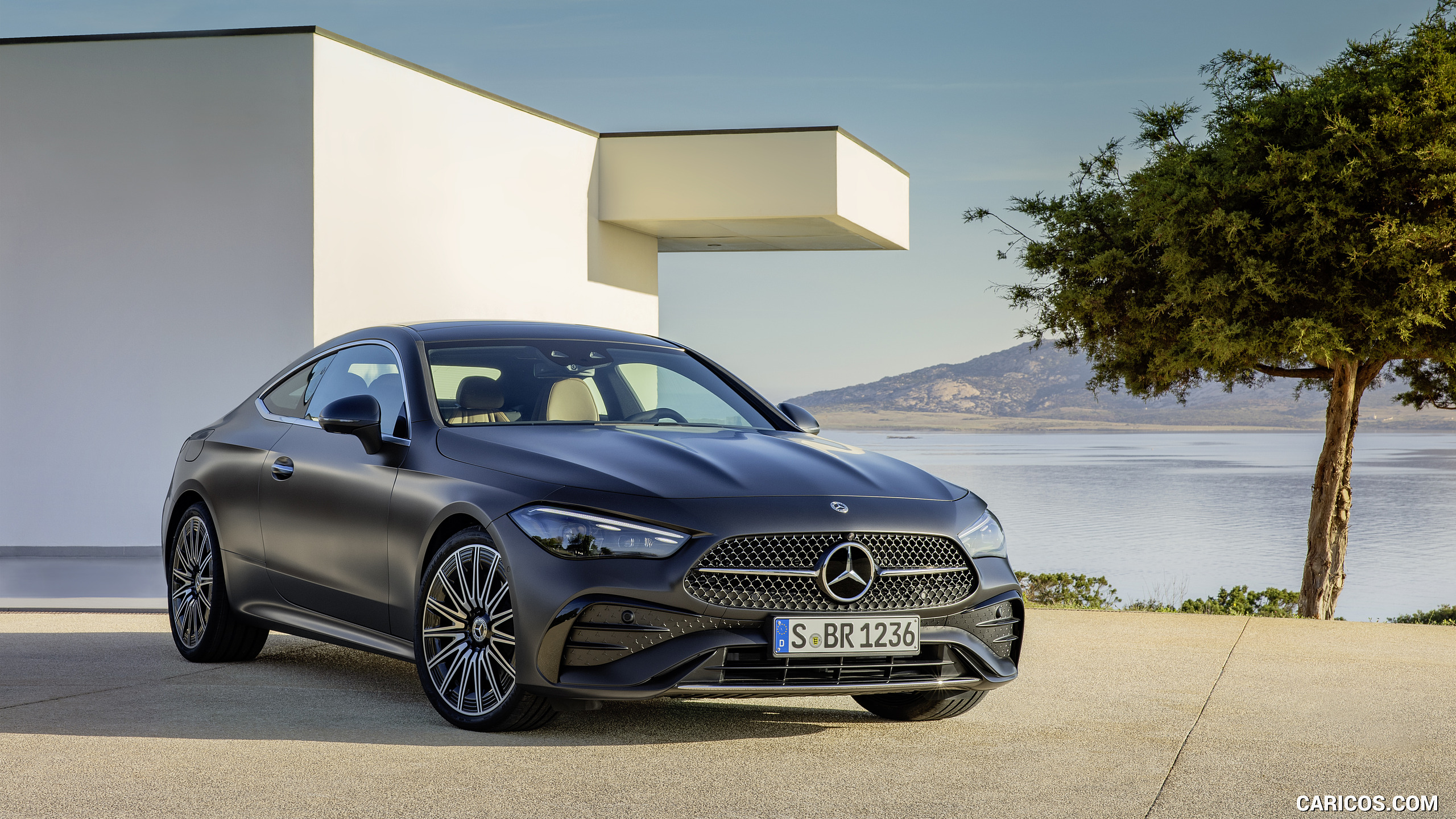
The high-stakes luxury automotive sector is undergoing a massive shift. Traditional prestige brands face intense pressure from changing consumer demands, software-driven experiences, and fierce competitor positioning. At the center of this evolution lies a complex web of strategic rivalry, where legacy automakers like Mercedes-Benz must reinvent their core identity to stay relevant. It isn't just about horsepower anymore. It's about software architectures, digital ecosystems, and capturing the attention of younger, digitally native buyers who view luxury through a completely different lens.
To understand what's really driving this high-stakes rivalry reshaping luxury innovation, we have to look past the marketing gloss. Legacy titans are battling both nimble new market entrants and historic cross-town rivals. They're investing billions into vehicle operating systems, autonomous driving capabilities, and bespoke digital interiors. If you look closely at how these multi-billion-dollar strategies play out, you'll see a high-wire act balancing heritage craftsmanship against rapid technological obsolescence.
The Shift From Mechanical Prestige to Digital Dominance
For decades, buying a high-end luxury vehicle meant paying for engine performance, hand-stitched leather, and smooth suspension systems. Today, those elements are table stakes. The real battleground has shifted entirely to software and user experience.
Automakers are racing to build proprietary software platforms that control everything from battery efficiency to cabin ambiance. When a driver steps into a modern flagship vehicle, they expect an ecosystem that rivals their smartphone. This transition creates massive friction for legacy manufacturers. Building physical cars for a century doesn't automatically teach you how to ship seamless over-the-air software updates.
Competitors are moving fast to capture market share by positioning themselves as tech companies that happen to build cars, rather than car companies adding screens. To keep up, legacy brands have had to restructure internal engineering teams, partner with major tech giants, and rethink how vehicle features are monetized post-purchase. You don't just buy a car anymore; you subscribe to features that unlock over time.
Pressures From Younger Demographics and New Entrants
Consumer demographics are shifting rapidly. Younger buyers with high disposable income don't care about historic racing pedigrees the way previous generations did. They value sustainability, minimalist design, and hyper-personalized digital interfaces.
This creates an opening for disruptive rivals who aren't weighed down by decades of legacy manufacturing plants and traditional dealership networks. These newer market players iterate on vehicle design and software features at a pace that shocks traditional boardrooms.
- Software-First Architectures: Newer brands update vehicle dynamics remotely every month, making legacy annual model cycles look slow.
- Direct-to-Consumer Models: Changing retail experiences mean buyers expect frictionless digital purchasing rather than traditional dealership negotiations.
- Personalization at Scale: Modern luxury buyers demand custom software themes, bespoke digital assistants, and tailored interior lighting setups.
Mercedes-Benz has responded by leaning heavily into digital transformation, aiming to redefine how younger generations perceive elite automotive craftsmanship. According to Mercedes-Benz Official, the focus has pivoted toward integrating advanced artificial intelligence and sustainable materials without losing the brand's signature elegance.
The Cost of Staying Ahead in High-End Innovation
R&D budgets in the luxury sector have skyrocketed. Developing proprietary autonomous driving stacks, solid-state battery research, and high-definition pillar-to-pillar displays requires capital expenditure that pushes even massive conglomerates to form strategic alliances.
You can't go it alone when the R&D bill rivals the GDP of small nations. Rivals are collaborating on shared EV platforms while simultaneously fighting tooth and nail for dominance in luxury cabin design. This strange mix of cooperation and bitter competition defines modern automotive strategy.
Common mistakes in this high-stakes environment include over-complicating user interfaces with too many digital layers and alienating loyalists who still prefer tactile physical controls. Brands that fail to balance digital novelty with ergonomic usability often find themselves facing fierce pushback from core buyers.
Frequently Asked Questions
Why is software development becoming more important than engine performance in luxury cars?
Buyers of high-end vehicles now judge luxury by how smart, connected, and personalized the cabin experience is. Software controls entertainment, autonomous driving aids, energy management, and safety features, making it the primary differentiator between competing brands.
How are legacy luxury brands competing with tech-first startups?
Legacy manufacturers leverage their decades of manufacturing precision, global service networks, and premium materials while aggressively hiring software engineers and partnering with cloud computing giants to close the digital gap.
What role do over-the-air updates play in modern luxury vehicles?
Over-the-air updates allow automakers to fix bugs, improve battery performance, and even add brand-new features to a vehicle long after it has left the showroom floor, transforming the car into a living product.
Why do younger consumers view luxury automotive brands differently?
Younger buyers prioritize digital integration, sustainability, and immediate personalization over traditional markers of status like engine size or historical racing heritage.



