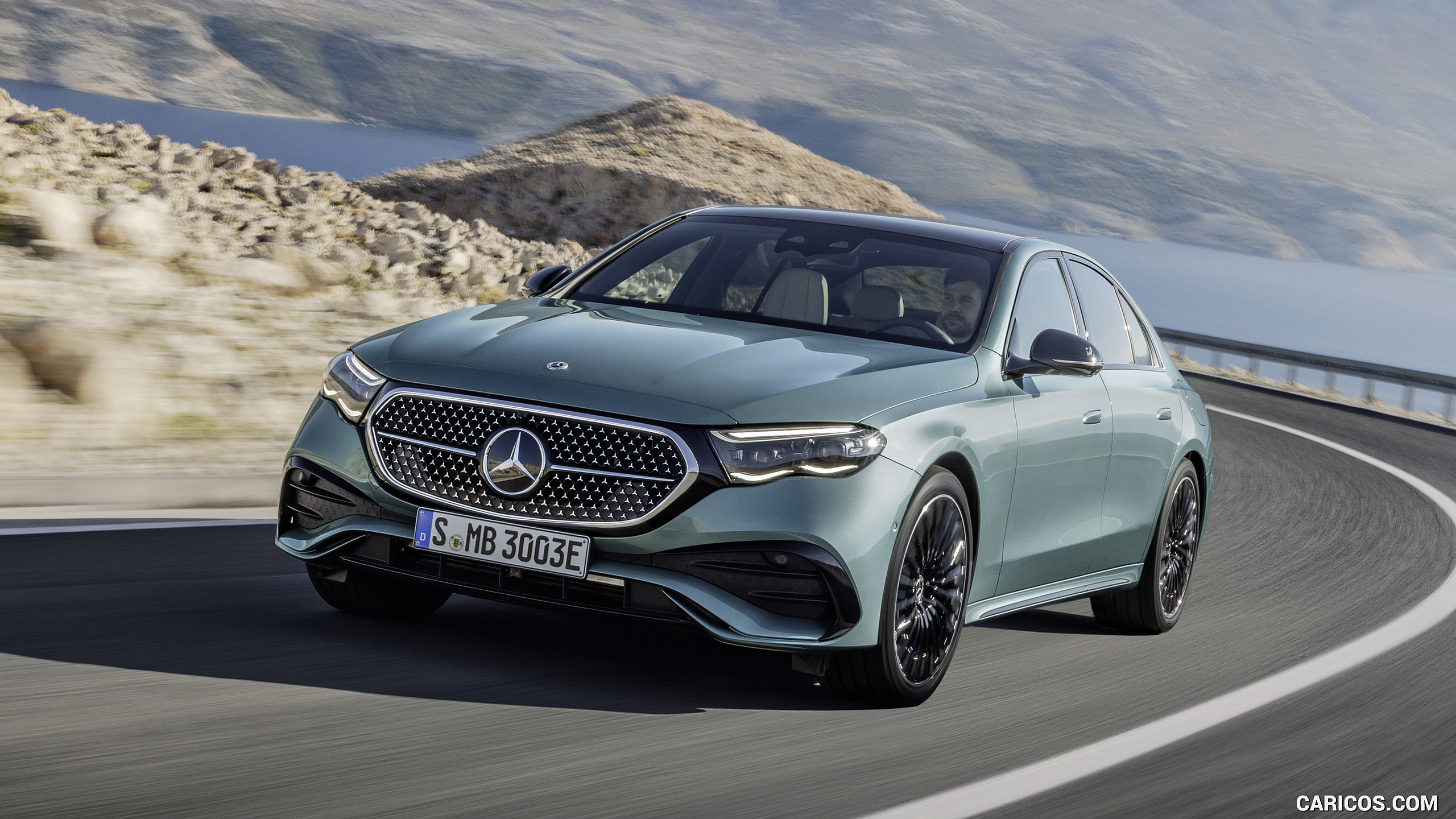
The Mercedes CLK 55 AMG delivers raw, analog V8 muscle wrapped in an understated late-90s and early-2000s coupe body. If you're hunting for a modern classic that predates complex turbochargers and digital exhaust trickery, this hand-built powerhouse hits the sweet spot. It bridges the gap between relaxed grand touring and aggressive track-day capability without isolating you from the mechanical experience.
Beneath the sleek sheet metal lies a pedigree forged in Affalterbach during an era when Mercedes-AMG relied on displacement and brute engineering. Whether you're tracking down a clean W208 generation or evaluating a later C209 model, understanding the mechanical nuances, common failure points, and market quirks keeps you from buying an expensive repair bill.
Evolution and Generations
Mercedes offered the CLK 55 AMG across two distinct generations, each utilizing a different platform and engine philosophy. Knowing the differences between these iterations is essential before you start browsing classifieds.
The W208 Era: 2001 to 2002
Based on the W202 C-Class platform, the first-generation W208 CLK 55 AMG arrived as a coupe and a cabriolet. It packed a hand-built 5.4-liter naturally aspirated M113 V8 producing 349 horsepower and 376 lb-ft of torque. Power routed through a beefed-up 5G-Tronic five-speed automatic transmission to the rear wheels. Further reporting by Bloomberg delves into related views on this issue.
This generation feels raw and mechanical. Steering is heavier than standard CLK models, and the suspension uses stiffer springs and dampers tuned by AMG. It lacks modern electronic nannies, meaning you get a pure, unfiltered rear-wheel-drive experience that demands respect in wet weather.
The C209 Era: 2003 to 2006
Moving to the newer C209 platform, the second-generation CLK 55 AMG bumped output to 360 horsepower and 391 lb-ft of torque while retaining the naturally aspirated 5.4-liter M113 V8. It featured sharper exterior styling, updated interior electronics, and better weight distribution.
Note: The competitor guide incorrectly attributes a supercharged M155 V8 to the C209 CLK 55 AMG, confusing it with the later CLK 55 AMG Black Series or the CLK 63 / supercharged SL models. The standard C209 CLK 55 AMG stayed naturally aspirated throughout its production run, making it one of the last pure, large-displacement non-turbo V8s from AMG.
Performance and Real-World Driving Dynamics
Numbers on a spec sheet don't capture how these cars behave on a twisty backroad. The M113 engine produces peak torque low in the rev range, pulling hard from 3,000 rpm all the way to its 6,000 rpm redline.
- Acceleration: The W208 hits 60 mph in roughly 5.3 seconds, while the slightly heavier C209 accomplishes the sprint in about 5.2 seconds.
- Handling: These cars are heavy grand tourers, not dedicated track weapons. They excel at high-speed Autobahn cruising and sweeping bends. Tight hairpin turns reveal understeer if you enter too hot, but throttle steering easily corrects the line.
- Transmission: The 5G-Tronic transmission shifts smoothly during cruising, though it lacks the lightning-fast response of modern dual-clutch units. Manual shifting via the gear selector lever gives you adequate control during spirited driving.
According to historical data from Car and Driver, these vehicles delivered supercar-rivaling acceleration figures for the early 2000s while maintaining daily drivability.
Common Mechanical Issues and Maintenance
While the M113 engine is widely regarded as one of the most reliable V8 powerplants Mercedes ever built, peripheral components wear out with age and mileage. Inspect these specific areas before purchasing:
- Harmonic Balancer: Early M113 engines suffer from failing rubber in the crankshaft harmonic balancer pulley. If it wobbles, replace it immediately to prevent catastrophic engine damage.
- Valve Cover Gaskets: Oil leaks around the spark plug wells are common due to hardening rubber gaskets. Left unchecked, oil pools in the wells and causes misfires.
- Transmission Conductor Plate: The 5G-Tronic transmission relies on an electronic conductor plate that can fail, causing the transmission to stick in "limp mode." Replacement requires draining the fluid and dropping the valve body.
- Suspension Bushings: Control arm bushings, ball joints, and engine mounts wear out around 100,000 miles, causing loose steering response and cabin vibrations.
Buying Advice and Market Outlook
Finding a clean example requires patience. Many cars suffered from deferred maintenance as values dipped into affordable territory.
Prioritize examples with documented service histories over low mileage. A car driven regularly with records often has fewer neglected rubber components than a garage queen that sat for years. Check for rust on W208 rear wheel arches and rocker panels, as corrosion plagues northern climate vehicles.
Official vehicle safety and recall details for these model years are tracked by the National Highway Traffic Safety Administration. Verify that all historical safety recalls have been completed by a certified dealer.
Frequently Asked Questions
Is the Mercedes CLK 55 AMG expensive to maintain?
Routine maintenance like oil changes and brake pads costs more than a standard economy car, but DIYers find the M113 engine bay accessible. Specialized AMG suspension parts and brakes carry a premium.
Is the CLK 55 AMG a good investment?
Clean, low-mileage examples have bottomed out in depreciation and are slowly appreciating as enthusiasts seek out naturally aspirated V8 grand tourers. Don't expect huge financial returns, but your money is safer here than in a modern depreciating lease.
What is the fuel economy of a CLK 55 AMG?
Expect roughly 15 mpg in city driving and up to 22 mpg on highway trips if you keep your foot out of the throttle. Fuel economy drops significantly when enjoying the V8 soundtrack.
Can I use a CLK 55 AMG as a daily driver?
Yes. The trunk is surprisingly spacious, the cabin isolates wind noise effectively, and the ride is compliant enough for daily commuting, provided you budget for higher fuel and maintenance costs.



