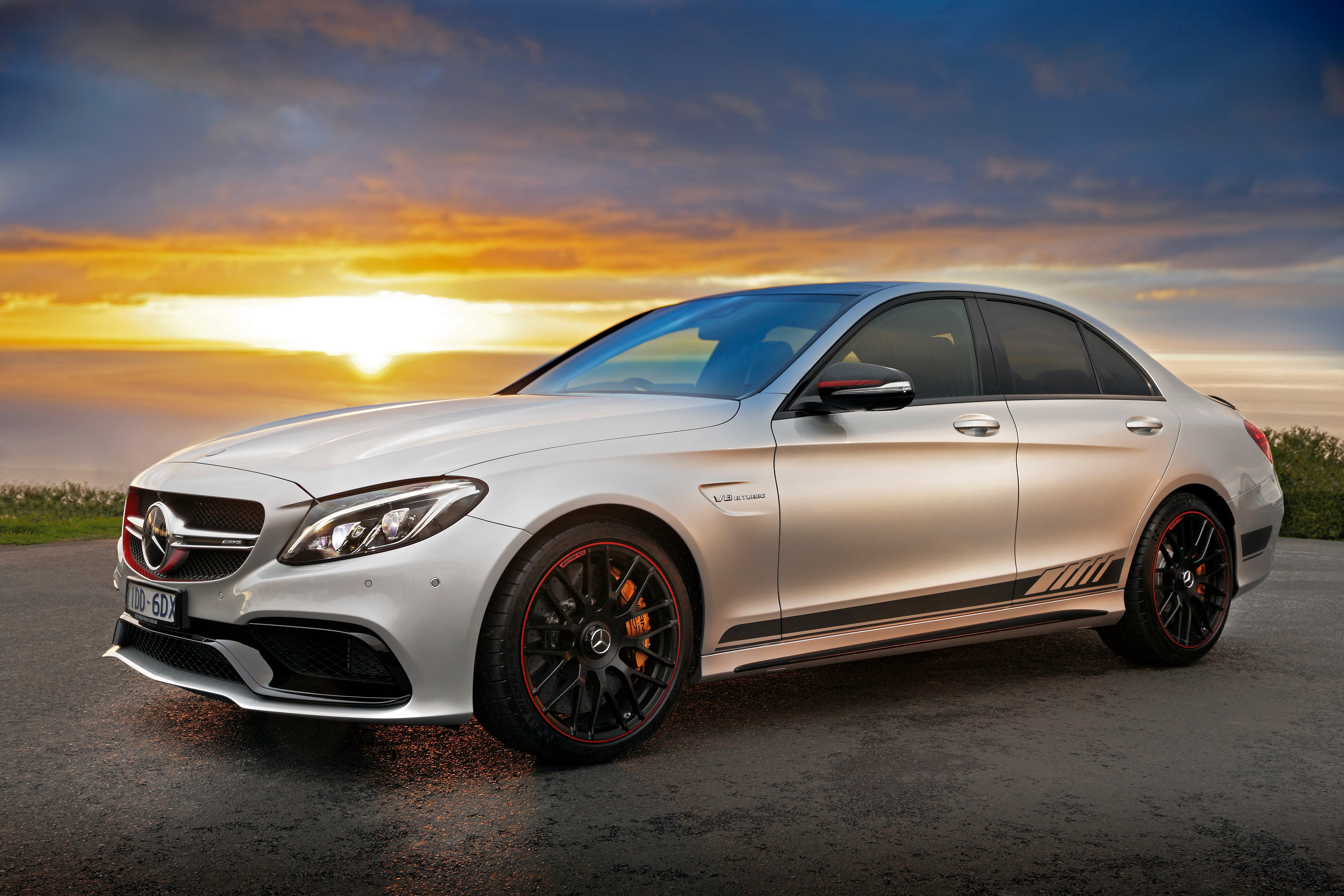
The Mercedes-AMG C63 Coupe stands as one of the most recognizable performance nameplates to emerge from Affalterbach. Over nearly two decades, this compact two-door transformed from a rowdy, naturally aspirated muscle car into a twin-turbo drift machine, and finally into a high-tech hybrid. Track enthusiasts, collectors, and casual drivers view these generational shifts differently because each iteration relied on a completely distinct mechanical formula.
Search intent for this topic centers on technical breakdowns, output figures across model years, and real-world differences between powertrain layouts. While early cars relied on displacement and throttle response, later models prioritized forced induction and electrical torque fill. Looking closely at how the C63 Coupe evolved reveals the engineering pressures that shaped modern high-performance luxury cars.
The Genesis: W204 and the Hand-Built M156 V8
When Mercedes-Benz shoehorned a massive 6.2-liter V8 engine into the compact W204 chassis in 2008, it created an instant icon. Although marketing materials labeled it the "6.3" in homage to legendary vintage models, the actual displacement measured 6,208 cc. The specific coupe variant joined the lineup later in the lifecycle for the 2012 model year, giving buyers a dedicated two-door body style with wider tracks and aggressive flared fenders.
Power Delivery and Driving Dynamics
The M156 engine produced 451 horsepower in standard tune, jumping to 481 horsepower with the optional Development Package. Power built progressively toward a high redline, accompanied by a booming, thunderous exhaust note that defined the brand's early modern identity. Steering felt heavy, direct, and communicative thanks to a traditional hydraulic setup.
- Transmission: Shifted via a seven-speed automatic, replaced by the wet-clutch AMG SPEEDSHIFT MCT starting in 2012.
- Rear Axle: An optional limited-slip differential was crucial for managing rear-wheel traction.
- Common Weaknesses: Camshaft wear on early M156 engines and high thermal loads requiring careful cooling maintenance.
The Turbocharged Era: W205 and the M177 V8
Environmental regulations and efficiency demands forced a major pivot for the 2015 generation, with the dedicated coupe variant arriving for the 2017 model year. The naturally aspirated monster vanished, replaced by a hand-built 4.0-liter twin-turbocharged V8 designated the M177. Turbochargers were mounted "hot inside the V" between the cylinder heads to minimize turbo lag and packaging width.
Performance Specifications
Available in base and high-output C63 S trims, power output climbed significantly. The base coupe made 469 horsepower, while the S variant pushed out 503 horsepower alongside 516 lb-ft of torque. Unlike its predecessor, which required high revs to deliver maximum punch, this twin-turbo motor unleashed its peak torque from a low 1,750 rpm.
- Acceleration: The C63 S Coupe cleared 0-60 mph in roughly 3.8 to 3.9 seconds.
- Handling Characteristics: Transitioned to an electromechanical steering system that offered less initial feedback than the W204, though front-end grip and mid-corner stability improved vastly.
- Daily Usability: A more compliant ride in Comfort mode made the W205 a much easier car to live with day-to-day, though the ride stiffened considerably in Sport+.
To read more about vehicle testing standards and environmental compliance affecting these generations, consult the U.S. Environmental Protection Agency.
The Hybrid Shift: Understanding Modern Weight and Traction
The automotive landscape shifted again as emissions laws tightened further, leading engineers to rethink the C63 formula entirely. While recent iterations moved away from two-door coupe configurations in favor of unified styling directions, the engineering philosophy shifted toward performance hybrid systems.
Modern variants integrate a turbocharged four-cylinder engine with a rear-mounted electric motor and a high-performance battery pack. Total system output figures eclipse older V8 models on paper—reaching up to 671 horsepower and 752 lb-ft of torque—alongside the addition of fully variable all-wheel drive. However, this added hardware increases overall vehicle weight past 4,800 pounds, fundamentally altering how the car behaves on twisty backroads compared to its lighter, rear-wheel-drive predecessors.
Ownership Realities and Maintenance Factors
Transitioning from a naturally aspirated V8 to a forced-induction or hybrid layout changes what you need to look out for in the used marketplace. Maintenance costs scale steeply with complexity.
- Cooling Systems: Turbocharged engines place immense thermal stress on hoses, intercoolers, and ancillary electronics. Inspect coolant reservoirs regularly for signs of oil contamination.
- Brake and Tire Consumption: High torque outputs combined with heavy curb weights mean rear tires and brake pads wear out much faster than on standard luxury coupes.
- Service Records: Always prioritize vehicles with documented oil change intervals shorter than factory recommendations, particularly for high-mileage M156 and M177 engines.
For official details on automotive safety ratings and structural crash testing across these model years, check the Insurance Institute for Highway Safety. Additional specifications and historic performance data can also be cross-referenced via Car and Driver.
Frequently Asked Questions
Which C63 generation sounds the best?
Most enthusiasts agree that the original W204 generation with the 6.2-liter naturally aspirated M156 engine produces the most authentic, aggressive exhaust roar. The W205 twin-turbo V8 offers a deeper, more muffled rumble with aggressive crackles on overrun, while hybrid variants rely more heavily on electronic tuning and forced-induction notes.
Is the W205 C63 Coupe reliable as a daily driver?
Yes, provided it has a clean maintenance history. The M177 twin-turbo engine is robust, but complex electronics, active engine mounts, and minor interior trim rattles require attentive upkeep. Budget extra funds for routine consumable replacements like high-performance tires and brake rotors.
Why did Mercedes-AMG drop the V8 in newer models?
Stricter global fleet emissions regulations and fuel economy standards forced manufacturers to downsize displacement. Pairing smaller displacement engines with electric hybrid components allows brands to meet legal efficiency targets while maintaining high horsepower output figures.
How does the driving experience differ between the W204 and W205 coupes?
The W204 feels more mechanical, raw, and linear, requiring you to work the engine to access its power band. The W205 delivers an immediate surge of low-end torque, making it feel faster in everyday driving conditions, though it isolates the driver slightly more from the road surface due to its electronic steering rack.



