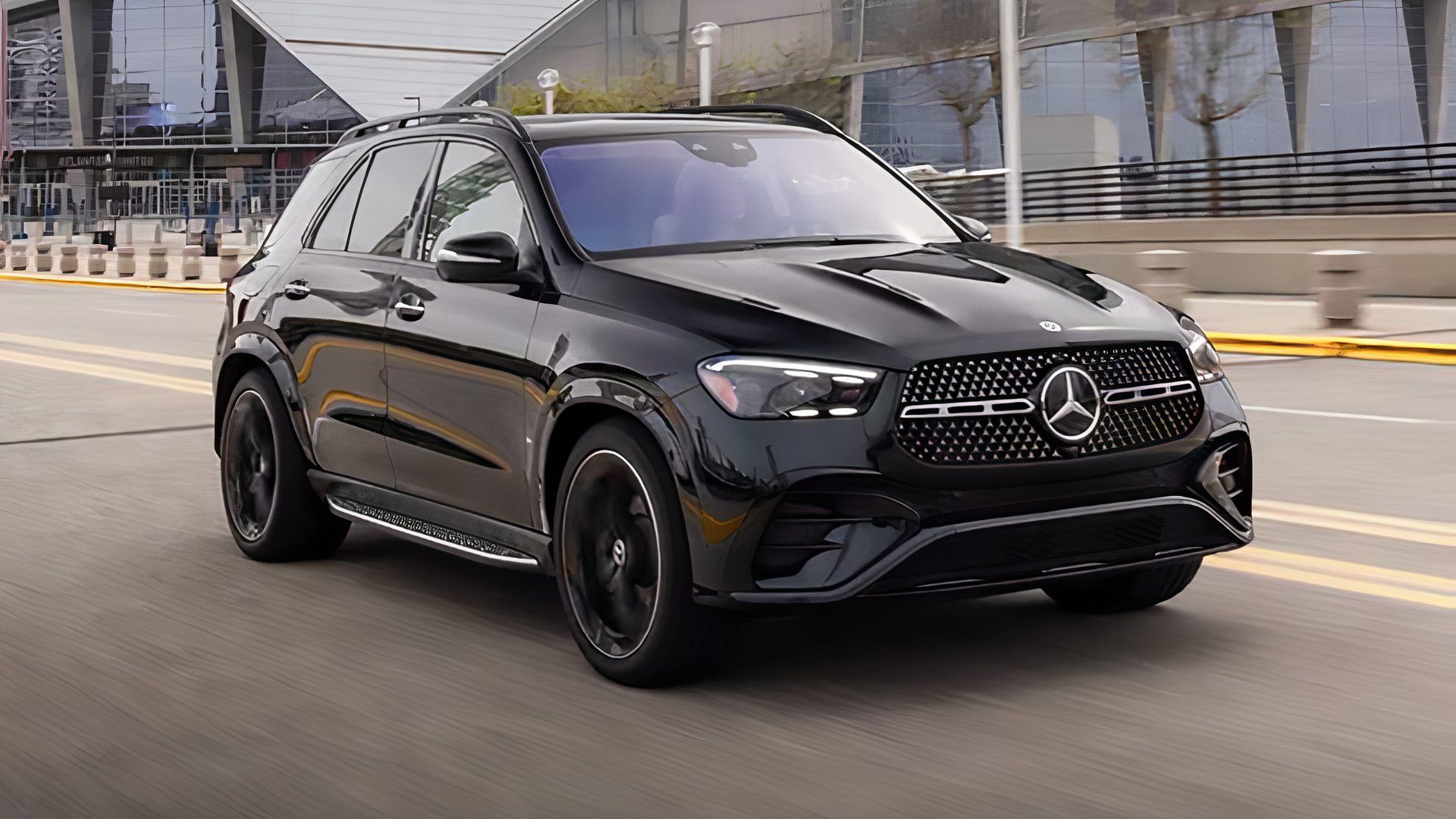
Buying or driving a plug-in hybrid hatchback means balancing daily electric efficiency against complex mechanical systems. If you're looking at the Mercedes A250e, you need to know where the weak points lie before signing any paperwork or booking a long road trip. While the W177 generation delivers strong performance and low fuel bills, it carries specific failure points unique to its electrified powertrain.
The most frequent complaints center around electrical gremlins, onboard charger failures, and cooling circuit glitches rather than core engine blocks. Knowing what to inspect on a test drive or service history can save you thousands in unexpected repair bills. Let's break down the exact trouble areas you need to watch out for.
Onboard Charger and AC Charging Failures
The onboard charger handles AC power intake, and it's one of the most frequently reported hardware weak spots on early A250e models. You might plug the car in overnight only to find a flashing red indicator light and zero charge in the morning.
This happens when the charging module overheats or experiences internal power surges, especially with outdoor home chargers during winter.
- The Symptoms: The car refuses to accept AC power, or throws a charging system fault message on the MBUX infotainment screen.
- The Fix: Many early failures require a complete replacement of the onboard charger unit, which can easily cost over one thousand euros in parts and labor. Check if DC fast charging still functions if you're inspecting a used model, as DC circuits bypass this specific module entirely.
Parasitic 12V Battery Drain
Modern plug-in hybrids rely heavily on auxiliary control modules that stay active even when the vehicle is locked and parked. The A250e is particularly susceptible to parasitic battery drain because its high-voltage management systems, keyless entry modules, and MBUX computer constantly draw standby current.
If you leave the car sitting at an airport or driveway for three to five days without driving, the 12V starter battery can drain completely flat.
- The Prevention: Mercedes has released multiple software patches to minimize standby drain, but older software versions still plague used models.
- What to Check: Look at the battery voltage readout inside the vehicle menu. If it drops below 11.8 volts after sitting overnight, expect to budget for a replacement battery or install a quality trickle charger for extended parking.
Hybrid Cooling System and Coolant Pump Faults
Unlike traditional petrol hatchbacks, the A250e features a separate low-temperature cooling circuit dedicated entirely to cooling the power electronics, inverter, and electric motor.
The electronic water pump in this secondary circuit can fail prematurely, especially on cars that sat parked for long periods where stagnant coolant accelerates seal wear.
- The Warning Signs: You'll see a check engine light accompanied by diagnostic trouble code P0A93, a sudden loss of electric motor power, or forced fallback to the combustion engine.
- The Repair: Replacing the low-pressure pump requires flushing the electronic cooling loop and reprogramming the sensor logic through official dealer channels or specialized hybrid garages.
Dual-Clutch Transmission Jerkiness
The 8-speed dual-clutch automatic transmission paired with the hybrid system provides quick shifts, but it can feel unrefined in stop-and-go city traffic. Owners frequently note clunky engagement when moving from park to drive, or a harsh mechanical shudder when the combustion engine kicks on abruptly while cruising on pure electric power.
- Testing the Gearbox: Take the car through heavy urban traffic during your test drive. Ensure gear changes remain smooth and that the transition from electric motor to petrol engine happens seamlessly without surging or loud mechanical clunks.
- Software vs. Hardware: Some shifting roughness is correctable through a simple transmission control unit reflash, but advanced clutch wear requires expensive mechanical overhauls.
Brake Rotor Corrosion from Low Usage
Because the A250e utilizes regenerative braking to recapture energy and slow the vehicle down, the physical brake pads and discs see far less friction than they would on a standard petrol car.
While this extends pad life, it creates an unexpected side effect: severe rust pitting and deep corrosion on the brake discs due to underuse. Inspect all four brake rotors visually before buying. If the outer edges are deeply scored or covered in flaky rust that doesn't clear after a few hard stops, you'll need a premature brake replacement.
Frequently Asked Questions
Can the Mercedes A250e be fast-charged?
Facelift models produced from 2022 onward introduced optional DC fast-charging capabilities up to 22 kW. Older pre-facelift models are limited to AC home and public charging up to 7.4 kW, meaning you cannot plug them into motorway rapid chargers. Always verify the charger spec sheet of the specific model year you are viewing.
How long does the high-voltage hybrid battery last?
Mercedes offers an official battery warranty protecting the high-voltage pack against significant capacity loss for a set number of years or mileage threshold (typically 8 years or 160,000 kilometers). Gradual degradation is normal, but premature range drops usually point to unbalanced cell modules requiring diagnostic testing at an authorized retailer.
Is the A250e expensive to maintain compared to standard petrol models?
Yes, maintenance runs higher due to the dual-system nature of the vehicle. Routine servicing involves standard engine oil changes alongside high-voltage coolant checks, specialized diagnostic scans, and software updates for the MBUX and powertrain control units. Utilizing independent hybrid specialists can reduce labor costs compared to main dealership networks.
What is the real-world electric range?
While official factory figures advertise a generous electric range, real-world driving yields closer to 35 to 50 kilometers depending on ambient temperature, climate control usage, and highway speeds. Cold winter weather significantly reduces high-voltage battery efficiency, causing the petrol engine to activate much sooner.



