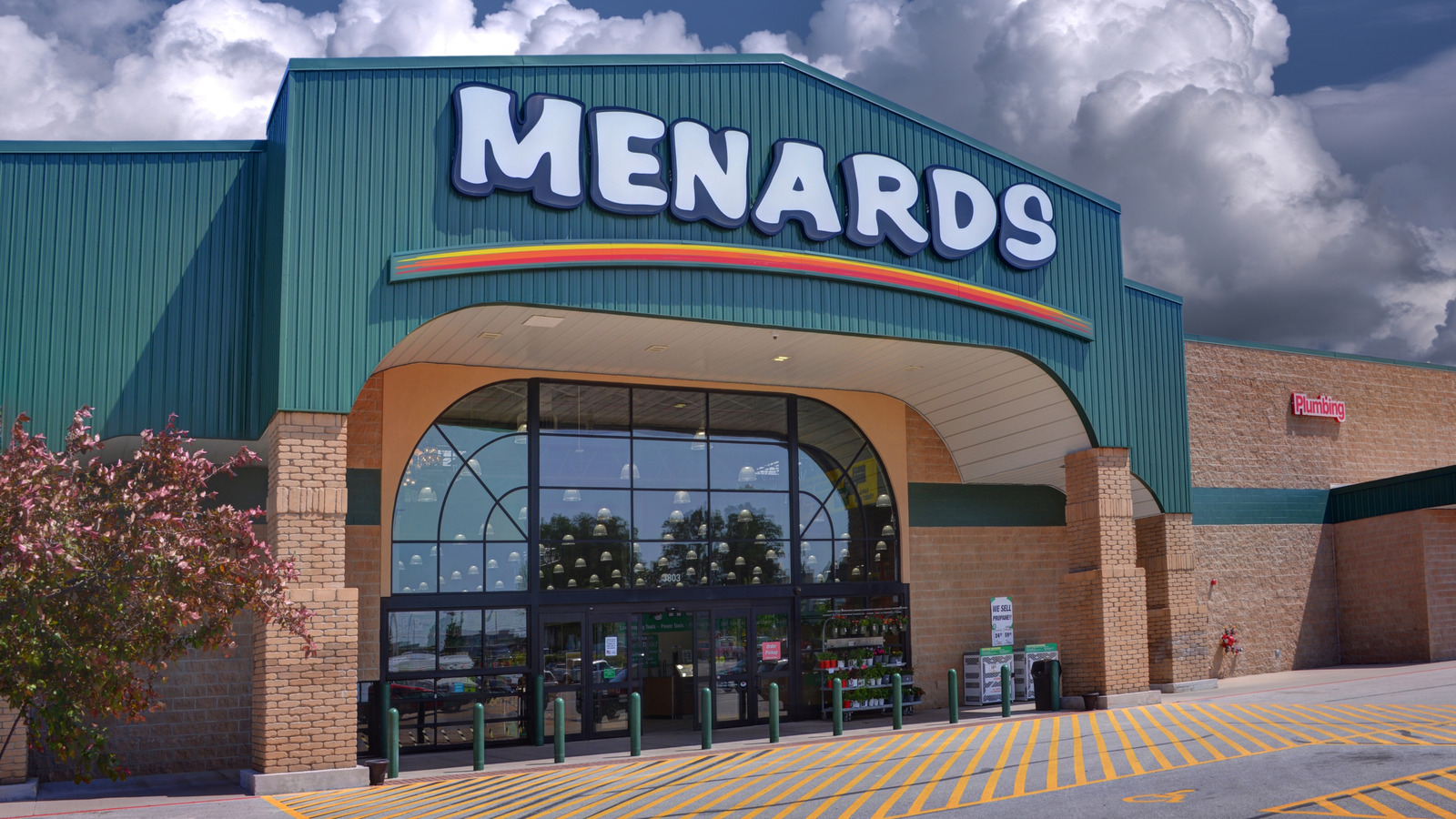
When you're shopping for budget-friendly building materials, Menards is often the first stop. Their metal roofing selection—largely supplied by Midwest Manufacturing—promises heavy-duty protection for pole barns, residential homes, and outbuildings at a fraction of specialty contractor prices. But buying retail steel panels requires understanding exactly what you're getting into regarding installation, maintenance, and long-term durability.
Unlike traditional asphalt shingles that curl and degrade after two decades, steel panels offer a different performance profile. To make an informed choice for your property, you need to weigh panel gauges, fastener types, and hidden costs against the advertised savings.
Understanding Menards Metal Roofing Options
Menards stocks several styles of metal panels, ranging from light-duty agricultural sheets to architectural profiles suited for residential roofs. The most common option you'll encounter on their shelves is the exposed fastener panel, such as their popular Pro-Rib lines.
- Exposed Fastener Panels: These panels overlap one another, and screws are driven directly through the metal face into the roof decking or purlins. They are cost-effective and straightforward to install.
- Standing Seam Systems: While less common as off-the-shelf retail stock, hidden fastener options offer a cleaner look and eliminate fastener holes on the surface.
- Corrugated Panels: Traditional wavy sheets often used for rustic or utility applications, offering high rigidity across spans.
Gauge thickness is the single most critical factor determining panel strength. In retail metal sales, lower gauge numbers mean thicker steel. You'll typically find 29-gauge and 28-gauge panels dominating big-box retail inventories, though commercial applications usually demand heavier 24- or 26-gauge steel.
Lifespan and Weather Performance
A metal roof can theoretically last forty to seventy years, but that lifespan depends heavily on the specific components you buy and how they're maintained.
Steel panels themselves won't rot, split, or catch fire. They boast high wind resistance and can handle heavy snow loads without buckling, provided the underlying framing is adequate. However, if you opt for budget-friendly exposed fastener panels from a home center, the metal outlives the installation hardware.
Rubber-washer screws on exposed fastener roofs typically degrade after ten to fifteen years under harsh UV exposure. This means you'll likely need to climb up and replace hundreds of neoprene washers or entire screws midway through the roof's life to prevent leaks.
Cost Breakdown and Hidden Expenses
The initial sticker price of retail metal panels looks exceptionally low compared to stone-coated steel or standing seam kits from specialty manufacturers. You're buying panels by the linear foot, which makes budgeting straightforward for simple roof layouts.
Yet, total project costs include much more than the panels alone. Factor in these necessary expenses:
- Trim and Flashing: Ridge caps, drip edges, gable trim, and valley flashings add up quickly.
- Underlayment: High-temp synthetic underlayment is required beneath metal to manage condensation.
- Fasteners and Closures: Specially coated screws with rubber washers, foam closures, and matching touch-up paint.
- Specialty Tools: Metal cutting shears, nibblers, and safety equipment for walking on slick metal surfaces.
Common Installation Mistakes to Avoid
DIY metal roofing installations can save thousands of dollars in labor, but small errors lead to expensive leaks down the road.
Never cut metal panels with an abrasive cutoff wheel or a standard steel circular saw blade if you can avoid it. Hot metal sparks embed themselves into the paint coating, causing premature rust spots known as "hot slag burns." Use proper shears or specialized metal-cutting blades instead, and brush away all metal shavings immediately.
Another frequent error is over-tightening or under-tightening fasteners. If you crush the rubber washer, it fails prematurely and lets water in. If you leave it too loose, wind vibration creates a gap. Driving screws straight and uniform is an art that requires patience and the right clutch-setting on your drill.
Frequently Asked Questions
Can I install Menards metal roofing directly over old asphalt shingles?
Yes, in many jurisdictions, building codes allow a single layer of shingle overlay, provided the roof structure can handle the extra weight. You'll need furring strips (wood purlins) screwed through the shingles to provide a flat, secure nailing plane for the metal panels.
How do I stop condensation under a retail metal roof?
Metal conducts temperature rapidly, causing indoor humidity to condense on the underside of the panels. Always install a quality vapor-permeable synthetic underlayment or specialized drip-stop barrier on the roof deck to capture moisture before it drips into your attic or framing.
What color options are available for retail steel panels?
Menards stocks a broad spectrum of colors, from classic white and burnished slate to forest green and midnight black. Most of these panels feature baked-on enamel paint systems backed by multi-year fading and chalking warranties from the manufacturer.
Do I need special insurance coverage for a metal roof?
Many insurance companies view metal roofs favorably because of their Class 4 impact resistance and Class A fire rating. In some hail-prone states, installing a metal roof may even qualify you for a modest discount on your annual homeowners insurance premium. Consult your insurance provider to check local policy incentives.



