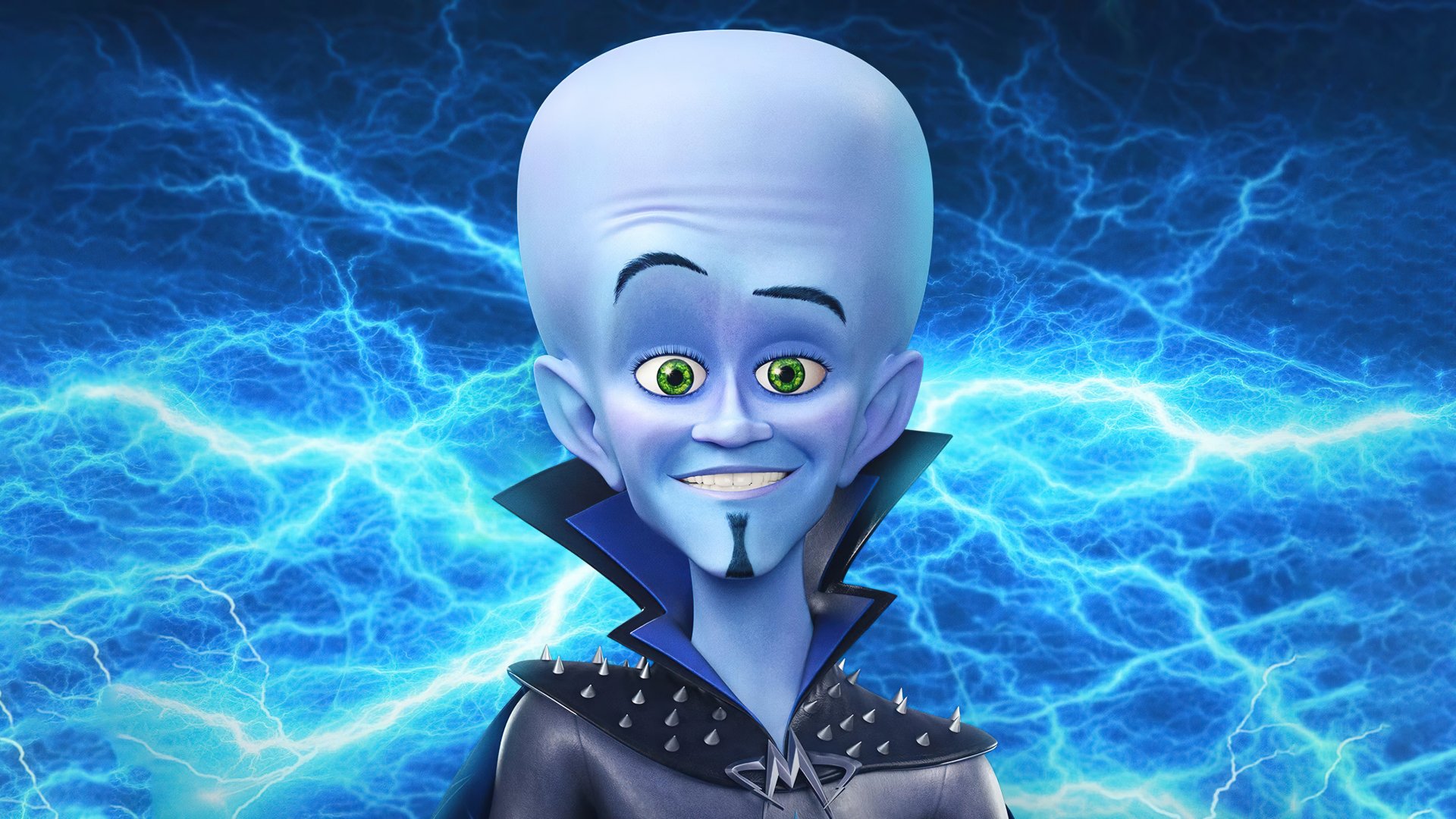
Internet humor relies on hyper-specific framing, and few visual tropes capture intense fixation quite like the extreme close-up. When digital spaces flooded with variations of dramatic facial framing, audiences responded to an underlying visual language that conveys immediate intensity, mock judgment, and hyper-fixation. This aesthetic reaches peak comedic delivery through character framing that breaks standard cinematic boundaries, forcing viewers into an uncomfortably intimate perspective.
Understanding why these formats dominate feeds requires looking past simple amusement into visual psychology and modern communication habits. Memes function as shorthand for complex social emotions, letting communities express subtle attitudes without writing paragraphs. Let us break down the mechanics, cultural impact, and psychological appeal driving these viral image macros.
The Visual Mechanics of Extreme Close-Up Framing
Traditional cinematography uses close-ups to build emotional intimacy, tension, or vulnerability. In internet culture, creators subvert this technique by pushing framing to an absurd, distorted extreme. When a character fills the entire canvas with exaggerated facial features, the normal boundaries of personal space vanish.
This hyper-focused perspective triggers immediate cognitive engagement. Human brains are hardwired to read facial cues instantly, scanning eyes, mouths, and brows for intent or threat. By stripping away background context and forcing viewers to stare directly into a stylized, oversized face, the image macro creates a mock confrontation.
- Spatial Distortion: Removing background elements heightens focus on micro-expressions.
- Exaggerated Proportions: Animation styles naturally distort features, which creators exploit for comedic emphasis.
- Direct Gaze: Breaking the fourth wall by looking straight at the viewer commands immediate attention.
Psychological Drivers Behind the Trend
Why do people share and react to aggressive close-up macros? The appeal rests on psychological projection and the safe distance of humor. When a digital creator posts a distorted face paired with a sharp caption, they simulate social scrutiny without real-world stakes.
Users often project their own insecurities, absurd daily scenarios, or ironic judgments onto the character's expression. This mechanism mirrors how people use self-deprecating humor to cope with awkward social situations. The character acts as an avatar for critical internal monologues or sudden, intense cravings—hence why variations often capture that exact mental state of wanting something so badly it feels tangible.
Furthermore, internet users appreciate irony. Pairing a high-definition, uncomfortably close animation frame with mundane or deeply specific modern predicaments creates a comedic contrast. The gravity of the visual mismatch generates instant shareability across social platforms like Know Your Meme.
Evolution from Animation to Viral Macro
Characters from animated features often find second lives online because their expressions are already stylized for maximum readability. Animators design facial features to communicate emotional states clearly to broad audiences, making them ideal raw material for digital creators.
When a specific frame is isolated from its original narrative context, it sheds its initial meaning and adopts a completely new subculture lexicon. The transition from a passing cinematic moment to a repeatable image macro follows a predictable trajectory across digital platforms:
- Isolation: A user spots an unusual, highly expressive frame from a film or show.
- Decontextualization: The frame is cropped tightly, stripping away plot details.
- Caption Pairing: Bold impact font or minimal text establishes a recurring thematic joke.
- Mutation: Community members redraw, deep-fry, or remix the template to fit fresh contexts.
This cycle accelerates as algorithms favor high-contrast visuals that stop users mid-scroll. A massive, looming face breaks the visual monotony of standard text posts and landscape photos.
Common Pitfalls in Meme Analysis
When digital culture critics attempt to decode viral templates, they frequently fall into specific traps. Recognizing these mistakes helps maintain an accurate perspective on internet trends:
- Over-Intellectualizing: Treating casual shitposting as a profound sociological manifesto often misses the primary driver: simple, fast absurdity.
- Ignoring Platform Dynamics: Analyzing a macro without considering where it lives—such as TikTok video comments or Discord reaction images—ignores how context shifts meaning.
- Treating Trends as Permanent: Meme lifecycles run fast; treating a transient format as a permanent shift in communication ignores the fluid nature of online slang.
For a broader look at how digital communication trends evolve, check out resources on Pew Research Center for ongoing studies on internet behavior and media consumption.
Frequently Asked Questions
What makes extreme close-up templates effective for engagement?
They break visual monotony in social media feeds and force an immediate psychological reaction by simulating direct eye contact and intense personal space invasion.
Why do animated characters dominate image macro culture?
Animated features rely on exaggerated proportions and clean lines, making facial expressions instantly recognizable even when cropped and compressed for digital sharing.
How do captions change the meaning of a static image?
Captions act as an interpretive lens. The exact same facial expression can represent judgment, excitement, confusion, or obsession depending entirely on the text overlay.
Are these formats here to stay?
While specific character templates cycle in and out of popularity rapidly, the underlying visual strategy of using distorted close-ups for comedic irony remains a staple of modern digital communication.



