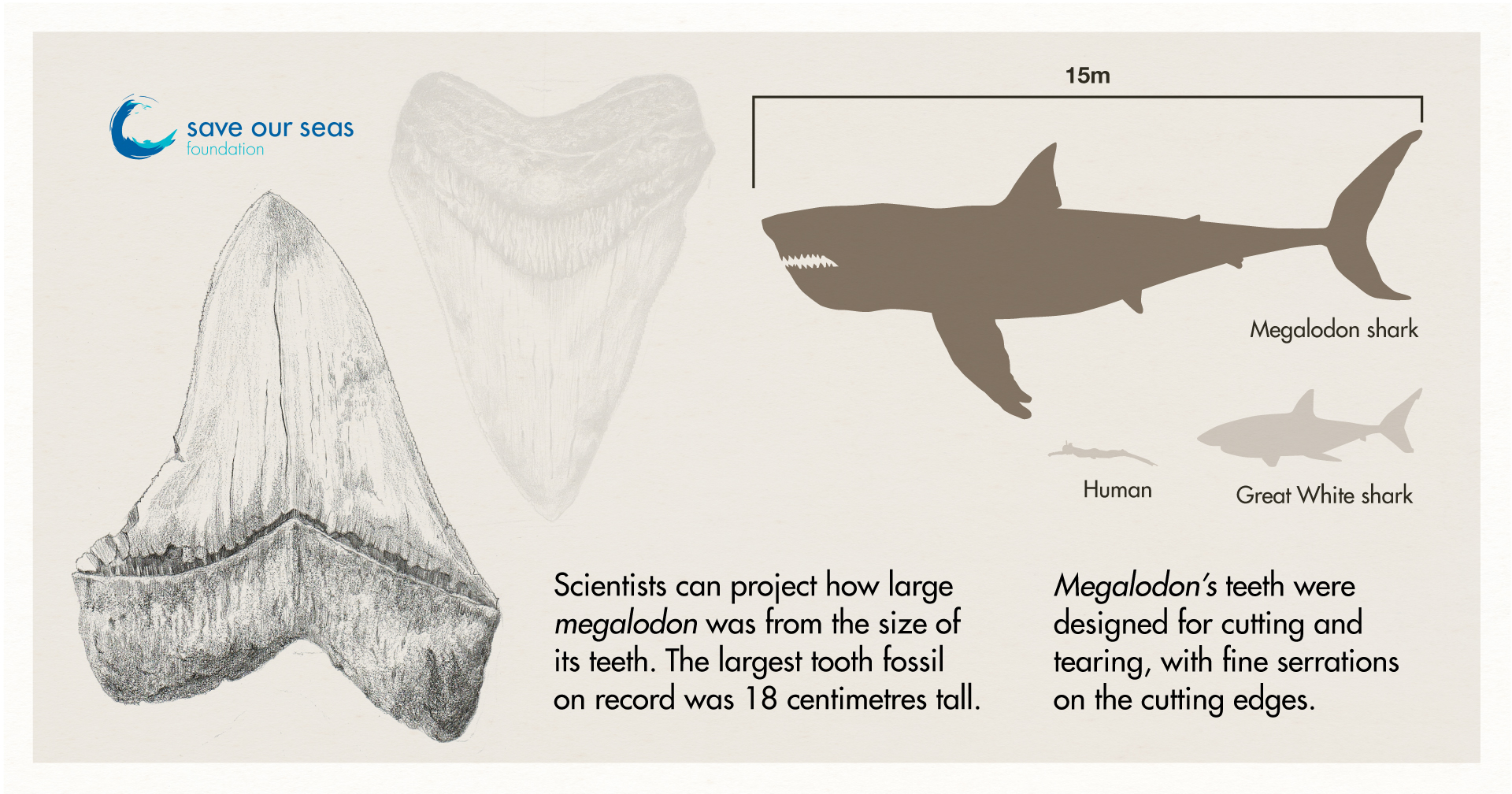
When two of the largest apex predators in Earth's history shared the oceans during the Miocene epoch, a clash between them would have reshaped marine ecosystems. The giant shark Megalodon (Otodus megalodon) and the hyper-predatory sperm whale Livyatan melvillei sat at the absolute top of the marine food chain. While they lived during overlapping periods, direct physical combat between individual specimens would have depended on size disparity, bite mechanics, and hunting strategies.
Megalodon dominated the ancient seas as a colossal, warm-regulated shark reaching lengths estimated between 15 and 20 meters. On the other side, Livyatan was a raptorial sperm whale equipped with massive, functional teeth in both jaws designed to hunt other large whales. Comparing these two prehistoric titans requires looking beyond simple length estimates to examine how their physical builds, sensory adaptations, and predatory arsenals would hold up in a direct confrontation.
Physical Specifications and Body Design
To understand how a battle would unfold, we have to look at the skeletal and muscular frameworks of both animals, reconstructed primarily from fossilized teeth and partial skull fragments.
Megalodon possessed a cartilaginous skeleton, meaning most of its physical record relies on massive triangular teeth that could exceed 17 centimeters in length. Modern scientific consensus places Megalodon's total length around 15 to 18 meters, with body mass estimates frequently landing between 50 and 70 metric tons. As a shark, it relied on hydrodynamic torpedo-shaped movement, gill respiration, and a regional endothermy that allowed it to maintain a higher core body temperature than the surrounding water.
Livyatan melvillei was discovered in Peru and named after the biblical leviathan and author Herman Melville. Unlike modern sperm whales that feed primarily on squid using suction, Livyatan was built for bone-crushing violence. Its skull measured roughly 3 meters long, and its teeth reached up to 36 centimeters in length and 12 centimeters in diameter, making them some of the largest functional teeth in vertebrate history. Paleontologists estimate Livyatan reached lengths of 13.5 to 17.5 meters, with a mass comparable to modern large sperm whales, roughly 40 to 50 tons.
Bite Force and Offensive Weaponry
Weaponry is where the two predators diverge significantly. Megalodon had a wide, circular jaw construction filled with hundreds of serrated teeth designed to slice through thick blubber and bone. Its bite force is estimated to have reached over 100,000 Newtons, allowing it to easily crush the ribcages and flippers of medium-sized baleen whales. Megalodon's strategy relied heavily on crippling its prey by severing blood vessels or disabling swimming capability before delivering a fatal meal.
Livyatan possessed a long, narrow snout backed by massive temporal fossa and jaw-closing muscles meant to secure struggling, giant prey. While Megalodon's teeth were optimized for shearing, Livyatan's teeth were built to puncture, lock onto, and tear massive chunks of flesh from active targets. If Livyatan clamped down on a vital area, its interlocking teeth would prevent escape, utilizing the sheer weight and thrashing power of a cetacean body.
- Megalodon Weaponry: Wide gape, serrated slicing teeth, immense bite force.
- Livyatan Weaponry: Deep puncture teeth, bone-crushing grip, robust skull built for ramming and lateral shaking.
Environmental Adaptations and Senses
Survival in the Miocene ocean required more than raw power; sensory systems and metabolic efficiency dictated hunting success.
Megalodon benefited from the acute senses typical of lamniform sharks, including the ampullae of Lorenzini, which detect electrical fields generated by muscle contractions in prey. This gave the shark an immense tracking advantage in murky waters or deep-sea environments. Furthermore, its ability to regulate body temperature allowed it to transition smoothly between temperate and tropical coastal zones.
Livyatan, as a marine mammal, relied on advanced echolocation to map its environment and locate prey across vast distances. Echolocation gave Livyatan a distinct advantage in open-ocean tracking where visual cues were limited. Additionally, as an air-breathing mammal, Livyatan possessed high metabolic endurance and large lung capacity, allowing it to dive to extreme depths in search of food without the oxygen limitations faced by gill-breathing predators during prolonged struggles.
The Verdict: Who Wins the Fight?
In a hypothetical encounter between a fully grown Megalodon and a fully grown Livyatan, the outcome remains fiercely debated by paleontologists.
- Why Megalodon could win: Its superior size envelope at the maximum end of estimates, combined with specialized ambush tactics and devastating slicing bites to the fins or tail, could neutralize Livyatan's mobility. If the shark crippled the whale's ability to surface for air, the mammal would drown.
- Why Livyatan could win: Mammalian intelligence, advanced social or communicative structures if they hunted in pods, echolocation advantages, and a puncture-heavy bite capable of shattering cartilage and soft tissue give the whale a high-damage offense. A direct crush to Megalodon's neurocranium or gill region would prove fatal.
Ultimately, individual victory would come down to positioning and initiative. A surprise ambush by Megalodon targeting the flippers could handicap the whale. Conversely, Livyatan's ability to lock its jaws onto vulnerable areas and use its immense weight in a thrashing attack could overwhelm the shark. Because both species competed for the same food source—prehistoric baleen whales—they likely avoided direct combat whenever possible, preferring to target easier prey rather than risk mutual destruction.
Frequently Asked Questions
Did Megalodon and Livyatan ever actually meet?
Yes, fossil evidence indicates that both apex predators inhabited the marine ecosystems of the Miocene epoch, roughly 10 to 15 million years ago. Their geographic ranges overlapped significantly, particularly along coastal waters rich in prehistoric whale populations.
Which creature was larger?
Maximum size estimates place both animals in a similar weight class of 50 to 70 tons. Megalodon often gets modeled as slightly longer overall due to its elongated vertebral column, while Livyatan matched or exceeded it in sheer bulk and skull mass.
Did Livyatan hunt Megalodon?
There is no direct fossil evidence to suggest that Livyatan routinely hunted adult Megalodons. Both animals operated as apex predators, and preying on a rival of equal size would carry catastrophic risks of injury. They more likely competed indirectly for food resources like cetaceans.
Why did both predators go extinct?
Global climate cooling during the late Miocene and Pliocene epochs, combined with shifts in ocean circulation patterns, caused a dramatic decline in the warm-water baleen whales that both predators relied on for sustenance. As their primary food source dwindled and shifted habitats, neither giant could sustain its massive metabolic requirements. You can learn more about ancient climate shifts via the Smithsonian Ocean Portal.