Introduction to the Ancient Apex Predator
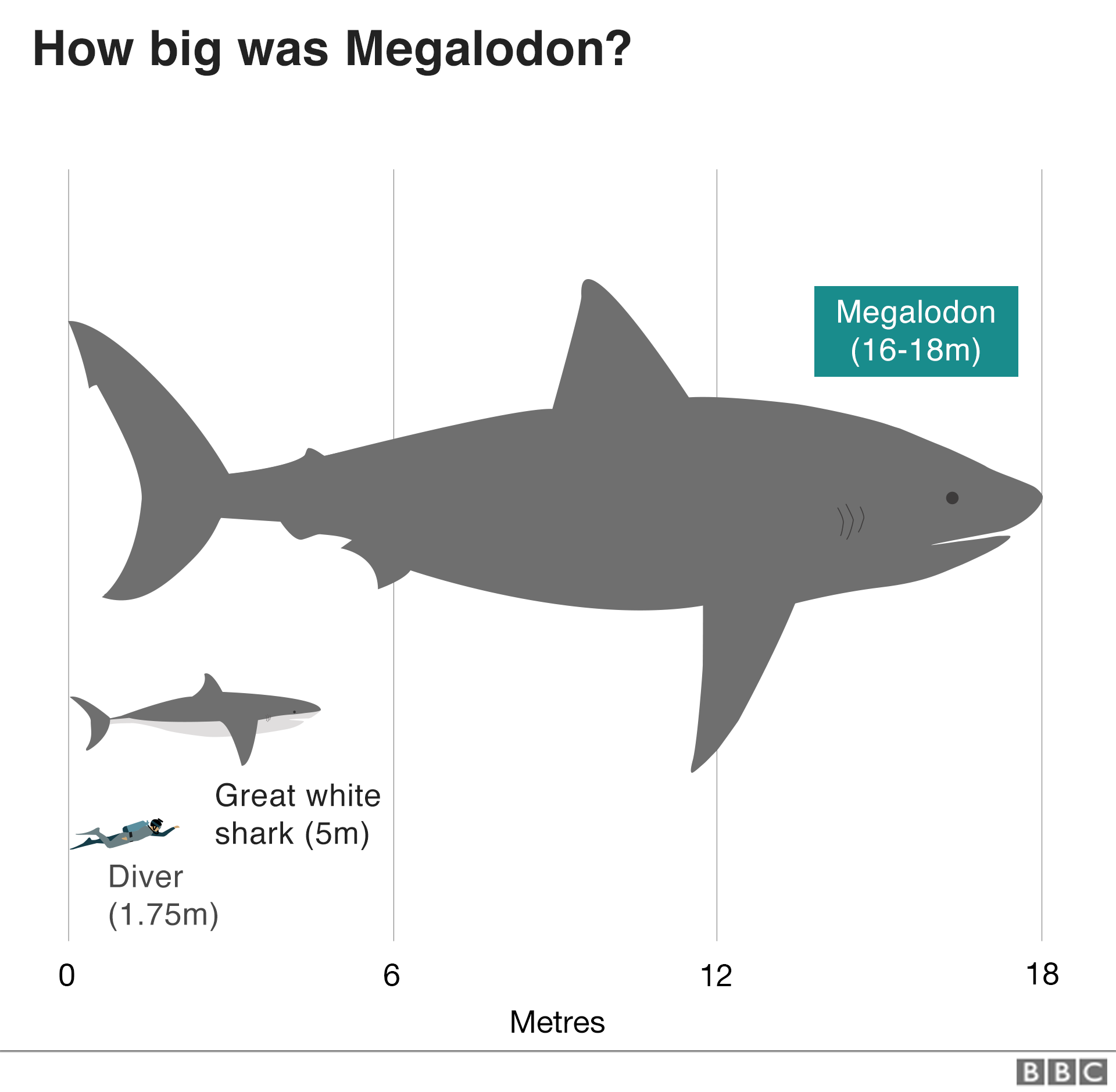
Megalodon (Otodus megalodon) was the largest shark to ever cruise the global oceans. It ruled marine ecosystems from roughly 23 million down to 3.6 million years ago during the Miocene and Pliocene epochs. Reaching lengths of up to 55 feet or more, this gigantic predator weighed between 50 and 60 metric tons. Its massive jaws possessed a bite force strong enough to crush the ribcage of a small whale.
While pop culture often paints it as a direct ancestor of the modern great white shark, scientific consensus now places it in an extinct lineage called the Otodontidae family. Understanding how this leviathan lived, hunted, and ultimately disappeared gives us a clearer picture of how ancient marine food webs functioned long before humans set sail.
Fossil Evidence and Scientific Classification
For centuries, beachgoers and miners stumbled upon massive, triangular teeth buried in coastal sediments. People called them tongue stones or glossopetrae, often believing they were the petrified tongues of dragons or serpents. In the seventeenth century, Danish naturalist Nicolas Steno correctly identified them as shark teeth, setting the foundation for modern paleontology.
Scientists eventually classified the species as Carcharocles megalodon for decades, linking it closely to the great white shark based on tooth similarities. Modern researchers use advanced dental and vertebral morphology to assign it to the genus Otodus. This means Megalodon is a cousin to modern sharks rather than a direct great white ancestor.
Fossilized teeth remain our most common window into its existence. These teeth often measure over seven inches in length, featuring serrated edges designed to slice through thick blubber and muscle. Because sharks have cartilaginous skeletons that rarely fossilize, researchers rely on isolated teeth, rare vertebral centra, and mathematical scaling models derived from living lamniform sharks to reconstruct its true size.
Anatomy, Size, and Bite Force
Megalodon wasn't just a scaled-up version of today's sharks; it was built with proportions tailored for extreme predation. Reconstructed jaw models reveal a gaping mouth that could swallow an adult human whole.
- Maximum Length: Estimates range conservatively from 50 to 55 feet, with some statistical models suggesting outliers reaching 65 feet.
- Estimated Weight: Between 50,000 and 100,000 kilograms, depending on body density and vertebral width calculations.
- Bite Force: Biomechanical studies estimate its bite force reached up to 40,000 pounds per square inch, easily surpassing Tyrannosaurus rex.
This immense power came from a thick, robust jaw structure backed by dense cartilage and powerful muscle attachments. When hunting, it didn't just rely on sudden ambush; its skeleton featured strong vertebrae adapted for sustained cruising speeds across warm coastal waters.
Diet and Hunting Strategies
Megalodon operated at the absolute top of the marine food web. Its primary menu consisted of marine mammals, including ancient whales, dolphins, seals, and sirenians. Fossilized whale bones from around the world bear deep bite marks and puncture wounds that match the precise spacing and serration pattern of Megalodon teeth.
Unlike modern great whites, which often target soft underbellies or soft tissues, Megalodon employed a brutal tactical approach against large prey. Its bite force allowed it to crush bones and target flippers or the tail region first, effectively immobilizing giant whales before finishing them off. This specialized diet required vast amounts of caloric energy, meaning the sharks had to patrol rich, highly productive coastal ecosystems.
Why Did Megalodon Go Extinct?
The extinction of Megalodon around 3.6 million years ago was not caused by a single catastrophic event. Instead, a combination of environmental changes and ecological pressures squeezed the species from multiple angles.
Climate cooling during the late Pliocene reduced the warm-water habitats that Megalodon preferred. As global temperatures dropped, the shallow, warm seas where these sharks mated and raised their young shrank dramatically. At the same time, their primary prey—baleen whales—adapted to colder polar waters by migrating away from the tropics, leaving the sharks with dwindling food sources in lower latitudes.
Competition also intensified. Emerging predators like early killer whales (Orcinus ancestors) and modern great white sharks entered the scene. These newer predators proved more agile and adaptable to changing marine conditions, outcompeting Megalodon for remaining food resources. Because Megalodon had a slow reproductive cycle and required massive caloric intake, even a minor drop in prey availability spelled disaster for the population.
Frequently Asked Questions
Could Megalodon still be alive in the deep ocean today?
No. Megalodon is entirely extinct. It was a coastal, warm-water predator that relied on marine mammals for food. If a 55-foot apex predator still roamed the oceans, we would see clear bite marks on whales, find fresh teeth on the seafloor, and detect its presence through modern ocean tracking and sonar.
How do scientists know how big Megalodon was?
Scientists use regression analyses by measuring the width of fossilized teeth and comparing them to the tooth-to-body-size ratios of living sharks like the great white and mako. Rare fossilized vertebrae provide additional data points for length and mass calculations.
Where can you find Megalodon teeth today?
Megalodon teeth are found on nearly every continent, often in riverbeds, coastal cliffs, and scuba-diving spots. Popular locations include Venice Beach in Florida, parts of North Carolina and South Carolina, and various coastal regions in Peru and Australia.
What is the difference between a great white shark and Megalodon?
While both are apex predatory sharks, they belong to different evolutionary families. Megalodon was vastly larger, possessed a radically stronger bite force, and had broader, thicker teeth designed for bone-crushing rather than the slender teeth great whites use to slice fish and seals. You can read more about prehistoric marine life via the Smithsonian Ocean Portal.