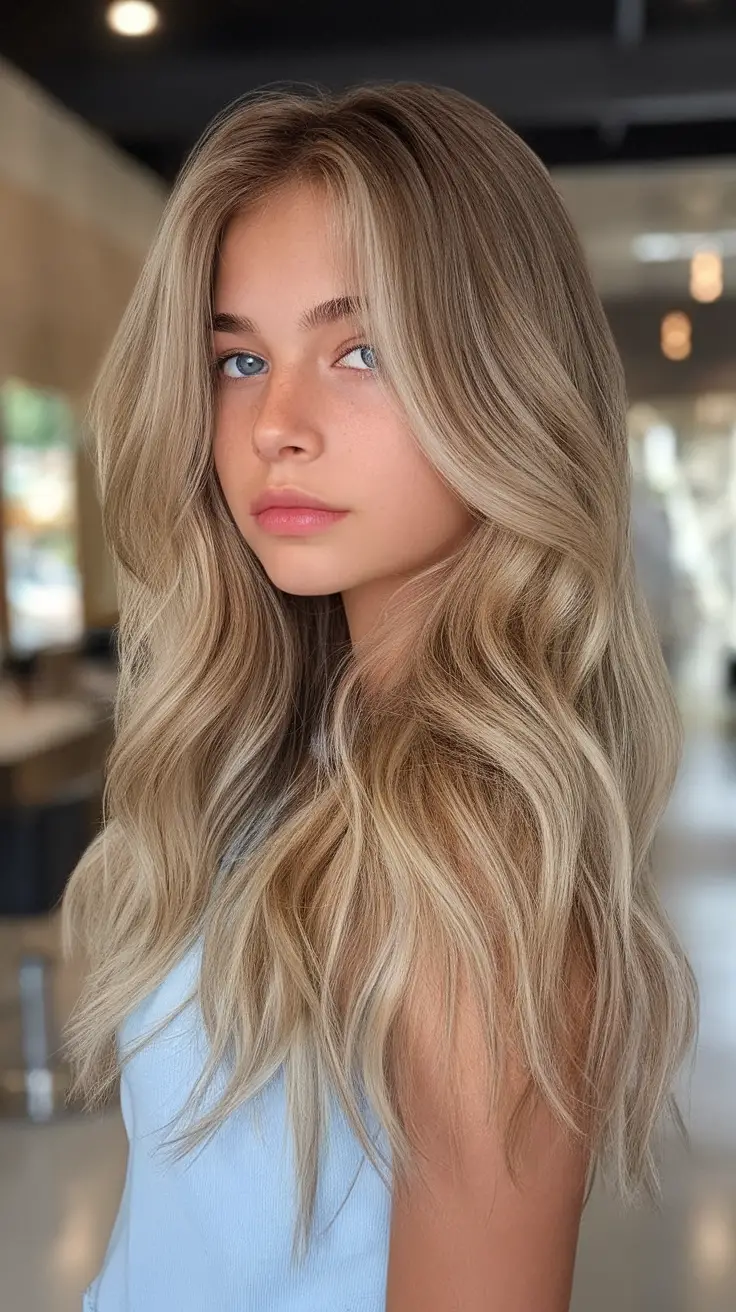
The medium bob is the ultimate sweet spot in contemporary hairstyling. It hits right between the jawline and collarbone, giving you enough length to pull back into a ponytail while keeping the lightweight bounce of a shorter cut. If you're tired of high-maintenance long locks but aren't ready to commit to a pixie cut, this is your ideal compromise.
Choosing the right medium bob requires understanding your face shape, daily styling habits, and hair texture. Let's break down everything you need to know to pull off this look successfully.
Anatomy of a Modern Medium Bob
Today's medium-length bobs aren't the rigid, blunt cuts of decades past. Modern variations rely on weight lines, subtle graduation, and texture to create natural movement.
- The Weight Line: This is the baseline perimeter of your haircut, usually sitting near the base of the neck. A sharp weight line creates a bold graphic statement, while a soft, textured edge feels relaxed.
- Graduation: This involves cutting hair slightly shorter at the back and longer toward the front. Gentle graduation creates a natural, rounded shape, whereas steep graduation produces a striking forward-sloping angle.
- Internal Layers: Stylists use texturizing shears or razors to remove bulk from dense hair without sacrificing overall length, preventing the dreaded "triangle head" effect.
Finding Your Match: Face Shapes and Variations
Not every bob flatters every face shape. Matching your cut to your bone structure makes all the difference.
Round Faces
If your face is equal in width and length, your goal is to add vertical lines and slim the cheeks. Opt for an angled medium bob with longer front pieces that drop well below the chin. Avoid chin-length blunt bobs, which amplify roundness.
Square Faces
Strong, angular jaws look incredible when softened with movement. Choose a textured, layered bob with subtle waves or a side part that breaks up heavy geometric lines. Keep the ends soft and feathered rather than sharp and blunt.
Oval Faces
Consider yourself lucky if you have an oval face shape, as almost any style works. You can pull off a razor-sharp blunt cut, a messy shaggy lob, or a classic French bob with curtain bangs.
Heart Faces
If you have a wider forehead and a narrow, pointed chin, you want to add fullness around the jawline. A chin-to-collarbone bob with flipped-out ends or soft waves near the bottom balances your proportions perfectly.
Daily Styling Techniques
How you style your medium bob defines its entire vibe. Here are three distinct ways to wear the cut depending on your schedule.
The Sleek Polish
Achieve a glossy, sophisticated look by applying a lightweight smoothing cream to damp hair. Blow-dry using a paddle brush to direct ends slightly inward. Finish with a ceramic flat iron and a drop of argan oil for high-shine perfection.
The Textured Tousle
For an effortless, undone aesthetic, spritz damp hair with a sea salt spray or texturizing mist. Scrunch your strands and diffuse on medium heat, or let them air dry. Wrap random sections around a 1.25-inch curling wand, leaving the ends straight for a modern finish.
The Half-Up Knot
When you're running late, gather the top half of your hair above the crown and twist it into a mini topknot secured with bobby pins. This highlights the sharp perimeter of your bob while keeping stray pieces out of your face.
Maintenance and Salon Schedule
A medium bob looks incredible when fresh, but it demands consistent upkeep to stay sharp.
- Trim Frequency: Book a cleanup appointment every 6 to 8 weeks. Letting it grow past the shoulder transforms it into an awkward transitional length that loses its intended shape.
- Heat Defense: Because mid-length hair frequently brushes against coat collars and shoulders, it's prone to friction damage. Always use a thermal protectant spray before using hot tools.
- Scalp Care: Shorter hair exposes the scalp more directly to environmental buildup. Use a clarifying shampoo once every two weeks to remove dry shampoo and styling product residue.
You can explore professional hair care guidelines and scalp health insights directly from the American Academy of Dermatology Association.
Frequently Asked Questions
Will a medium bob work with curly or coily hair?
Yes, but the cutting technique must change. Curly hair springs up significantly when dry, so your stylist should cut your hair dry or account for shrinkage to avoid an unexpected ultra-short result.
How do I stop my bob from flipping out at the shoulders?
That awkward flip happens when your hair hits your collarbone. You can combat it by blow-drying your ends forward and under using a round brush, or by asking your stylist to thin out the internal weight at the nape.
What is the difference between a bob and a lob?
A traditional bob stops right around the jawline or chin, whereas a "lob" (long bob) falls anywhere from the mid-neck down to the collarbone. Both share similar structural principles, but the lob offers more tying-back versatility.
Can I get a medium bob if I have thin, fine hair?
A blunt, one-length medium bob actually makes fine hair look significantly thicker and denser by concentrating all the weight at the bottom perimeter. Avoid heavy layering if your hair is very fine.



