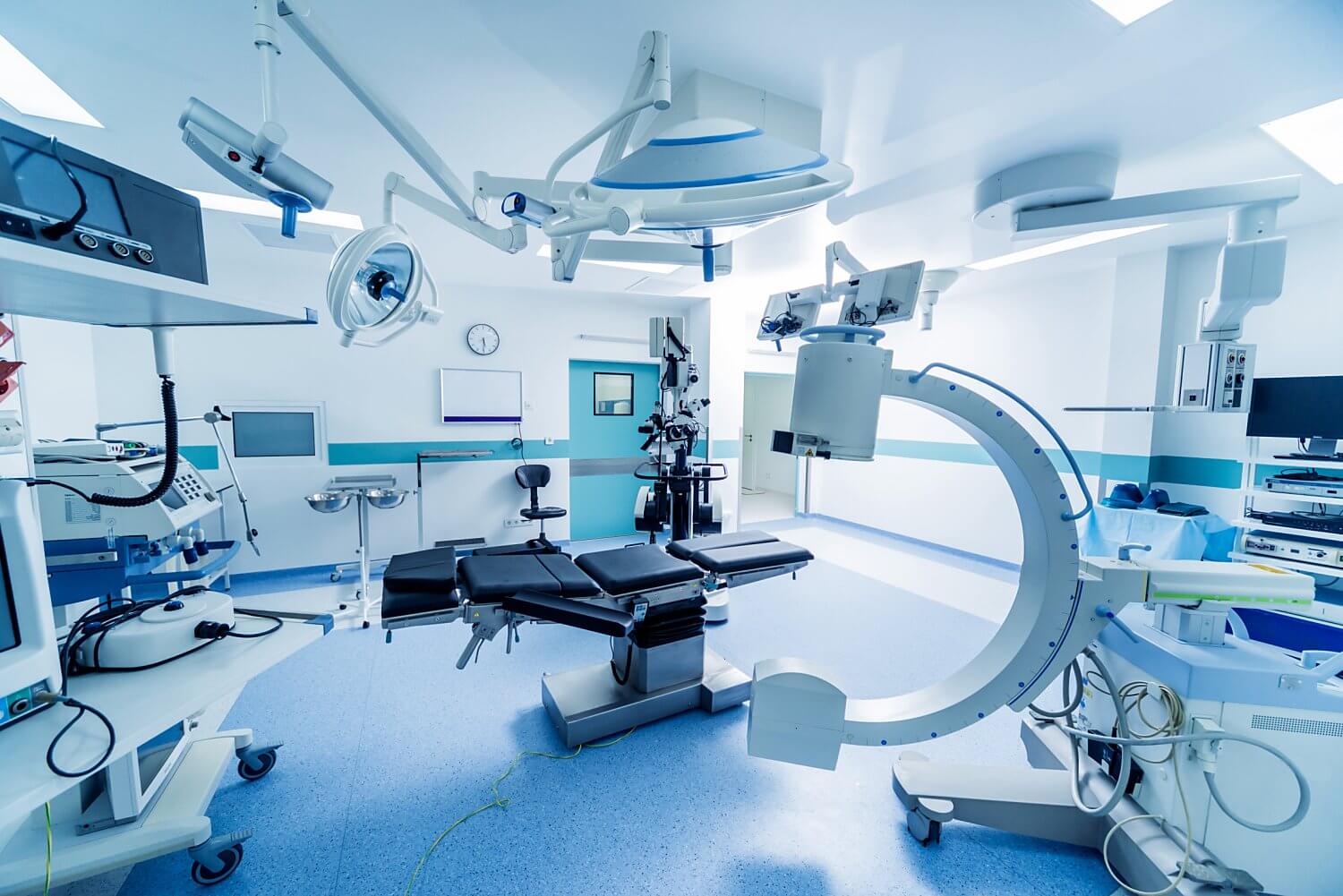
A medical biology centre functions as a high-throughput research engine where molecular biology meets clinical diagnostics. Instead of operating as a static sample repository, a modern facility brings together genomic sequencers, mass spectrometers, and high-performance computing clusters under one roof. This infrastructure allows scientists to map complex disease pathways, trace metabolic changes, and speed up the journey from bench discovery to patient care.
If you're studying how specialized laboratories translate raw biological data into real-world medicine, you need to understand the core instrumentation, the operational workflows, and the data management hurdles that define these centers. Let's break down how these facilities operate and what makes them essential for advanced biomedical research.
Core Laboratory Infrastructure and Equipment
Modern biomedical research relies heavily on high-precision instrumentation. Without a coordinated suite of analytical tools, identifying novel drug targets or disease biomarkers becomes nearly impossible. Here are the primary technologies housed within a standard facility:
- Next-Generation Sequencing (NGS) Platforms: Instruments capable of rapid whole-genome, exome, and transcriptome analysis to spot genetic mutations and gene fusions linked to specific pathologies.
- Mass Spectrometry Systems: Dedicated mass spectrometers used for proteomics and metabolomics profiling, identifying proteins, post-translational modifications, and small molecule metabolites.
- Advanced Imaging Suites: Confocal, super-resolution, and multiplexed imaging systems that visualize cellular and sub-cellular processes in real time.
- High-Performance Computing (HPC) Clusters: Dedicated server architecture required to run complex bioinformatics pipelines and process terabytes of raw genomic data.
- Automated Biobanking Systems: Temperature-controlled specimen management infrastructure that tracks and preserves tissue, blood, and fluid samples for longitudinal studies.
These instruments don't operate in isolation. For example, when a genomic sequencer identifies a candidate gene mutation, researchers use mass spectrometry to confirm whether the altered gene actually translates into abnormal protein expression. This multi-modal approach reduces false positives and strengthens experimental validity.
Strategic Operations and Translational Research
Having expensive equipment isn't enough to drive breakthroughs. A successful centre relies on structured operational strategies to turn raw data into clinical applications.
Collaboration sits at the center of this strategy. Leading facilities partner with academic universities, pharmaceutical companies, and clinical hospitals to access diverse patient populations and specialized expertise. This open network helps bridge the gap between basic laboratory science and clinical trials.
Workforce training is another critical operational pillar. Staff must stay updated on rapidly evolving protocols, including CRISPR gene editing techniques and machine learning algorithms designed for predictive modeling. When laboratories invest in ongoing technical training, they reduce human error and improve overall assay reproducibility.
Regulatory compliance and ethical governance protect both the participants and the institution. Facilities must adhere to strict data security guidelines, such as HIPAA standards in the United States or GDPR frameworks in Europe, especially when handling identifiable human genomic data. Institutional Review Boards (IRBs) review all protocols involving human tissue or patient samples before testing begins.
Overcoming Data Management and Financial Challenges
Running a high-throughput biomedical facility comes with distinct operational hurdles. As sequencing and imaging technologies improve, the volume of generated data grows exponentially. This "data drowning" phenomenon can quickly overwhelm local IT infrastructure and slow down analysis pipelines.
To handle these massive datasets, many centers migrate their data storage and bioinformatics workloads to cloud-based computing environments. Cloud platforms offer scalable storage solutions and flexible computing power, allowing researchers to run heavy workloads without buying expensive local servers.
Funding is another persistent constraint. High equipment purchase costs, maintenance contracts, and specialized salaries require a diversified funding model. Successful centers combine public research grants, private philanthropic donations, and industry partnership contracts to maintain financial stability. Many institutions also choose to specialize in high-impact research niches, such as rare genetic disorders or antimicrobial resistance, to build deep expertise and secure targeted grants.
Frequently Asked Questions
What is the primary function of a medical biology centre?
A medical biology centre serves as a centralized research hub that combines advanced laboratory instrumentation with clinical data analysis to study disease mechanisms, identify biomarkers, and translate laboratory discoveries into diagnostic or therapeutic applications.
How do researchers handle massive datasets in biomedical facilities?
Centers typically rely on high-performance computing (HPC) clusters and scalable cloud-based bioinformatics pipelines to process, store, and analyze large-scale genomic and proteomic datasets safely and efficiently.
Why is multi-modal data integration important?
Combining data from multiple technologies—such as matching genomic sequencing results with proteomic mass spectrometry and cellular imaging—helps cross-verify findings, reduce false-positive results, and provide a complete picture of cellular function in health and disease.
What role do Institutional Review Boards play in these facilities?
Institutional Review Boards (IRBs) review and approve all research protocols involving human subjects, patient samples, or sensitive medical data to ensure ethical standards, participant safety, and regulatory compliance are maintained.