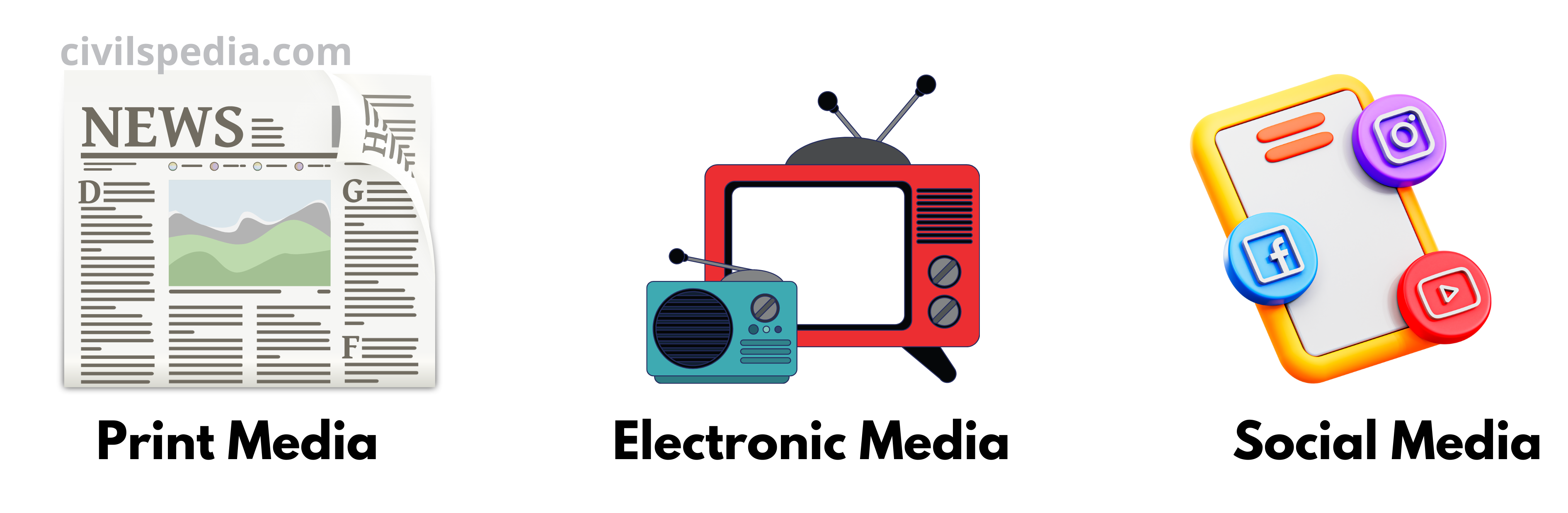
We live in an era where the daily news cycle doesn't just report events; it actively constructs how we feel about them. When you watch a broadcast or read a digital headline, you're not getting a pure window into the world. You're getting a curated version of reality designed to trigger specific emotional responses. Understanding how modern media outlets frame stories is essential for anyone trying to navigate today's information ecosystem without being manipulated.
Media bias isn't always about outright fabrication. More often, it operates through omission, framing, and emotional language. Outlets across the political spectrum choose which facts deserve the spotlight and which get buried. By recognizing these patterns, you can look past the noise and evaluate information on its actual merits. Let's break down the mechanics of modern news framing, why it happens, and how you can protect your own critical thinking.
The Anatomy of News Framing and Bias
Every story has a frame. Think of a camera lens: what's kept inside the frame feels vital, while everything left outside ceases to exist for the viewer. Media organizations use framing to establish the context of a debate before the audience even starts evaluating the facts.
When a major economic policy passes, one network might frame it through the lens of corporate greed and environmental risk. Another might frame it through job creation and market freedom. Both networks use real data, but they present entirely different realities. This selective focus creates a polarized public where people aren't just disagreeing on solutions—they're operating from entirely different sets of perceived facts.
- Selection bias: Deciding which stories make the front page and which are ignored entirely.
- Tone bias: Using loaded adjectives that signal to the audience how they should feel about a person or event.
- Source selection: Relying repeatedly on partisan experts while introducing them with neutral titles like "independent analyst."
According to a study by the Pew Research Center, public trust in mass media remains near historic lows, driven largely by the perception that news organizations care more about advancing a narrative than presenting objective facts. When audiences feel patronized or misled, cynicism replaces engagement.
Common Psychological Triggers Used to Shape Opinion
Media strategists know that human brains are hardwired to respond to threat, conflict, and belonging. To keep viewers hooked, modern media relies on psychological mechanisms that bypass rational analysis.
Fear is the most reliable driver of engagement. Headlines that suggest imminent danger or systemic collapse force an adrenaline response. Once you're anxious, you're far more likely to accept simple answers and demonize opposing groups. This creates an environment where nuance dies because nuance doesn't generate clicks or shares.
Another powerful mechanism is the creation of an in-group and an out-group. By painting ideological opponents not just as wrong, but as morally corrupt or dangerous, outlets solidify their core audience's loyalty. It's no longer a policy disagreement; it's an existential struggle. This tribalism makes compromise impossible and turns political discourse into a spectator sport.
Trigger Event ➔ Emotional Amplification (Fear/Outrage) ➔ Tribal Polarization ➔ Policy Acceptance
The Economic Incentives Behind Sensationalism
Why do media companies push such extreme framing? The answer is simple economics. In a digital media ecosystem driven by advertising revenue and subscription models, attention is currency.
Calm, balanced reporting of complex policy details doesn't go viral. Outrage does. Algorithms designed to maximize user retention quickly learn that sensational, divisive content keeps eyeballs glued to screens longer. Media outlets respond to these financial incentives by dialing up the drama.
- Clickbait architecture: Writing headlines that intentionally obscure facts to provoke curiosity or anger.
- Speed over verification: Rushing to break a story before the facts are clear, leading to widespread retractions later.
- Echo chamber feedback: Tailoring content precisely to what a specific audience segment wants to hear to prevent churn.
This commercial pressure transforms journalism from a public service into an entertainment industry optimized for emotional arousal. Recognizing this business model is the first step toward immunizing yourself against its effects.
How to Build Media Literacy and Resist Manipulation
Protecting your perspective doesn't mean abandoning all news; it means changing how you consume it. You can build a robust personal defense system against media manipulation by adopting a few practical habits.
First, diversify your information diet intentionally. Don't just look for outlets that validate your preexisting worldview. Read primary sources whenever possible—such as raw legislation, unedited transcripts, or direct scientific studies—before reading commentary about them.
Second, pay attention to the language used in headlines and leads. If an article uses emotionally charged words like "slams," "destroys," or "shocks" in a non-opinion piece, step back. That's a signal that the writer wants you to react rather than think.
- Check the sources: Look past the initial expert quoted. Who funds the organization conducting the study or poll?
- Look for omissions: Ask yourself what crucial context or counter-argument the article left out.
- Delay your reaction: If a headline makes your blood boil, wait an hour before sharing or commenting on it. Outrage is designed to require zero digestion time.
For additional resources on media evaluation and spotting misinformation, the International Center for Journalists offers deep dives into global reporting standards and verification tools.
Frequently Asked Questions
What is the difference between media bias and fake news?
Media bias involves slanting, framing, or selectively choosing true facts to support a specific narrative or worldview. Fake news consists of entirely fabricated stories, deepfakes, or deliberate outright lies presented as factual reporting. While bias distorts reality, fake news invents it.
Why do media outlets seem more polarized now than in the past?
The shift from print and traditional broadcast to digital and social media changed the economic model of news. Outlets used to rely on broad local audiences, requiring a centrist tone to avoid alienating subscribers. Today, digital media relies on targeted advertising and niche ideological markets, rewarding extreme polarization with higher engagement.
How can I tell if a news source is reliable?
Reliable sources clearly separate news reporting from opinion pieces, readily issue transparent corrections when they make mistakes, and link directly to primary documents or data sets rather than relying on anonymous hearsay.
Does watching alternative media solve the bias problem?
Not necessarily. While alternative media can offer perspectives ignored by mainstream outlets, many alternative platforms operate with even steeper ideological biases and fewer editorial checks. The goal shouldn't be finding one "pure" source, but cross-referencing multiple credible sources with conflicting viewpoints.


