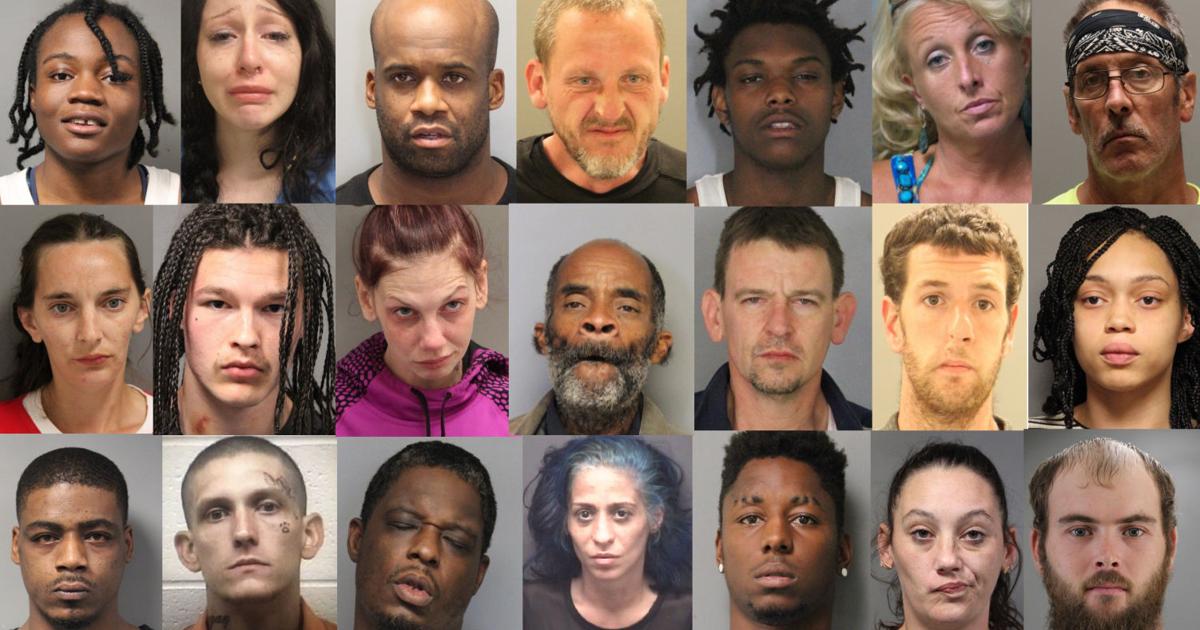
Navigating Mecklenburg County mugshots requires understanding how North Carolina public records laws intersect with modern digital archives. When someone gets arrested in Charlotte or surrounding areas, booking photographs and arrest charges routinely enter public view. While public access remains a cornerstone of transparency, digital aggregation sites often copy these records, leaving lasting marks online long after legal matters resolve.
Under North Carolina public records statutes, arrest records and booking photos generally function as government records open for public inspection. Local law enforcement agencies, including the Mecklenburg County Sheriff's Office, operate under state mandates that treat booking logs as accessible information. However, striking a balance between community oversight and personal privacy rights sparks ongoing legal debates, especially as third-party scrapers index these images into permanent search engine results.
The Legal Framework of Public Access in North Carolina
North Carolina General Statutes govern what information remains open to citizens. Arrest logs, court dockets, and basic booking data typically qualify as public information. This transparency allows communities to monitor law enforcement actions and court proceedings.
Yet, public access does not mean information has zero boundaries. State laws protect sensitive items like juvenile records, sealed files, and expunged histories from public disclosure. When a criminal charge results in a dismissal, a not-guilty verdict, or an expungement, legal protections kick in to shield the individual's history. Despite these protections, independent websites often scrape booking photos before cases conclude, creating digital footprints that persist independently of official court databases.
How Digital Archives Aggregate Mecklenburg County Records
Commercial mugshot publishing sites and data brokers scour local jail logs and police blotters daily. Once they harvest a booking photo from Mecklenburg County, they publish it on private platforms designed to rank high in search engine results.
Many of these operators exploit the permanence of the internet. They post names, charges, and booking photos, then charge fees to remove them—a predatory practice that various states have tried to restrict through legislation. Because these platforms operate as private entities rather than government agencies, forcing a takedown requires navigating specific legal channels rather than relying solely on standard public records requests.
Protecting Privacy Rights and Managing Digital Reputations
If you're dealing with an old booking photo or arrest record circulating online, several practical steps help reclaim your digital privacy. Understanding the distinction between official government portals and commercial third-party sites determines your strategy.
- Verify your official record status: Check whether your case was dismissed, dropped, or resulted in an acquittal. Visit the North Carolina Judicial Branch to understand official court record statuses.
- Pursue an expungement if eligible: If your case meets state criteria for dismissal or a not-guilty verdict, work with a legal professional to file for an expungement. An official expungement order legally mandates the removal or sealing of government-held records.
- Submit removal requests to publishers: Once records are sealed or expunged, contact individual website administrators. Provide documentation proving the dismissal or expungement, as many sites comply with takedown requests when official legal status changes.
- Use search engine removal tools: If outdated content has been removed from the source site or if a court order changes the public status, utilize search engine removal tools like the Google Outdated Content Tool to clear cached results and thumbnail images from search engine displays.
Common Mistakes to Avoid
When individuals discover their mugshot online, panic often leads to ineffective or counterproductive actions. Avoid these common missteps:
- Don't pay extortion fees to commercial mugshot websites. Paying operators often validates their business model and doesn't guarantee permanent removal across other mirror sites.
- Don't rely on angry emails or informal cease-and-desist letters. Private publishers frequently ignore messages that lack legal backing.
- Don't assume government agencies control third-party copies. Local police departments cannot force private internet archives to delete content they previously obtained through legal public records requests.
Frequently Asked Questions
Are all Mecklenburg County mugshots public record?
Most booking photos taken by law enforcement agencies start as public records under state transparency laws. However, if a case is expunged or sealed by a judge, the legal status changes, restricting public availability and requiring agencies and publishers to remove or restrict access.
Can I get my mugshot removed if charges were dropped?
Yes, if your charges were dismissed or you were found not guilty, you have strong grounds to request removal. You may need to formally clear your record through an expungement process before commercial sites will comply with takedown requests.
How do search engines handle old arrest photos?
Search engines index content directly from web pages. If the underlying website removes the mugshot or updates its page, search engines will eventually drop the link during recrawling. You can also manually submit removal requests to search engines for outdated snippets or cached images.
Do data brokers have to comply with North Carolina removal laws?
State laws increasingly regulate commercial entities that charge fees for removing booking photos. When a criminal record is officially expunged, individuals gain stronger legal footing to demand removal from any platform displaying the data.



