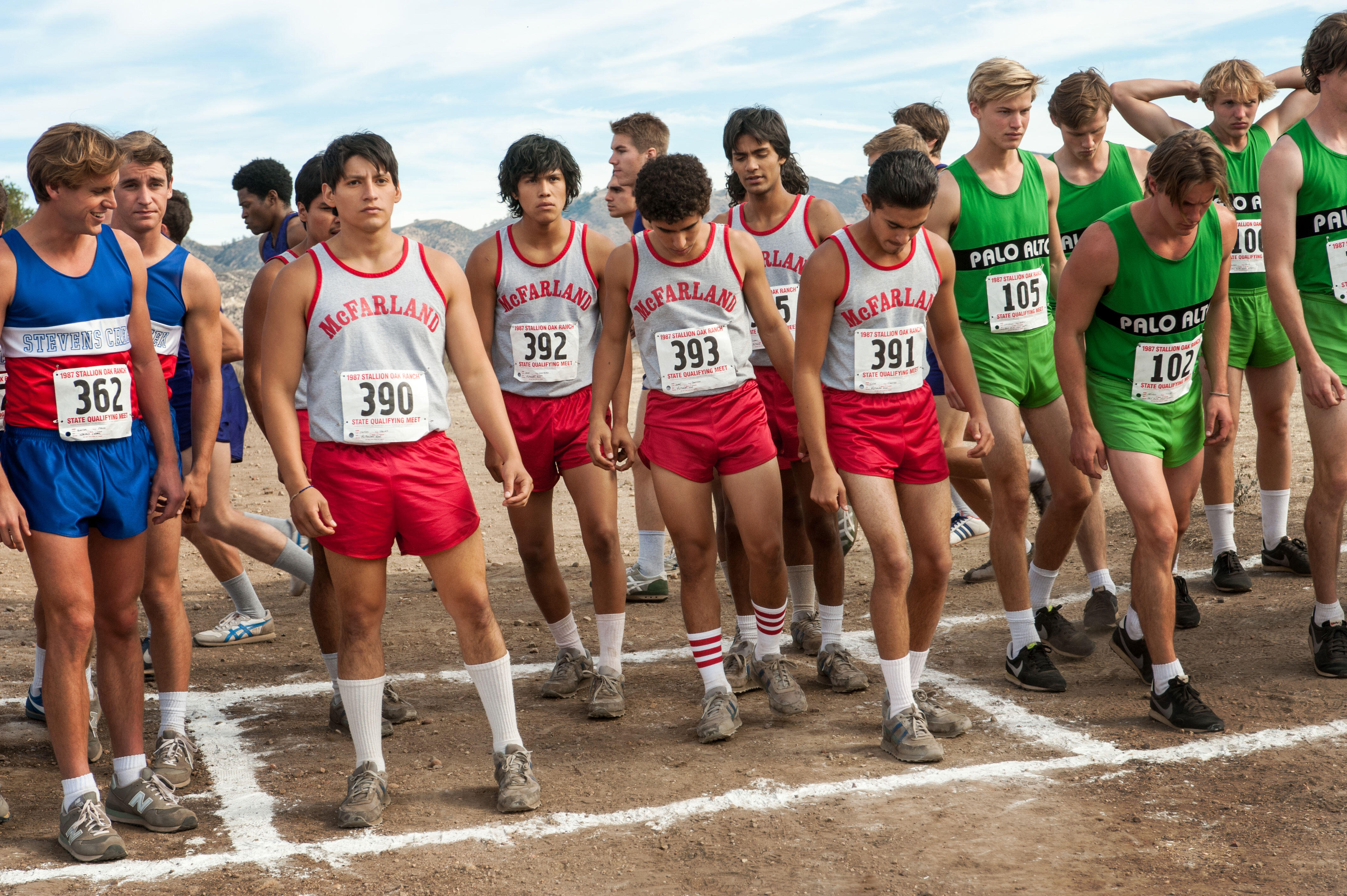
When Disney released McFarland, USA in 2015, sports drama tropes dictated a predictable formula. Yet the film avoided feeling hollow by leaning heavily on a young, largely unknown ensemble cast. Instead of relying purely on polished Hollywood commodities, director Niki Caro populated the screen with raw talent, including local teenagers from the Central Valley farming town where the true story took place. That casting choice transformed a standard biographical sports flick into a genuine portrayal of working-class dignity, grit, and community solidarity.
Understanding why these performances resonate requires looking past Kevin Costner's marquee name. The heart of the movie lives in its young actors—many of whom drew directly from personal hardships, local athletic backgrounds, and cultural roots to breathe life into the 1987 McFarland High School cross-country team.
The Power of Local Casting: Blurring Fact and Fiction
Casting director Shannon Makhanian and director Niki Caro made a deliberate choice to source local talent rather than relying exclusively on experienced Los Angeles actors. Three of the seven core actors who played the McFarland team members—Sergio Avelar, Michael Aguero, and Ramiro Rodriguez—hailed directly from the McFarland area.
This local injection changed the texture of the production. For instance, Sergio Avelar (who played Victor Puentes) and Michael Aguero (who played Damacio Diaz) were actual runners with deep ties to the region. Avelar had spent years running in local clubs, and coincidentally, one of his middle school coaches was the real-life Thomas Valles—the very runner whom actor Carlos Pratts portrayed on screen.
That proximity to the source material eliminated the glossy artifice often found in sports biopics. The teenagers on screen didn't need to fake the physical exhaustion or the specific posture of kids who spent long hours working alongside their families in the California almond and grape fields. Their environment was already stamped into their physical presence.
Physical Transformation and Rigorous Training
Playing elite high-school cross-country runners demanded intense physical preparation. The actors weren't just playing athletes; they had to look and move like endurance competitors who could log grueling miles across dusty terrain.
Carlos Pratts, who led the ensemble as Thomas Valles, underwent a rigorous transformation. Working alongside fitness trainer Brian Nguyen—known for preparing actors for demanding physical roles—Pratts endured early morning runs and strength conditioning sessions for a month before filming began. The young cast trained under professional coach Mark Ellis, running miles across Southern and Central California locations to build authentic stamina.
- Endurance Building: Actors ran 5 to 6 miles every morning to build genuine cardiovascular capacity.
- Dietary Discipline: Nutrition regimens were tightly controlled to match the lean, wiry frames of competitive distance runners.
- On-Set Integration: Running sequences were captured practically, requiring the actors to sustain real pacing under desert heat.
This physical investment paid off on screen. When the characters push through exhaustion during the state championship race, the strain visible on the actors' faces isn't acting alone—it's the product of weeks of shared physical hardship.
Breaking Stereotypes Through Vulnerability
Sports films about Latino communities often fall into tired traps, leaning on heavy-handed tropes about gangs, poverty, or insurmountable despair. McFarland, USA walked a fine line, acknowledging systemic economic struggles while prioritizing the joy, loyalty, and familial warmth shared among the boys.
Cast members like Hector Duran (Johnny Sameniego) and Carlos Pratts brought personal context to their roles. Pratts has spoken openly about his desire to choose projects that project dignity and depth, avoiding flat stereotypes. By focusing on the quiet bonds between brothers and teammates—such as the Diaz family dynamic portrayed in the film—the actors grounded the narrative in emotional truth rather than melodrama.
The camaraderie wasn't just manufactured for the cameras. To build a genuine family unit, director Niki Caro had the young cast and veteran actors play Monopoly together during pre-production. That exercise fostered an authentic off-screen bond, which translated into the seamless, easy chemistry visible during the team's dinner scenes and bus rides.
Legacy of the Ensemble
The lasting impact of McFarland, USA rests on the shoulders of actors who treated the project with profound seriousness. For several members of the local cast, acting was an unexpected detour rather than a lifelong career pursuit, yet their unpolished sincerity anchored the production. They didn't play "heroes" in the grand cinematic sense; they played teenagers trying to outrun limited horizons one mile at a time.
By prioritizing regional authenticity over established box-office clout for every single team role, Disney's production set a high standard for how biographical sports dramas can honor real-world communities without flattening their complexities.
Frequently Asked Questions
Were any of the actors in McFarland, USA professional runners before filming?
Some members of the ensemble had deep local ties to running. Sergio Avelar and Michael Aguero were local runners from the McFarland area with real experience in regional track and cross-country programs. Other cast members, like Carlos Pratts, were athletes in other sports but had to undergo intensive endurance training specifically for the film.
Did the real-life people portrayed in the film visit the set?
Yes. The production worked closely with the real-life individuals who inspired the story. The actors spent time interacting with the actual runners, including Johnny Sameniego and Jim White, ensuring the portrayals respected the real people behind the historic 1987 state championship team.
How accurate is the movie to the true story of the 1987 cross-country team?
While the film captures the emotional truth of McFarland High School's historic victory at the inaugural CIF-State Cross-Country Championships, it takes some dramatic license. For example, Coach Jim White had actually restarted an existing program rather than starting one entirely from scratch, and certain family dynamics or rivalries were streamlined or invented for narrative tension.
Where was McFarland, USA filmed?
Although the story is set in McFarland, California, production took place across various locations in Southern and Central California, including areas around Bakersfield, Malibu, and Camarillo, capturing both the agricultural valleys and the coastal destination scenes featured in the film.



