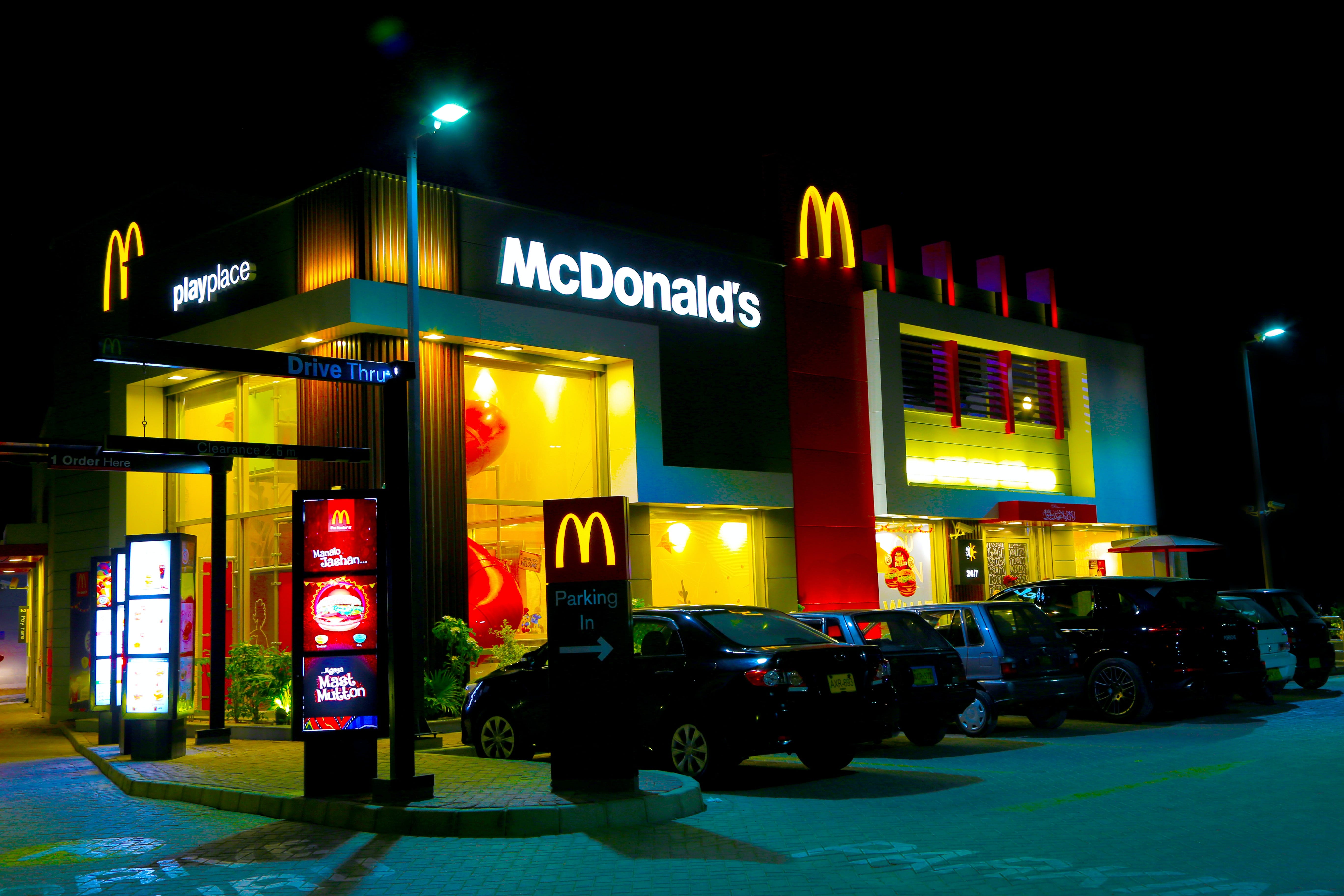
When a global titan enters a distinct culinary culture, rigid uniformity spells failure. McDonald's operations south of the border prove that preserving the golden arches requires marrying uncompromising operational scale with hyper-localized flavors. The strategy behind McDonald's Mexico relies on anchoring global equity—like the Big Mac and Quarter Pounder—while reshaping breakfast boards, dessert lineups, and premium tiers to mirror everyday Mexican eating habits.
Understanding how this giant adapts involves looking past the basic marketing surface. It requires examining how supply chains, regional taste profiles, and value tiers integrate to capture a loyal customer base in a fiercely competitive culinary landscape.
The Foundations: Global Consistency Meets Regional Reality
Every successful market entry starts with a baseline of trusted anchors. In Mexico, consumers walking into a McDonald's spot find familiar global heavyweights:
- The Big Mac: Built to identical global standards of build quality, sauce ratios, and bun dimensions.
- The Quarter Pounder with Cheese: Retaining its core recipe even in a country that measures ingredients metrically.
- Chicken McNuggets: Served with standard dipping sauces while plugging into localized distribution networks.
These items maintain operational efficiency and brand trust. Yet, they share counter space with items that would baffle diners in Chicago or London. This dual-track approach keeps the franchise globally recognizable while establishing deep local roots. Related insight on this matter has been provided by Business Insider.
Morning Localization: Winning the Breakfast Battle
Breakfast remains one of the most culturally entrenched meals in Mexico, dominated historically by local street food stalls and traditional bakeries. To capture morning commuters, McDonald's Mexico had to bypass standard American breakfast platters and introduce items rooted in domestic comfort.
The morning menu features McMolletes—split bolillo rolls layered with warm refried beans, melted cheese, and often finished with fresh pico de gallo. Alongside molletes, the chain offers the McBurrito a la Mexicana and the McMuffin a la Mexicana, which infuse spicy sausage, tomatoes, and regional peppers into familiar breakfast formats. By adapting to local morning rituals, McDonald's turned breakfast from an awkward Western import into a direct competitor against local neighborhood vendors.
Desserts and the Sweet Tooth Factor
Few categories showcase McDonald's Mexico localization strategy quite as clearly as the dessert and McCafé boards. Global markets often share standard apple pies and basic sundaes, but Mexican consumer preferences lean heavily toward distinct local sweets.
- Gansito McFlurry: A brilliant collaboration that blends Marinela’s iconic snack cake—strawberry jam, cream, and chocolate coating—directly into vanilla soft serve.
- KitKat McFlurry variants: Tailored specifically to regional sweet-tooth profiles that favor distinct candy mix-ins.
- Pay de Queso: A rich cheese pie serving as a direct alternative to the standard hot apple pie.
These dessert innovations generate high impulse-buy margins and create viral social media engagement, turning routine dessert runs into cultural touchpoints.
The Value and Premium Tiers
Economic realities across Mexico require a segmented pricing structure. Disposable incomes vary wildly between metropolitan hubs like Mexico City and smaller regional towns, making rigid pricing a strategic mistake.
The menu splits cleanly into tiers to capture every demographic segment:
- The Value Board: Focused on entry-level burgers, small fries, and bundled promotions designed to undercut or match local street food pricing.
- The Core Menu: Standard chicken sandwiches, everyday bacon burgers like the McTocino, and classic combo meals.
- The Signature Tier: Premium burgers served on brioche buns with gourmet toppings like grilled onions, artisan white cheddar, and specialized house dressings, targeting higher-income diners looking for a casual dining experience.
Common Mistakes in Fast Food Localization
When global brands attempt international expansion, several recurring missteps threaten profitability:
- Literal Translation Without Cultural Testing: Simply translating an American menu item into Spanish without checking if the flavor profile matches local preferences.
- Ignoring Local Competitor Agility: Underestimating regional independent vendors who adapt much faster to shifting food trends.
- Overcomplicating Kitchen Operations: Introducing too many specialized regional ingredients that slow down drive-thru times and inflate food waste.
McDonald's avoids these traps by keeping its operational backbone streamlined while letting regional product development teams introduce culturally resonant items that fit existing kitchen equipment.
Frequently Asked Questions
What are McMolletes at McDonald's Mexico?
McMolletes are a localized breakfast item featuring split bread topped with warm refried beans and melted cheese, mirroring the traditional Mexican home-style breakfast staple.
Does McDonald's Mexico sell the same burgers as the United States?
While classics like the Big Mac and Quarter Pounder remain staples, Mexico features exclusive items like the Signature brioche burger tier, the Grand Bacon Deluxe, and localized regional bacon options.
What is the Gansito McFlurry?
It is a specialty dessert that mixes chunks of Gansito—a popular Mexican snack cake filled with strawberry jelly and cream—into standard McDonald's vanilla soft serve.
How does pricing strategy work in the Mexican market?
Pricing utilizes a tiered structure ranging from affordable value bundles targeting cost-conscious consumers to premium gourmet lines designed for high-income urban segments.


