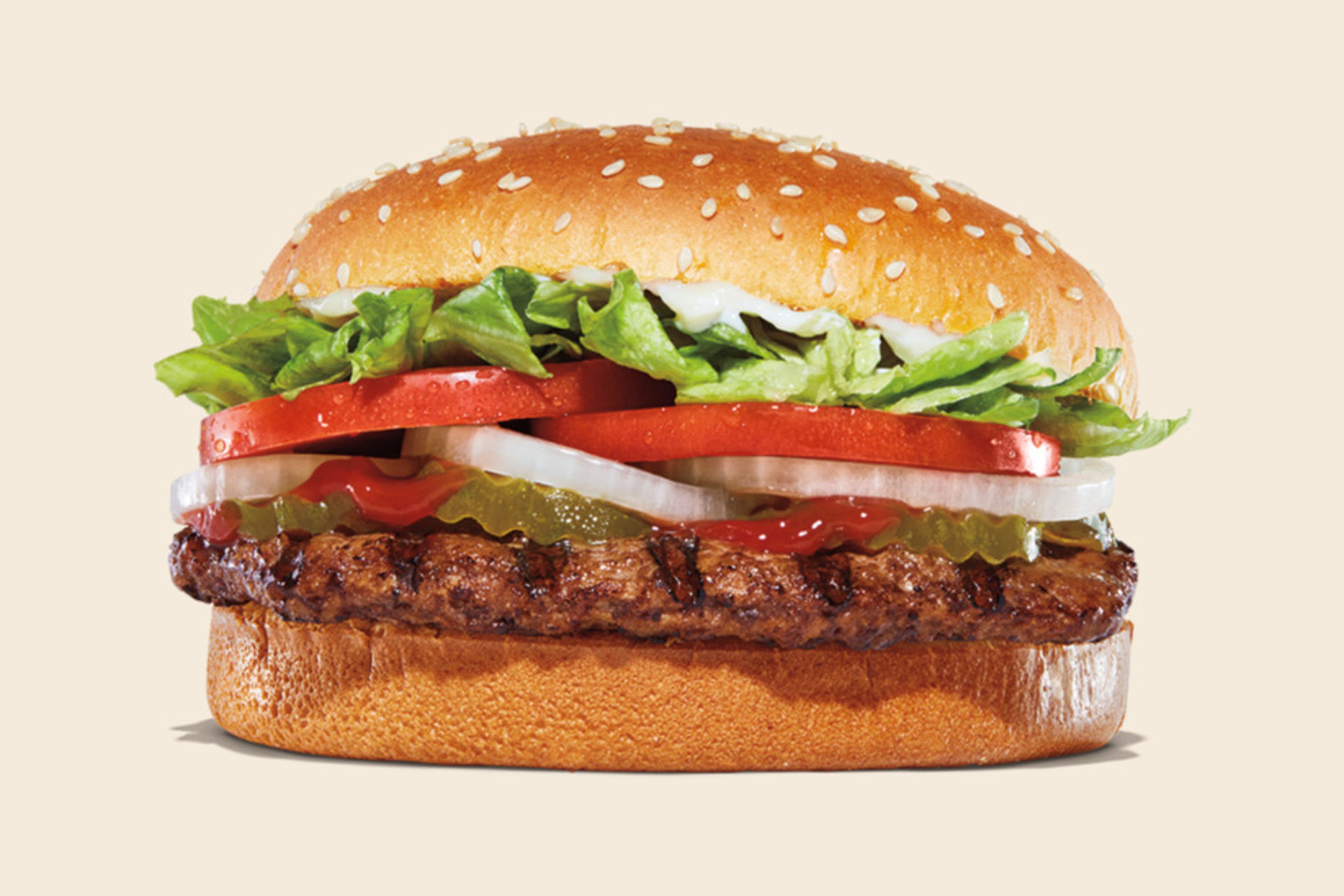
When McDonald's introduced the Maestro Burger in the Netherlands, it marked a distinct shift in how fast food chains targeted local markets. Instead of relying solely on classic menu staples, the corporation tested a premium tier designed to compete with fast-casual gourmet burger joints. The rollout relied heavily on upscale branding, custom packaging, and targeted marketing campaigns that positioned a fast-food sandwich as an artisanal creation.
Behind the marketing push, the sandwich introduced unique ingredient combinations and structural changes to standard kitchen assembly lines. While the initial buzz generated massive curiosity, the long-term reality of the item revealed standard fast-food operational constraints clashing with gourmet aspirations. Understanding how the Maestro Burger was conceptualized, built, and received offers a clear look into regional menu engineering.
The Strategy Behind the Dutch Rollout
McDonald's operations in the Netherlands often test items that diverge from standard global offerings. The Maestro line debuted to capture adult consumers who typically avoided traditional fast food in favor of independent burger bars. Marketing agencies built a distinct visual identity for the line, complete with custom logos and premium positioning that mimicked high-end steakhouses.
The launch strategy leveraged theatrical advertising campaigns featuring classical orchestras and gourmet presentations to subvert expectations. By pairing the sandwich with specialized fries like boerenfriet, the brand attempted to elevate the entire meal experience. This approach proved effective at driving short-term trial purchases, turning standard store visits into culinary events for curious diners. Further details on this are covered by Associated Press.
Dissecting the Recipe and Build
The architectural build of the Maestro Burger separated it from standard menu items like the Big Mac or Quarter Pounder. It featured a specialized sesame and poppy seed bun that provided a different texture and visual appeal compared to standard plain buns.
The protein component evolved significantly after initial testing. While early iterations used standard beef patties, the chain transitioned the line to feature 100% Angus beef patties to match the gourmet positioning.
Key components of the build included:
- A custom sesame-seed and poppy-seed bun
- Two Angus beef patties
- Smoked bacon strips
- Cheddar cheese slices
- Fresh red onion rings and Batavia lettuce
- A specialized mustard sauce and ketchup blend
This combination aimed to balance savory fats from the bacon and cheese with the sharp bite of raw red onion and mustard sauce. Subsequent regional variations introduced chicken options and alternative cheeses like Maredsous in neighboring markets.
Reality Behind the Buzz: Execution vs. Expectation
Promotional imagery for fast-food items rarely matches the reality of what arrives in a paper wrapper. When consumers ordered the Maestro Burger, they frequently encountered the classic fast-food dilemma of structural integrity. The heavy moisture content from the Batavia lettuce, sauces, and melted cheese often compromised the specialty bun during transit or holding times.
Kitchen operations also faced hurdles. Assembly lines designed for high-speed, uniform output struggled to maintain the specific presentation required for a premium build. While the Angus beef upgrade improved flavor profiles compared to standard patties, the higher price point led customers to scrutinize portion sizes and ingredient quality much more strictly than they would for a standard value menu item.
Frequently Asked Questions
When was the Maestro Burger first introduced?
McDonald's launched the Maestro Burger in the Netherlands in October 2015 as a limited-time promotional item.
Is the Maestro Burger available globally?
No. While elements or variations of the Maestro line appeared in select European markets such as Belgium and the Netherlands, it remains a regional and often seasonal offering rather than a permanent global menu fixture.
What kind of meat is used in the burger?
Following a recipe update in 2016, the standard beef variant utilizes two Angus beef patties, though chicken variations have also been offered in select markets.
How does it differ from standard McDonald's burgers?
The Maestro line uses premium bun varieties, distinct vegetable toppings like Batavia lettuce and red onion, and specialized sauces designed to mimic a gourmet restaurant style rather than standard fast-food condiments. You can read more about global menu variations on Wikipedia.