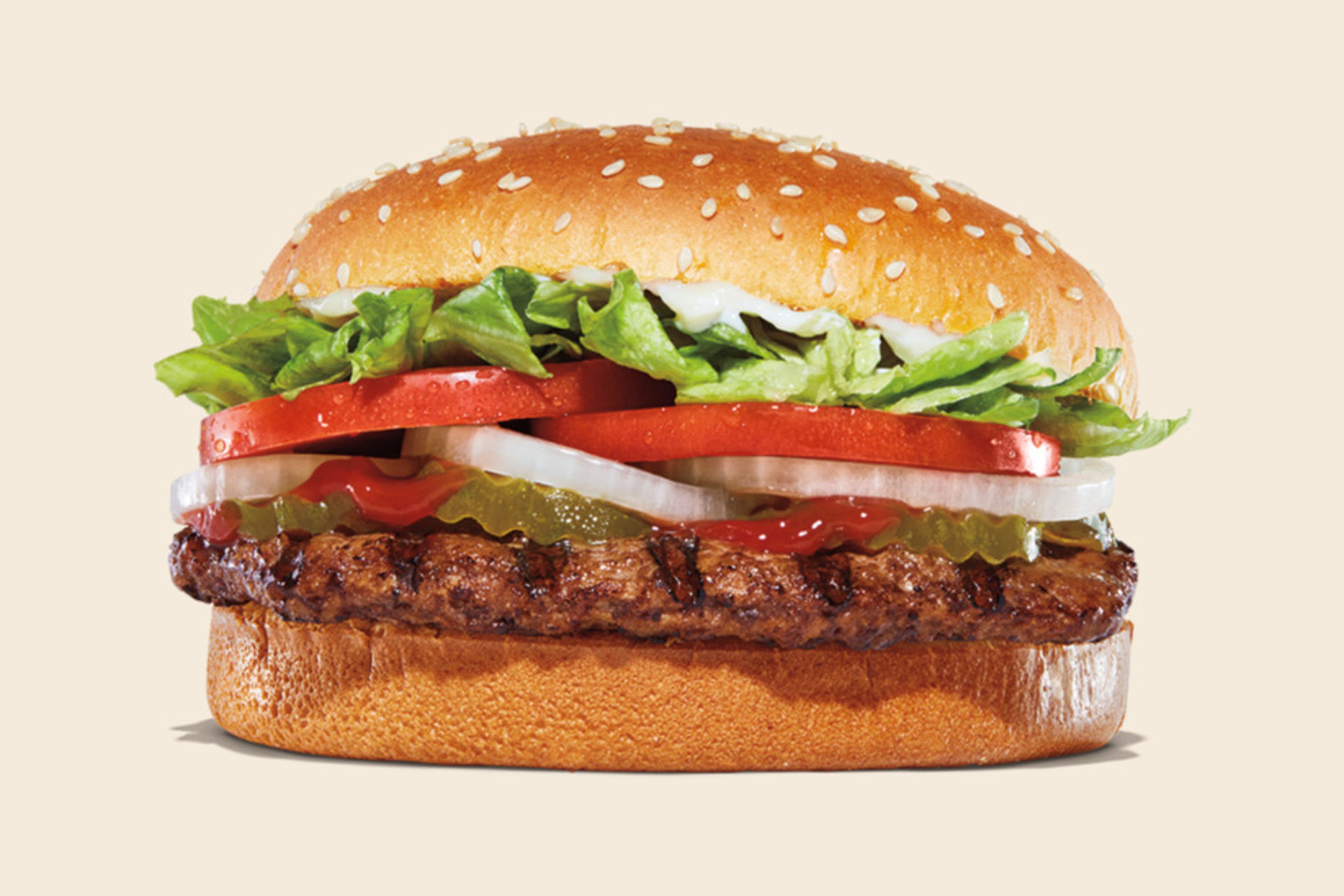
Ever wondered how many beef patties cross the counter every single day? McDonald's moves roughly 6.48 million burgers daily in the United States alone, translating to about 75 burgers every second. This massive output shapes modern agriculture, global logistics, and fast food culture. Let's break down the actual numbers behind the corporate giant's kitchen counters.
Understanding the scale requires looking at more than just a single restaurant's lunch rush. Across more than 40,000 global locations, billions of dollars change hands over simple beef patties, buns, pickles, and dehydrated onions. The following sections dissect the actual sales volume, the supply chain mechanics that make it possible, and what these staggering statistics mean for the broader food industry.
The Raw Numbers: Daily and Second-by-Second Sales
To grasp the true footprint of McDonald's, we have to scale our thinking past local store averages. Industry reports and corporate analyses place the daily hamburger count in the United States at roughly 6.48 million.
If you divide that daily sum across the 86,400 seconds in a day, the math yields a striking pace:
- Per Second: ~75 burgers
- Per Minute: ~4,500 burgers
- Per Hour: ~270,000 burgers
- Per Year: ~2.4 billion burgers domestically
These figures focus strictly on beef sandwiches, excluding chicken items like McNuggets or the McChicken, breakfast sandwiches, and side items. When you factor in the international footprint, the total global burger consumption skyrockets even higher, cementing the chain's position as the dominant player in quick-service restaurants. You can read more about global restaurant trends on Forbes.
How the Supply Chain Sustains the Volume
Moving 6.5 million burgers a day doesn't happen by accident. It requires an intricate, highly coordinated supply chain that connects cattle ranchers, slaughterhouses, processing plants, distribution centers, and individual franchise kitchens.
Sourcing and Beef Procurement
The sheer volume of beef required means McDonald's partners with thousands of independent beef producers and major suppliers like Cargill and Tyson. Cattle are raised, processed, and flash-frozen or shipped fresh under strict temperature controls. Each patty must meet uniform thickness, fat-to-lean ratios, and weight standards so that a hamburger cooked in Seattle tastes identical to one cooked in Miami.
Distribution Logistics
Logistics networks operate on tight schedules. Distribution centers coordinate truck routes to deliver dry goods, refrigerated produce, and frozen patties to franchise locations multiple times a week. Because individual restaurants have limited storage capacity, inventory management relies on precise sales forecasting derived from historical data, local weather patterns, and regional event schedules.
Kitchen Operations and Speed of Service
Inside the restaurant, the cooking process is engineered for maximum throughput. Modern kitchen layouts feature computerized grilling equipment that sears patties on both sides simultaneously, cutting cook times down to seconds.
- Made-to-Order Systems: Modern assembly lines assemble burgers only after an order registers on the point-of-sale terminal.
- Holding Cabinets: Specially designed heated bins keep pre-cooked components warm for short windows if volume surges unexpectedly.
- Drive-Thru Efficiency: A large percentage of those daily sales originate in the drive-thru lane, where speed-of-service timers track every transaction down to the individual second.
Common Misconceptions About Fast Food Volume
Folk tales and internet myths often distort the reality of fast food production. Let's clear up a few frequent misunderstandings.
Many people assume that "billions and billions served" refers to daily or yearly sales. In reality, that iconic sign metric is a cumulative lifetime count that started decades ago and eventually grew too large to keep updating on roadside signs.
Another frequent myth is that all restaurants sell the same volume. In practice, a highway travel plaza location might churn through thousands of burgers a day, while a low-traffic suburban store operates at a fraction of that pace. Franchise profitability depends heavily on getting this balance right. For official corporate disclosures and financial metrics, you can check reports on Reuters.
Frequently Asked Questions
How many total customers does McDonald's serve daily?
Globally, McDonald's estimates it serves approximately 69 million customers every single day across its international restaurant network.
What is the best-selling burger on the menu?
The Big Mac remains the flagship product and best-selling signature burger globally, followed closely by the classic Cheeseburger and the Quarter Pounder with Cheese.
Do franchise owners buy ingredients directly from corporate?
No, franchises typically purchase their food, packaging, and equipment through independent distribution networks and approved supply chain cooperatives like the Supply Chain Cooperative (SCC).
How does McDonald's ensure uniform quality across thousands of stores?
Strict operational guidelines, standardized equipment, mandatory training programs, and regular corporate inspections ensure that ingredient preparation and cooking times remain consistent worldwide.