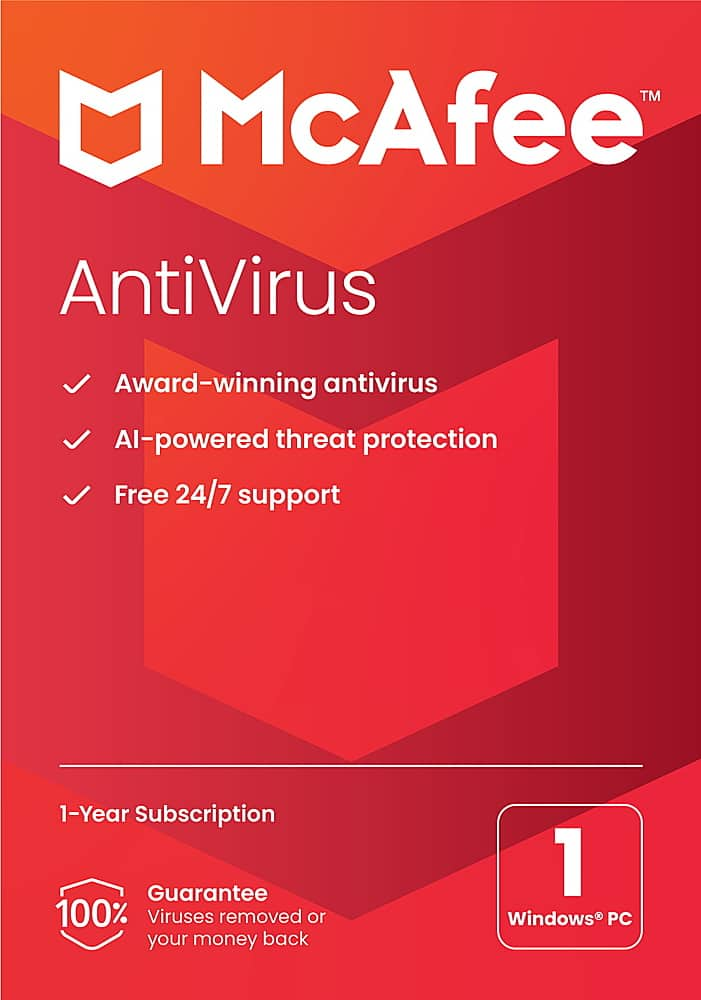
McAfee Antivirus changed how personal computers handle malicious code. When signature-based scanning first emerged, it provided a systematic way to identify known threats before they could corrupt system files. Security software has since evolved past simple signature matching, incorporating behavioral analysis and cloud telemetry to counter sophisticated vectors.
Modern cybersecurity requires multi-layered protection because threat actors constantly modify malware to evade static definitions. Early endpoint tools looked for specific strings of bytes inside executable files, but today's engines monitor live memory, process hooks, and network connections to stop zero-day exploits instantly.
The Foundation of Signature-Based Detection
In the late 1980s, computer viruses spread primarily through physical media like floppy disks. Programmers wrote routines that attached copies of themselves to legitimate programs, executing payload code when users launched infected software.
How Early Scanners Operated
Traditional antivirus engines scanned storage drives by comparing file contents against a database of known malware signatures. If a file contained a matching byte sequence, the scanner flagged or quarantined it.
- Database Updates: Vendors released daily or weekly definition files containing new threat hashes.
- Heuristic Analysis: Basic rule sets tried to spot suspicious code patterns even if an exact signature didn't match yet.
- Quarantine Isolation: Infected files were moved to an encrypted container to prevent execution while preserving system stability.
This approach worked well for static threats, but it left a critical window of vulnerability between the time a new malware variant appeared and when security researchers updated their definition files.
The Shift Toward Behavioral Monitoring
As malware authors began utilizing polymorphism and packing techniques to alter file hashes automatically, static signatures lost reliability. Security engineers shifted focus toward runtime behavior rather than file appearance.
Real-Time Process Evaluation
Instead of waiting to inspect a file on disk, modern security software observes programs as they run. If a utility attempts to modify critical registry keys, inject code into system processes, or encrypt mass files rapidly, the defense system halts the process immediately.
- Process Sandboxing: Unknown applications run in an isolated virtual environment to test their actions safely before granting full system access.
- Memory Protection: Kernel-level hooks block unauthorized read and write requests targeting core operating system memory.
- Cloud Telemetry: Anonymized threat data flows to global intelligence networks, allowing automated systems to block newly identified attacks worldwide within seconds.
Modern Endpoint Security Architecture
Contemporary protection suites integrate multiple defensive layers into a single dashboard. Users and administrators rely on automated remediation routines that roll back unauthorized changes caused by ransomware or trojans.
Core Components of Current Suites
- Endpoint Detection and Response (EDR): Continuous recording of system events for deep forensic investigation.
- Firewall Integration: Traffic inspection at the packet level to intercept command-and-control communications.
- Web Filtering: Blocking malicious URLs and phishing portals before browser-based delivery occurs.
For official documentation on threat mitigation strategies, you can check the Cybersecurity and Infrastructure Security Agency. To understand how foundational software architecture developed over decades, review historical details on Wikipedia's John McAfee overview. For broad industry standards, reference guidelines published by the National Institute of Standards and Technology.
Frequently Asked Questions
What is the main difference between signature-based and behavioral detection?
Signature-based detection looks for known file fingerprints or code sequences stored in a database. Behavioral detection watches what an application actually tries to do on your system in real time, stopping malicious actions regardless of whether the file signature is recognized.
Why did traditional antivirus struggle with polymorphic malware?
Polymorphic malware automatically changes its identifiable code structure or encryption key every time it infects a new system. This alters its file hash, rendering static database signatures ineffective unless the engine uses advanced heuristics.
How do cloud-assisted security tools protect endpoints faster?
Cloud-assisted platforms upload suspicious file metadata or behavioral alerts to centralized servers instead of relying solely on local definition updates. This allows global threat intelligence to update instantaneously across millions of connected devices.
What steps should you take if an endpoint defense tool misses a zero-day threat?
If a zero-day exploit bypasses initial endpoint defenses, isolate the infected machine from the network immediately, run an offline boot-scan, review system event logs for unauthorized persistence mechanisms, and restore affected data from clean backups.



