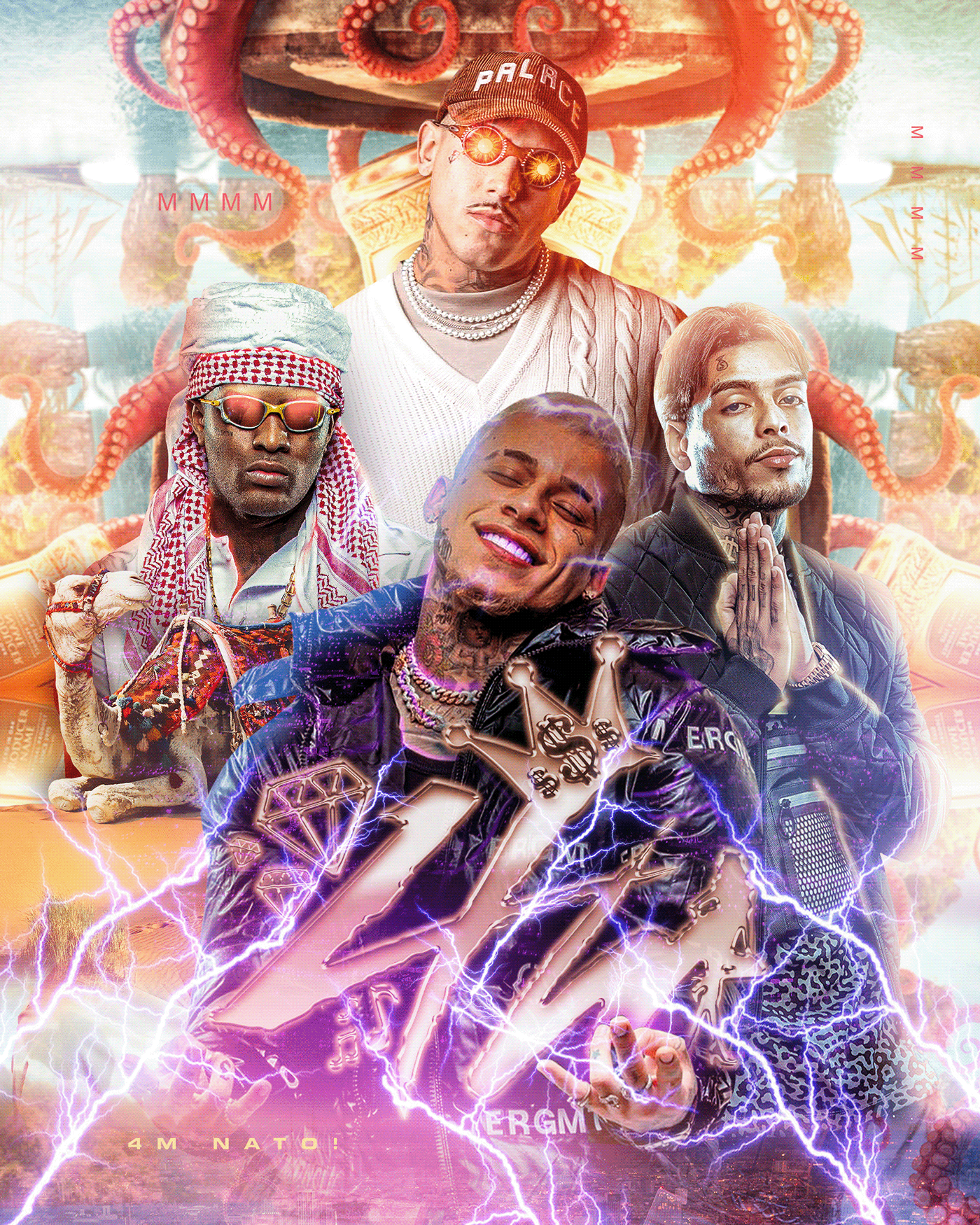
When two distinct forces in Indian Hip Hop collide, the entire scene watches. The tension between MC Stan and Emiway Bantai represents a stark contrast in musical evolution, street credibility, and artistic presentation. Understanding this rivalry requires looking past the clickbait headlines and examining how two of independent music's biggest names shaped the modern landscape.
At its core, this ongoing narrative isn't just about track releases or social media jabs. It highlights the friction between underground raw experimentation and independent hustle-driven commercial empire-building. Both artists carved out massive fanbases from scratch, yet their paths to success could not differ more.
The Roots of the Rivalry
Long before mainstream awards and stadium-level streaming numbers, both artists were building their respective lanes. Emiway Bantai emerged out of Mumbai as a pioneer of the independent DIY boom, capturing millions with tracks like Emiway Bantai YouTube releases that proved an artist could bypass traditional label gatekeepers. His early hustle focused on high-energy delivery and relatable street struggles.
MC Stan entered with a completely different sonic blueprint. Coming up from the rough neighborhoods of Pune, he introduced raw trap aesthetics, unorthodox autotune styling, and deeply confessional lyricism that shook the underground. His breakout tracks like Wata and Khuja Mat showcased an entirely fresh vocabulary for Indian hip-hop.
The early friction sparked when regional loyalties and underground competitive posturing collided. Fans and rival camps drew lines, leading to subliminal shots and direct acknowledgments in interviews. While many hoped for a collaborative powerhouse track, the artistic egos and differing philosophies on "keeping it real" pushed them apart.
Sonic Styles: Trap Autotune vs. Boom Bap Hustle
To understand why this clash captures so much attention, you have to break down their musical approaches. They operate on opposite spectrums of the genre.
- MC Stan's Sound: Heavily influenced by modern American trap, mumble rap textures, and heavy bass experimentation. He uses his voice as an instrument, drenched in atmospheric effects to convey raw mood over complex rhyme schemes.
- Emiway Bantai's Sound: Rooted in traditional boom-bap, fast-paced double-time flows, and high-energy delivery. He prioritizes clarity, storytelling, and rhythmic punchlines designed to get massive crowds jumping at live shows.
This stylistic chasm translates directly into their fanbases. Stan's audience leans heavily into the counter-culture, fashion-forward, Gen-Z aesthetic. Emiway's listeners gravitate toward the hard-working, independent underdog narrative that champions perseverance against industry pressure.
Key Moments That Escalated the Tension
The narrative between the two hit several critical inflection points over the years. Rather than a clean-cut feud with clear rounds, it evolved in waves.
- Early Underground Sparring: Initial tracks and online exchanges established mutual distrust, with neither artist willing to back down from their stance on indie independence.
- The Mainstream Crossover: As both artists blew up past millions of listeners, their interactions in public forums and reality television brought old baggage back to the surface.
- Interview Subliminals: Comments made on national television and popular podcasts reignited dormant tensions, proving that neither artist had truly forgotten past grievances.
Unlike scripted pop rivalries, the tension stayed raw because both artists pride themselves on authenticity. When one speaks, the other reacts, keeping the media cycle spinning.
Impact on the Broader DHH Ecosystem
The friction between these heavyweights forces the entire Indian Hip Hop community to pick a side or analyze the politics of the scene. It changes how collaborations happen. Producers, video directors, and fellow artists often find themselves walking a tightrope to avoid alienating either camp.
Furthermore, it shifts the economy of independent music. Beefs and public rivalry drive massive streaming spikes. Every time tension flares up, back-catalogs see surges in viewership, proving that engagement in hip-hop often thrives on competitive tension. You can explore broader industry milestones through cultural deep dives on platforms like Rolling Stone India.
Common Misconceptions About the Clash
Casual listeners often misinterpret the nature of these feuds. Clearing up these myths helps frame the rivalry accurately.
- It is not entirely about clout: While numbers spike during active disputes, both artists built their empires long before engaging in cross-talk. The friction stems from genuine ideological differences.
- Collaborations are complicated: Fans often demand a crossover track, but artistic pride and past statements make a seamless studio partnership nearly impossible under current conditions.
- Internet narratives exaggerate reality: Social media fan pages frequently amplify minor comments into massive wars, turning standard artistic competition into toxic fan toxicity.
Frequently Asked Questions
Did MC Stan and Emiway Bantai ever collaborate?
No, official studio collaborations between the two do not exist. Their distinct musical directions and historical friction have kept them on separate tracks.
What started the tension between them?
The tension originated from early underground positioning, contrasting views on street authenticity, and competitive remarks made across social media and tracks.
How do their musical styles differ?
Stan focuses on experimental trap, heavy bass, and atmospheric autotune, whereas Emiway leans into high-energy fast flows, boom-bap rhythms, and traditional delivery.
Will they ever sort out their differences?
While hip-hop is unpredictable and old feuds have occasionally turned into surprising alliances, current indicators suggest both artists prefer maintaining their separate independent lanes.


