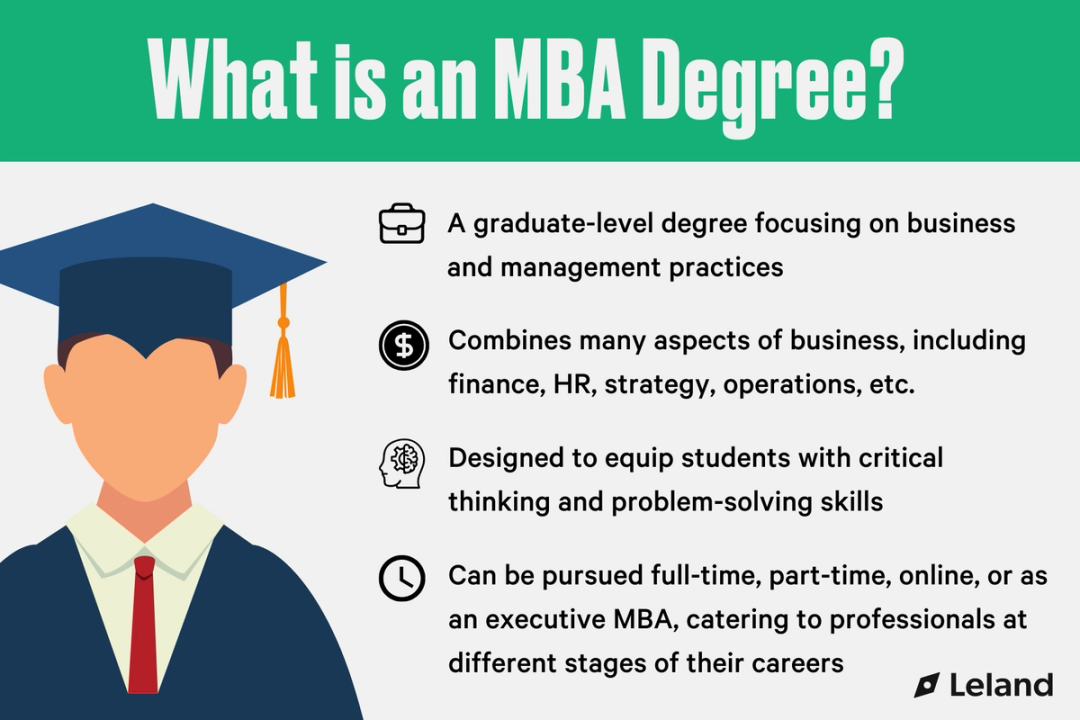
Navigating the executive job market in Kuwait requires clarity on compensation, sector demand, and the actual financial return of postgraduate education. If you hold or plan to pursue a Master of Business Administration, you can expect an average monthly base salary hovering around 2,460 KWD, translating to roughly 29,500 KWD annually. However, raw averages rarely tell the whole story. Total compensation packages in the Gulf Cooperation Council region often include generous allowances, performance bonuses, and health benefits that shift total earnings significantly based on industry choice and corporate scale.
Evaluating whether this investment makes sense for your career path means looking past baseline averages. Professionals moving from a standard undergraduate degree to an MBA in Kuwait frequently secure a pay premium of 30 to 43 percent, depending on prior work history and negotiation leverage. Whether you are eyeing banking in Kuwait City, energy management, or telecommunications, understanding how local employers value graduate credentials helps you target the right roles and maximize your earning potential from day one.
Core Salary Benchmarks Across Experience Levels
Your professional background dictates where you enter the local salary distribution. Fresh graduates or those with minimal managerial experience command lower starting points, while mid-career leaders capture significant upward momentum.
- 0 to 2 years of experience: Entry-level post-MBA positions generally offer starting brackets near 1,500 KWD to 1,800 KWD monthly, depending on whether you join a local firm or a multinational corporation.
- 2 to 5 years of experience: Moving into mid-level coordination or project management pushes monthly earnings toward 1,840 KWD to 2,200 KWD.
- 5 to 10 years of experience: Senior functional leaders and department heads see a sharp jump, with averages reaching 2,600 KWD per month.
- 10+ years of experience: Executive directors, vice presidents, and senior consultants regularly clear 3,000 KWD to 3,540 KWD monthly base pay, excluding performance incentives.
Company size also shapes your financial trajectory. Small and medium enterprises in Kuwait typically cap senior management compensation lower than major corporate entities. Large corporations and sovereign-adjacent institutions provide structured salary bands that often exceed 14,000 KWD annually even for mid-tier administrative leads, scaling rapidly for core revenue-generating units.
High-Earning Sectors for MBA Graduates in Kuwait
Certain industries in Kuwait rely heavily on advanced business credentials and back them with substantial budgets. Pinpointing these sectors allows you to focus your job search where demand remains highest.
Banking and Financial Services
Financial institutions, investment houses, and Islamic banking networks anchor the top tier of compensation. Financial managers and corporate strategy leads with an MBA frequently pull in base salaries ranging from 1,300 KWD to 3,740 KWD monthly, heavily supplemented by annual performance bonuses tied to portfolio performance. Institutions like the National Bank of Kuwait often look for leadership talent capable of steering complex regional portfolios.
Energy and Petroleum Operations
While technical engineering degrees dominate upstream oil fields, downstream logistics, corporate governance, and sustainability divisions actively recruit business graduates. Strategy consultants and operations managers within the energy ecosystem command competitive packages designed to attract top international and regional talent.
Telecommunications and Technology
Digital transformation initiatives across Kuwait have created fresh demand for product managers, business analysts, and digital strategy leads. Firms like Zain reward professionals who bridge technical infrastructure with commercial monetization strategies, offering packages competitive with traditional banking roles.
Hidden Perks and Total Compensation Packages
Looking strictly at base monthly salary hides a vital component of the Kuwaiti employment structure. Total compensation packages frequently include non-monetary and semi-cash benefits that alter your real-world income.
- Housing and Transportation Allowances: Many employers provide separate monthly stipends for rent and vehicle leasing, which can add hundreds of dinars to your net monthly inflow without falling under standard income tax calculations.
- Annual Airfare Tickets: Standard corporate packages for qualified professionals often include annual return tickets to your home country for you and immediate family members.
- Comprehensive Health Insurance: Premium medical coverage extending beyond basic state-provided care is a standard expectation for graduate-level hires.
- Education Allowances: Senior management roles sometimes include partial tuition coverage for dependent children attending private international schools in Kuwait.
Common Career Pitfalls to Avoid
Pursuing an executive qualification is a major financial commitment, with local and international programs ranging widely in tuition cost. Avoid these frequent missteps when planning your next career move:
- Neglecting Local Network Building: An online degree from an unaccredited institution carries little weight in Kuwait's relationship-driven corporate culture. Local hiring managers prioritize institutional reputation and regional internship exposure.
- Ignoring Total Remuneration: Focusing solely on the base salary figure during negotiations can cause you to miss out on lucrative housing allowances and performance bonus structures.
- Overestimating Immediate Return: Assuming your salary will automatically double the moment you graduate ignores the reality that employers pay for applied leadership experience, not just a diploma frame.
Frequently Asked Questions
Does a foreign MBA command a higher salary in Kuwait than a local degree?
Degrees from globally recognized institutions or top regional business schools carry strong brand equity, particularly with multinational firms and management consultancies. However, local programs often provide superior networking opportunities within Kuwait's specific regulatory and banking ecosystem.
Are MBA salaries in Kuwait subject to income tax?
Currently, individuals earning wages within Kuwait do not pay personal income tax on employment earnings, meaning your stated gross salary is closer to your net take-home pay than in Western tax jurisdictions.
How long does it take to recover the cost of an MBA in Kuwait?
Given that local and regional postgraduate programs require a significant financial layout, most mid-career professionals recover their tuition investment within three to five years of graduation through salary increments and performance promotions.
Is professional work experience mandatory before studying for an MBA?
While some academic institutions accept fresh graduates, top-tier programs and serious employers in Kuwait strongly favor candidates who bring at least three to five years of substantive professional experience to the classroom.



