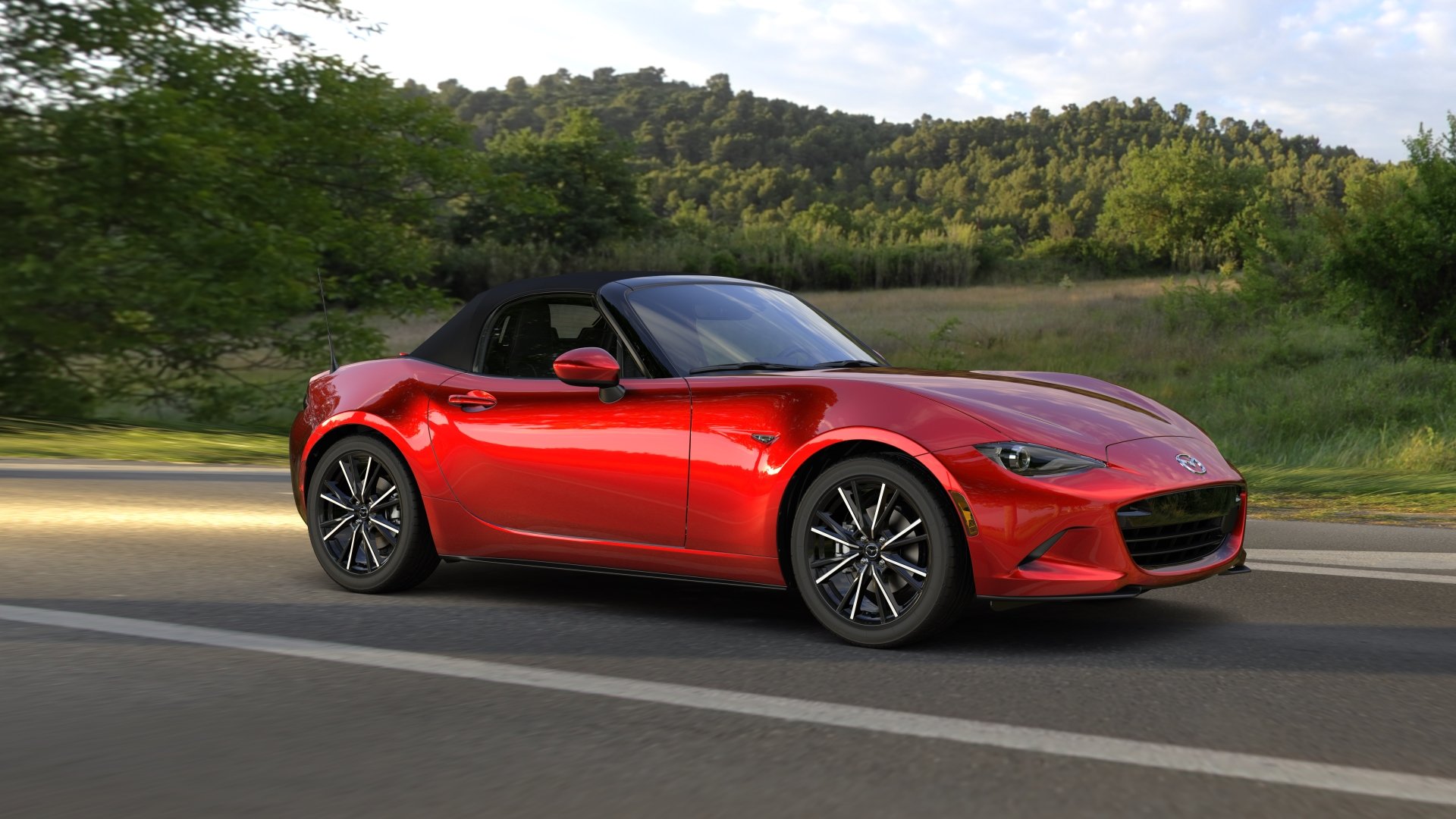
The 1993 Mazda 323 proves that mechanical simplicity and thoughtful chassis design outlast flashy trends. While early nineties hatchbacks often get dismissed as disposable commuting appliances, this specific generation built a loyal following by prioritizing driver feedback and honest engineering. It bridges the gap between utilitarian economy and genuine driving enjoyment without relying on complex electronics.
If you're hunting for a dependable modern classic or a straightforward project car, understanding why the 1993 Mazda 323 still holds value requires looking past badge prestige. This car delivers an unfiltered mechanical connection that modern vehicles have traded for weight and automation, making it a compelling choice for enthusiasts on a strict budget.
The Engineering Philosophy Behind the BG Chassis
Underneath its unassuming body panels, the BG-generation platform utilized a level of structural rigidity uncommon for affordable economy cars of its era. Mazda engineers focused heavily on weight distribution and suspension geometry rather than pure straight-line horsepower.
The front MacPherson strut layout paired with a trapezoidal link or dual-link rear suspension setup gave the car neutral cornering behavior. Instead of heavy understeer, drivers experienced predictable weight transfer. The steering rack offered direct hydraulic feedback, transmitting texture from the asphalt straight to your fingertips. You didn't need to be driving at impound-worthy speeds to feel the car work.
Furthermore, engine bays were laid out with actual maintenance in mind. Spark plugs, belts, and filters sit within clear line of sight, allowing home mechanics to complete basic services in a driveway with standard hand tools.
Powertrain Options and Real-World Performance
Depending on your region, the 1993 lineup featured a range of naturally aspirated four-cylinder powerplants. The base 1.3-litre and 1.5-litre engines prioritized fuel economy, while the sought-after 1.6-litre and 1.8-litre B-series engines offered a livelier power band.
- 1.3L and 1.5L Motors: Built strictly for urban commuting, these engines feature simple fuel injection systems that rarely fail. They won't win any drag races, but they run indefinitely with clean oil.
- 1.6L B6 Engine: Known for its free-revving nature, this variant rewards momentum driving. Keeping the revs high lets you carry impressive speed through twisty backroads.
- 1.8L DOHC Variant: Found in higher trim levels, this motor provides the punchiest acceleration of the standard lineup, serving as a spiritual precursor to later sport compacts.
Fuel efficiency remains a major selling point today. Owners frequently report real-world figures exceeding 30 miles per gallon on highway commutes, making it an affordable daily driver even with modern fuel prices.
Interior Ergonomics and Cabin Durability
Step inside a 1993 Mazda 323 and you'll find an antidote to screen-heavy modern dashboards. The interior relies entirely on tactile analog switches, large rotary dials for climate control, and clear amber-lit gauges.
Materials were chosen for longevity rather than plush luxury. The textured plastics resist sun cracking better than many American or European equivalents from the same decade. Fabric seats feature durable woven upholstery that withstands decades of friction, though foam bolstering on the driver's side often flattens out after 200,000 miles.
Cabin packaging is remarkably efficient. Large greenhouse glass areas eliminate blind spots entirely, making parallel parking effortless. Headroom is generous thanks to the boxy roofline, accommodating taller drivers without requiring awkward seat adjustments.
Common Weaknesses and What to Check Before Buying
Buying a three-decade-old economy car means looking out for specific age-related wear points. Neglecting these areas can turn a cheap bargain into a frustrating money pit.
- Structural Rust: Rear wheel arches, rocker panels, and shock towers are prime corrosion targets, especially in regions that salt roads during winter. Always inspect underneath the carpet in the trunk.
- Dried Rubber Bushings: Suspension bushings and engine mounts harden and crack over time, causing sloppy handling and vibrations. Replacing them transforms the car's driving dynamics instantly.
- Cooling System Leaks: Plastic radiator tanks become brittle with age. Check coolant color and replace aging hoses to prevent overheating.
- Wiring Harness Cracks: Under-hood wiring insulation can become brittle near high-heat zones, leading to intermittent sensor faults.
For official specifications and historical vehicle data, you can cross-reference production numbers and global variants through the Mazda Global Site. To understand how classic vehicle valuation works in North America, check registry insights provided by Hagerty.
Frequently Asked Questions
Is the 1993 Mazda 323 difficult to find parts for?
No. Because this platform shared mechanical components with Ford models like the Laser, mechanical parts remain widely accessible through standard auto parts stores and online suppliers. Body panels are harder to source in clean condition, but drivetrain items are plentiful.
How does it compare to a comparable Honda Civic or Toyota Corolla?
While Civics and Corollas often command a nostalgic tax driving up their used prices, the Mazda 323 usually sells for less while offering sharper steering feel. The Civic might have a larger aftermarket modification scene, but a stock 323 often delivers a more rigid chassis feel out of the box.
Can a beginner mechanic maintain this car?
Yes. The lack of complex computer modules, turbochargers, and tight engine bays makes it one of the best vehicles to learn basic automotive maintenance on. Oil changes, brake pad replacements, and alternator swaps require minimal tools.
Does the 1993 Mazda 323 make a good daily driver today?
It can serve as a reliable commuter if you find a rust-free example and sort out worn rubber suspension components. However, keep in mind that it lacks modern active safety features like anti-lock brakes on base trims or modern airbag curtains, so defensive driving is essential.



