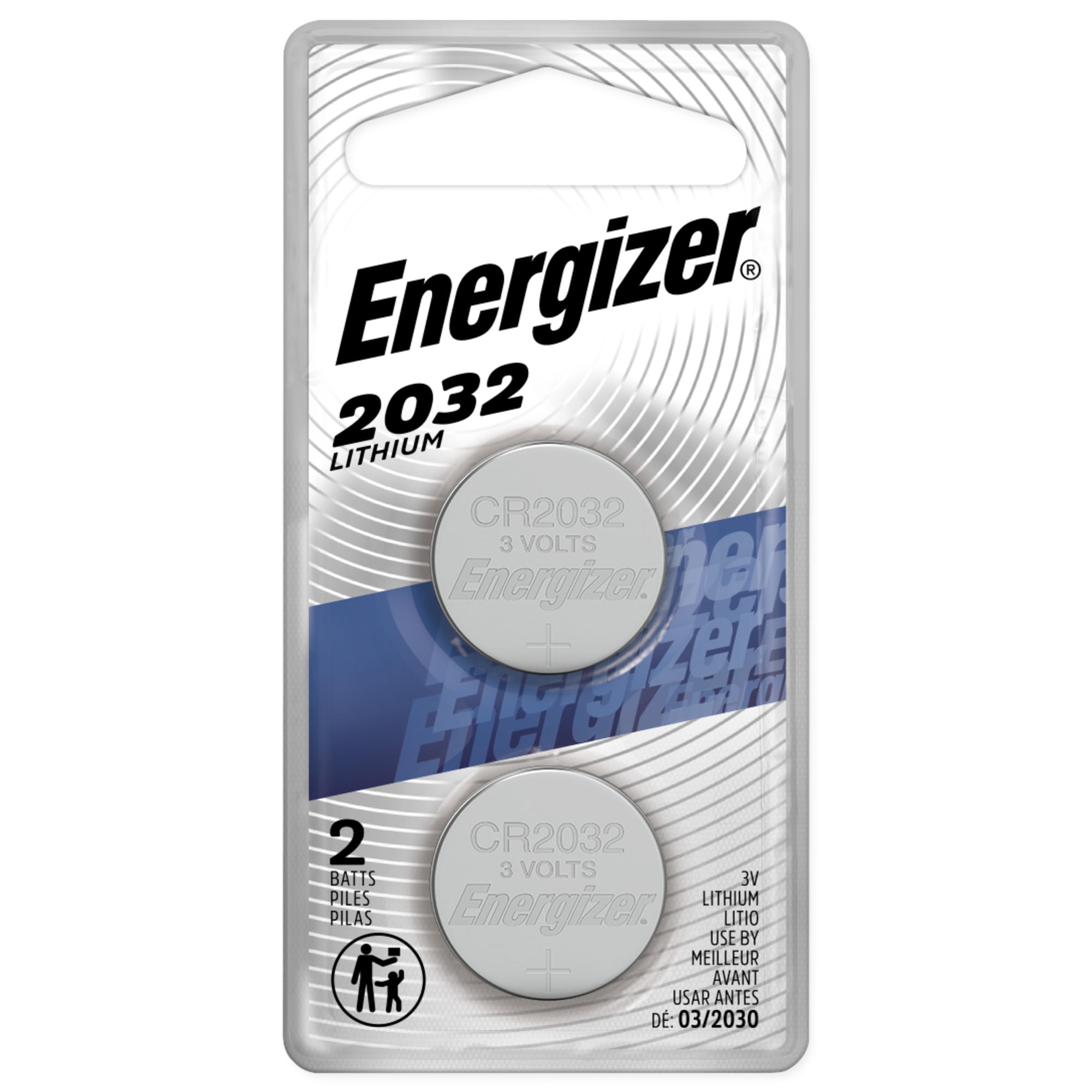
When you drop a fresh coin cell into a car key fob, a motherboard, or a tracking tag, you expect it to last for years. Yet two leading Japanese manufacturers—Maxell and Panasonic—yield subtle performance variances under rigorous discharge tests. Choosing the right cell depends entirely on whether your hardware demands absolute voltage stability under heavy pulse loads or simply needs a reliable, cost-effective power source for low-drain electronics.
Panasonic cells generally deliver superior voltage retention and long-term reliability under thermal stress, making them the default OEM choice for medical devices and precision microprocessors. Maxell units counter with exceptional manufacturing consistency and high-value bulk availability, performing admirably in watches, calculators, and remote controls. Examining their discharge curves, chemical architecture, and real-world endurance reveals how they stack up.
Technical Specifications and Chemistry
Both cells use lithium manganese dioxide (LiMnO2) chemistry, sharing the standard 20mm diameter and 3.2mm thickness. They both start at a nominal 3.0 volts, but their internal engineering and sealing methods diverge.
Panasonic builds its reputation on proprietary cathode sealing and hermetic packaging designed to minimize electrolyte dry-out over a ten-year shelf life. Their standard CR2032 typically holds a rated capacity of roughly 225 mAh. Panasonic’s manufacturing lines focus heavily on industrial-grade consistency, supplying primary automotive and computer industries where failure rates must remain near zero.
Maxell engineering prioritizes high-volume precision for consumer electronics. Standard Maxell CR2032 cells hover around 220 mAh to 225 mAh, though they also offer specialized high-capacity variants like the CR2032H series for extended runtime requirements. Maxell’s internal resistance profiles remain exceptionally flat during the initial phases of use, though they experience a slightly steeper voltage drop-off near the absolute end of their discharge cycle compared to Panasonic.
Discharge Curves and Voltage Stability
For sensitive electronics, voltage sag can trigger premature low-battery warnings or corrupt stored data. When a device draws a sudden pulse of current—such as a Bluetooth transmission from a key fob—the internal resistance of the battery dictates how far the voltage drops.
High-Drain Pulse Performance
During high-drain pulsed testing, Panasonic cells demonstrate superior voltage recovery. The chemical matrix absorbs thermal and electrical loads with minimal hysteresis, ensuring that microcontrollers don't experience brownouts during high-frequency data broadcasts.
Maxell handles standard pulse loads well, but continuous heavy pulsing accelerates internal polarization slightly faster. If you're using the cell in a device that transmits frequently, a Panasonic cell maintains its operating voltage closer to the 2.8V to 3.0V threshold for a longer duration of its lifespan.
Low-Drain Continuous Output
In low-drain environments, such as a computer motherboard CMOS backup or a digital kitchen scale, the performance gap narrows significantly. Both brands exhibit extremely low self-discharge rates, typically losing less than one percent of their total charge per year when stored at room temperature. For static memory retention, you won't notice a practical difference in longevity between the two.
Temperature Resilience and Environmental Testing
Coin cells frequently operate in harsh environments, from freezing winter parking lots inside car remotes to warm interior panels.
- Cold Temperature Exposure (-20°C): Both brands experience a temporary drop in available capacity when exposed to sub-zero temperatures, which is a standard physical limitation of lithium chemistry. However, Panasonic shows a slightly faster and more complete voltage recovery upon returning to room temperature, indicating a more resilient internal separator structure.
- High Heat Tolerance: At elevated temperatures up to 60°C, both manufacturers maintain stable sealing integrity without electrolyte leakage or swelling, provided they aren't subjected to physical puncture or charging circuits.
Reviewing official safety parameters from the Panasonic Industrial Company and Maxell Holdings highlights that both brands strictly adhere to international safety certifications, including UL recognition and UN transportation testing.
Application Matchups: Which One Should You Buy?
Different devices place distinct demands on a lithium coin cell. Matching the battery's chemical profile to your specific hardware prevents unexpected failures.
Apple AirTags and Smart Trackers
Smart trackers demand short, high-intensity radio frequency bursts. Panasonic cells excel here because their voltage stability prevents premature "low battery" alerts that frequently plague trackers paired with lesser cells. Additionally, verify whether your tracker requires an un-coated cell, as some bitterant-coated safety variations interfere with spring contacts.
Automotive Key Fobs
Key fobs sit dormant for long periods before experiencing sudden, heavy button-press demands. Maxell supplies a massive share of OEM key fob batteries because their shelf life and initial voltage punch match automotive specifications perfectly. Maxell's cost-efficiency also makes multi-packs practical for replacing remotes across multiple household vehicles.
Motherboard CMOS and Medical Memory Backups
For critical applications where data loss means system failure, industrial reliability is paramount. Panasonic's rigorous quality control makes it the preferred choice for computer motherboards, medical glucose meters, and industrial logic controllers.
Frequently Asked Questions
Do Maxell and Panasonic CR2032 batteries leak?
High-quality lithium manganese dioxide cells rarely leak under normal conditions because they lack liquid aqueous electrolytes that cause corrosion in old alkaline cells. Leakage usually occurs only due to physical damage, manufacturing defects in counterfeit cells, or attempts to recharge non-rechargeable chemistry.
Can I use a CR2032 interchangeably with a CR2025?
No, you shouldn't swap them indiscriminately. While they share the same 20mm diameter, a CR2032 is 3.2mm thick, whereas a CR2025 is only 2.5mm thick. The thickness difference can cause loose physical contact in battery compartments designed strictly for one or the other.
Why do some CR2032 batteries have a sticky coating?
Some manufacturers apply a non-toxic bitterant coating designed to deter children from swallowing the small cells. If your device relies on delicate top-surface contacts—such as certain compact trackers—this coating can occasionally cause intermittent connection issues.
How can I spot counterfeit coin cells online?
Counterfeit cells often feature misspelled brand fonts, lack batch laser-etchings on the metal casing, and feel noticeably lighter because they contain inferior cathode materials. Always purchase from authorized electronics distributors to guarantee authentic chemistry.


