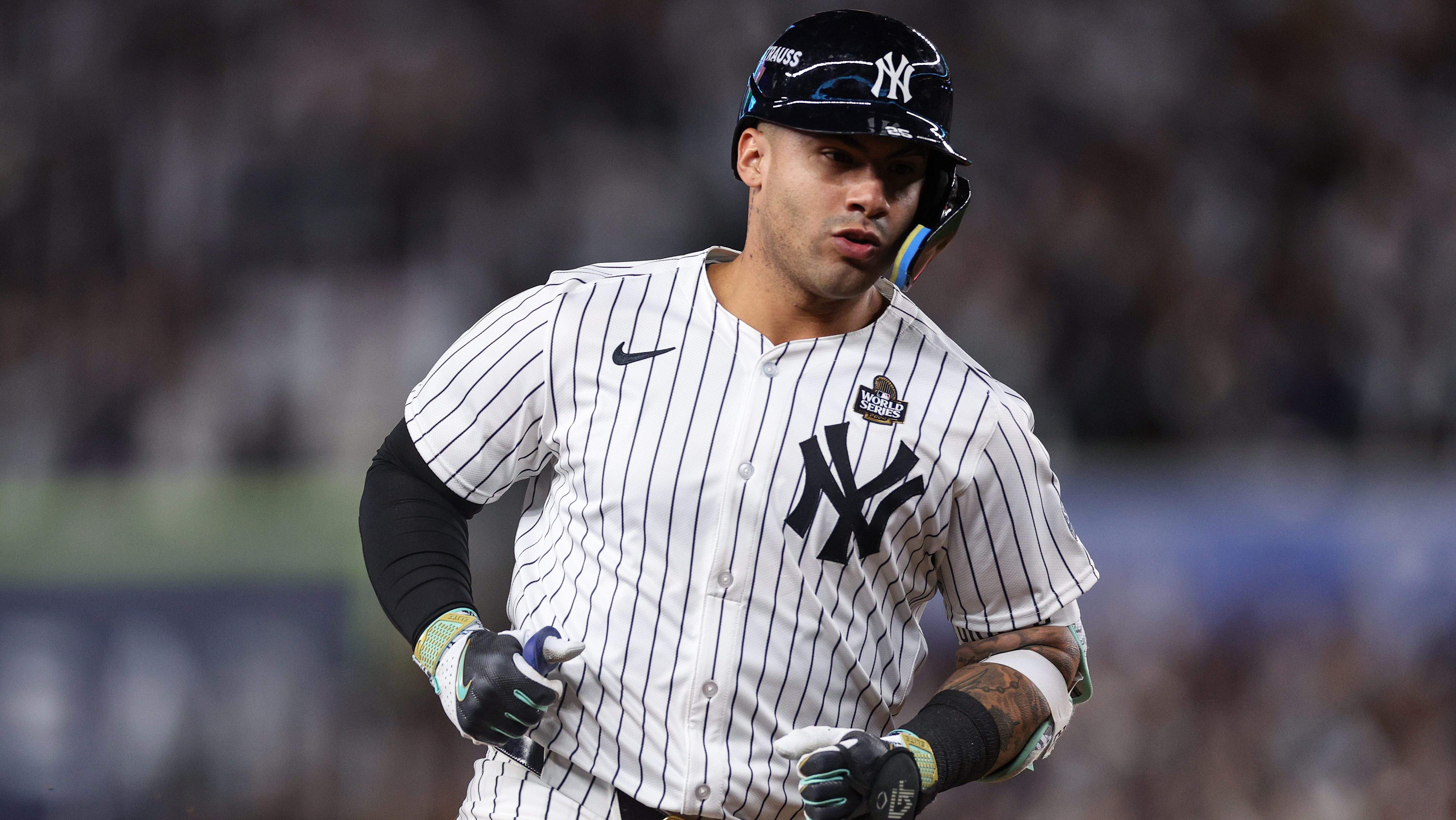
Trade proposals involving elite defenders shifting across the diamond always spark intense debate among baseball analysts and fans. When internal discussions or hypothetical packages link star corner infielders to major middle-infield vacancies, front offices have to weigh defensive metrics against offensive upside. Evaluating these blockbusters requires looking closely at player contracts, positional versatility, and the actual cost of talent in a competitive market.
The New York Yankees constantly search for ways to solidify their left side of the infield without draining their entire minor-league system. Analyzing a potential blockbuster proposal for a player like Matt Chapman means examining how elite third-base defense translates to other positions, how financial commitments impact team flexibility, and what a realistic return package looks like for the selling club.
Understanding the Infield Trade Dynamics
Constructing a major league trade proposal is a delicate balancing act between immediate major-league output and long-term prospect accumulation. Teams with championship aspirations must decide if paying a premium in young pitching and high-ceiling bats is worth the upgrade.
When rumors surface regarding a player moving off their natural position to fill a glaring roster hole, scouts look at several key factors. Arm strength, lateral range, and reaction time dictate whether an elite corner infielder can handle the demands of a premier middle-infield spot.
- Prospect Capital: Selling teams typically demand a mix of upper-minors pitching depth and controllable bats.
- Financial Flexibility: Major contracts require clubs to navigate luxury tax thresholds carefully while planning future extensions.
- Defensive Metrics: Outs Above Average (OAA) and defensive runs saved provide a baseline for projecting how a glove will play in a new role.
Evaluating the Player Profile and Contract Context
Matt Chapman has established himself as one of the premier defensive forces in Major League Baseball, earning multiple Gold Glove and Platinum Glove honors at third base. His ability to track balls in the gap, make strong throws from deep positions, and anchor an infield makes him a prized asset for any contending roster. Beyond his glove, his power bat adds significant punch to the middle or bottom of a batting order.
Contract status heavily influences how trade discussions unfold. Teams controlling a star player with multiple years remaining hold significant leverage, allowing them to command maximum value from buyers who view that player as a missing piece for a World Series run.
Official insights from organizations like MLB and analysis from outlets such as ESPN often highlight how these valuations shift depending on the trade deadline landscape or winter meetings momentum.
Analyzing the Proposed Package Components
A realistic trade proposal for a cornerstone player usually involves multiple moving parts designed to satisfy both sides. Rather than a simple one-for-one player swap, general managers construct multi-layered packages.
[Major League Contributor / Swing Starter]
       +
[Top 15 Organizational Pitching Prospect]
       +
[High-Upside Minor League Bat]
This structure gives the rebuilding club immediate major-league talent or near-ready depth while stocking their farm system with projectable arms. For the acquiring team, parting with depth pieces is the price of securing a proven veteran without disrupting the core Major League roster.
Common Pitfalls in Evaluating Blockbuster Rumors
Fans and analysts frequently miscalculate the likelihood of major trades by ignoring organizational constraints. Front offices rarely make moves in a vacuum; every decision impacts the luxury tax, future draft picks, and internal 40-man roster crunches.
Another frequent error is assuming a player can seamlessly switch positions without a transitional period. While elite athletes possess exceptional hand-eye coordination and instincts, shifting from the hot corner to the middle of the diamond demands a complete adjustment to double-play feeds, positioning, and footwork angles.
Frequently Asked Questions
What makes Matt Chapman a valuable trade target?
His combination of elite defense at third base and consistent power hitting makes him a high-impact player for any contender looking to shore up its infield.
Why would a team consider moving a third baseman to shortstop?
Front offices sometimes explore unconventional alignments if they believe a player's elite athleticism and arm strength can stabilize a defensive weakness in the middle of the infield.
How do teams determine prospect value in a blockbuster trade?
Evaluators balance the upside of minor leaguers, their proximity to the majors, and the selling team's specific organizational needs—such as pitching depth versus power bats.
What is the biggest challenge in executing a major trade during the season?
Balancing the immediate push for a championship with long-term financial commitments and preserving the minor-league pipeline is the primary hurdle for any front office.