Middle school marks a sudden shift in how students experience education. Classrooms change, workloads multiply, and expectations rise sharply from elementary school habits. If you're trying to master middle school grades, you're looking at a completely different academic environment than what you faced just a year ago.
To keep your grade point average strong and build habits that last through high school, you need more than just raw intelligence. You need structured systems for tracking assignments, studying for exams, and managing your time across multiple independent teachers. This guide breaks down the practical steps required to handle everything from complex math concepts to final exams without burning out.
Navigating the Middle School Shift
Sixth through eighth grade brings a massive structural change. Instead of one primary teacher keeping track of your progress, you now move between four to seven different classrooms daily. Each teacher has a distinct grading style, unique late-work policies, and separate online portals where assignments live.
Staying organized stops being something your parents handle for you. It becomes your daily job. When you don't write down homework or lose track of a worksheet, your grade drops immediately because middle school point values carry heavier weight.
Setting Up Your Command Center
Success starts with your physical and digital workspace. Clutter destroys middle school GPAs.
- Use a color-coded folder and notebook system for each subject so papers never mix together.
- Check your school's online grade portal every Sunday evening to spot missing assignments before they turn into permanent zeros.
- Keep your backpack cleared out every Friday afternoon so old permission slips and crumpled tests don't swallow your current homework.
Conquering Challenging Subjects
Grades often dip in middle school because concepts stop being purely memorization-based and start requiring application. Math moves from basic arithmetic into fractions, ratios, and early algebra. Science shifts from fun experiments to heavy vocabulary and lab reports.
When you hit a concept that doesn't make sense right away, waiting until the night before the test guarantees a poor grade. You have to tackle confusion immediately.
Fixing Math Struggles Early
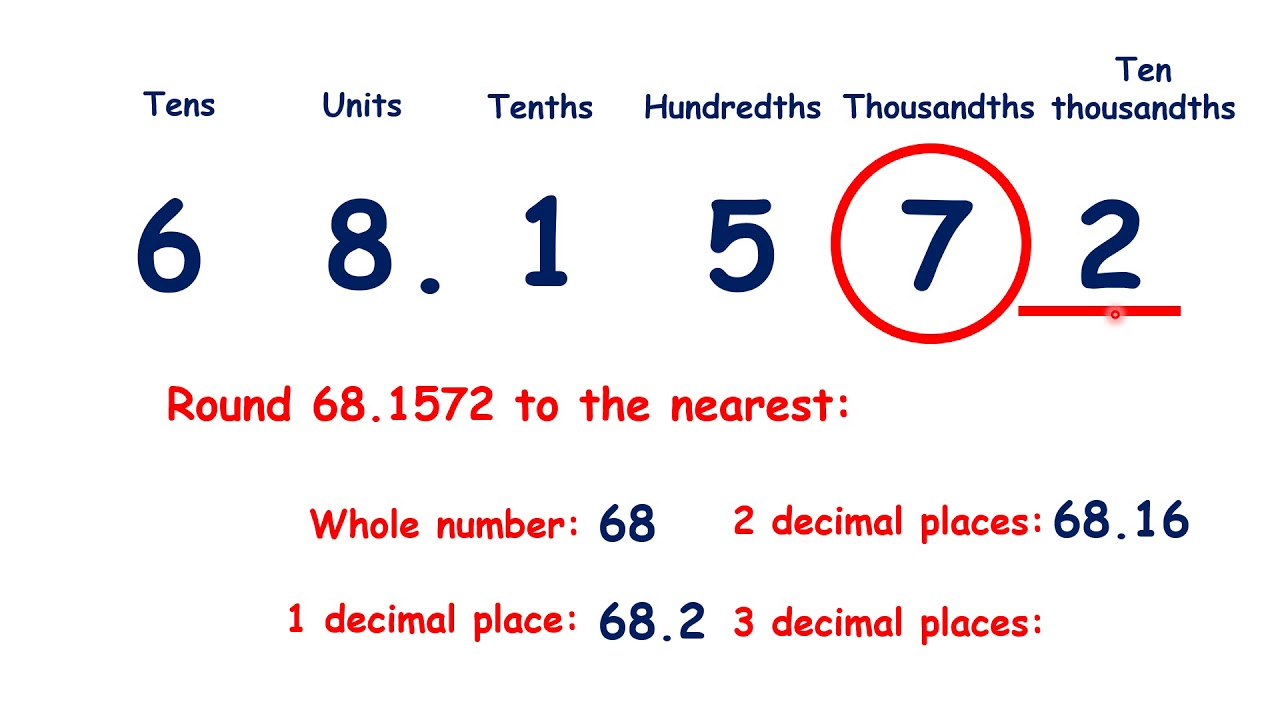
Math builds like a brick wall. If you miss a brick in the foundation, the whole structure wobbles. Fractions, decimals, and negative numbers form the core of middle school math. If you're struggling with them, spending an extra twenty minutes reviewing foundational rules changes everything.
- Write out every single step of a math problem on scratch paper instead of trying to do it in your head.
- Keep a running list of formulas inside the front cover of your math notebook for quick reference.
- Use free, reliable educational resources like Khan Academy to re-watch explanations of specific concepts your teacher covered in class.
Reading and Writing for Higher Scores
Middle school writing requires a clear thesis, supporting evidence, and logical transitions. Teachers stop grading essays purely on effort and start grading strictly on structure and grammar.
- Read your essay out loud to yourself before submitting it. Your ear catches awkward phrasing and missing words much faster than your eyes do.
- Outline your paragraphs on a scratch piece of paper before typing a single sentence.
- Check grammar and style rules through resources provided by educational platforms like the Purdue OWL to ensure your formatting matches teacher expectations.
Mastering Tests and Finals
Final exams and midterms terrify many middle schoolers because they cover months of accumulated learning. Cramming the night before a final exam creates panic and ruins your memory recall. Real mastery requires spaced repetition.
The Spaced Study Schedule
Instead of studying for four hours on a Thursday night, study for forty minutes each night from Monday through Thursday. Your brain needs time to move short-term facts into long-term memory structures.
- Turn your textbook headings into questions and write the answers out by hand.
- Create flashcards for key vocabulary terms, but test yourself out of order rather than front-to-back.
- Form a study group with two focused classmates to quiz each other on tricky historical dates or science definitions.
Daily Habits of Top Students
Grades don't reflect how smart you are; they reflect your daily execution. Students who earn straight A's aren't necessarily geniuses. They follow predictable routines that eliminate last-minute chaos.
- Write down every homework assignment in a physical planner or phone app the exact moment the teacher assigns it.
- Turn off your phone and put it in another room while doing homework to eliminate fragmented attention spans.
- Talk to your teachers during their office hours or after class the moment you feel confused about a grade or an upcoming project.
Frequently Asked Questions
What should I do if my grade drops suddenly in a class?
Talk to your teacher immediately. Ask specifically if there is an opportunity to correct a low test score or turn in late work for partial credit. Teachers respect students who take initiative to fix their own mistakes.
How many hours a night should I spend on homework?
Most middle schoolers need between 45 to 90 minutes of focused homework nightly. If you're spending three hours every night, your study methods might be inefficient, or distractions might be dragging out your timeline.
Are middle school grades important for college?
Colleges don't look at middle school grades on your final transcripts. However, the study habits, organizational skills, and foundational knowledge you build right now directly determine your success in high school AP classes, which colleges do track.
How do I handle group projects when my partners don't work?
Divide the project sections clearly on day one and put everyone's name on their specific tasks. If a partner ghosts the assignment, document your individual contributions and speak to your teacher privately before the final deadline arrives.



